The Flock
Hatch dates, names, and lineage. The breeding-program record for Farm 2026 — what came out of an egg, when, and from whom.
Hatches 2026 →per-chick records · phenotype log · predictionsBanding →leg-band ID system · assignments · roster
The Ornitharchs · 11 hatched on the farm · 2026
The Ornitharchs
Ornitharch is what we call any bird that hatched here, on the farm, in our incubators, from our flock's eggs — 11 of them this year, across four clutches, most out of blue eggs and blue-eyed at hatch; with a little luck, the pullets among them will lay blue eggs of their own next spring.
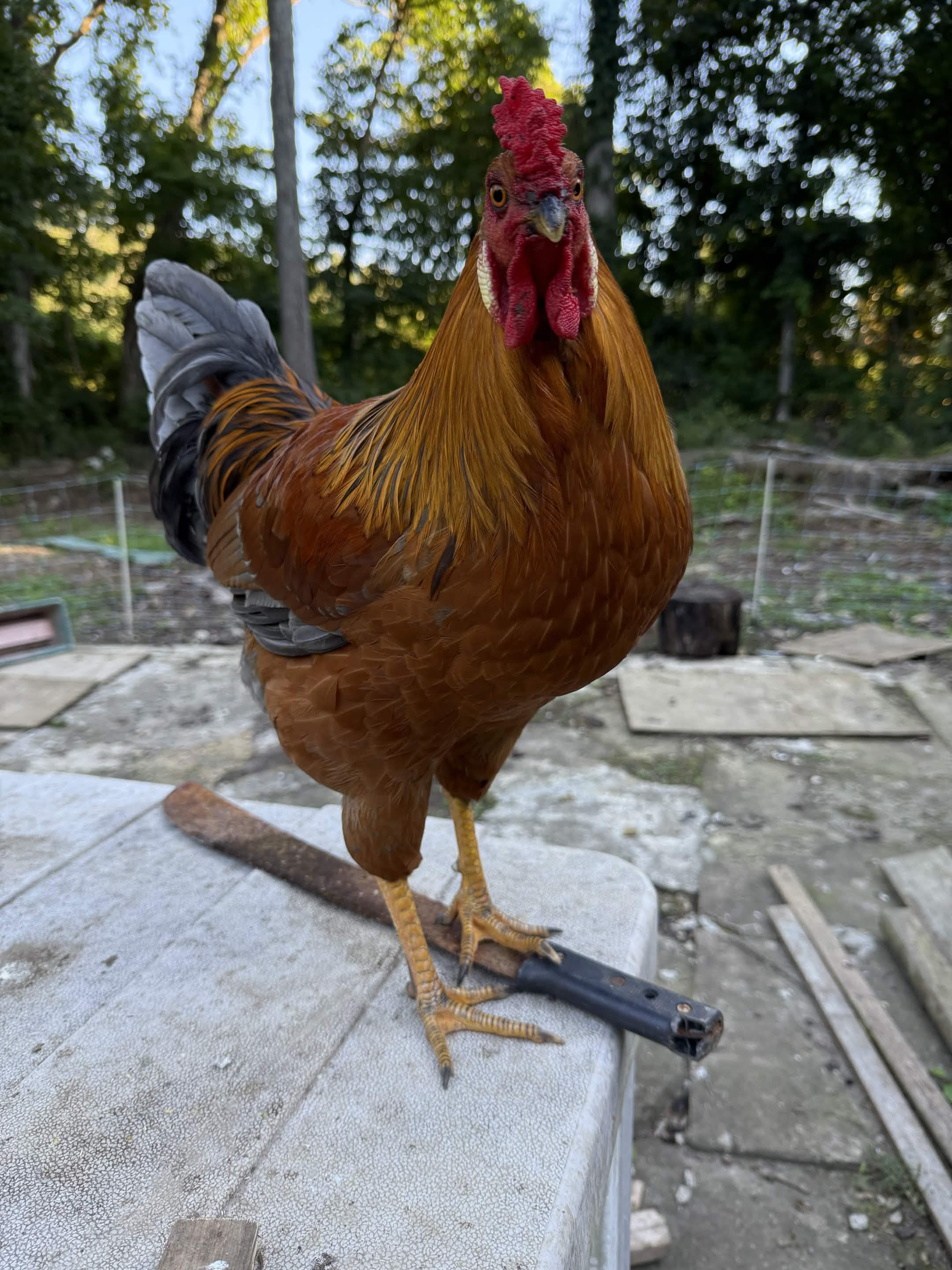 5 months
Birddor
fka BirdadetteGrowth

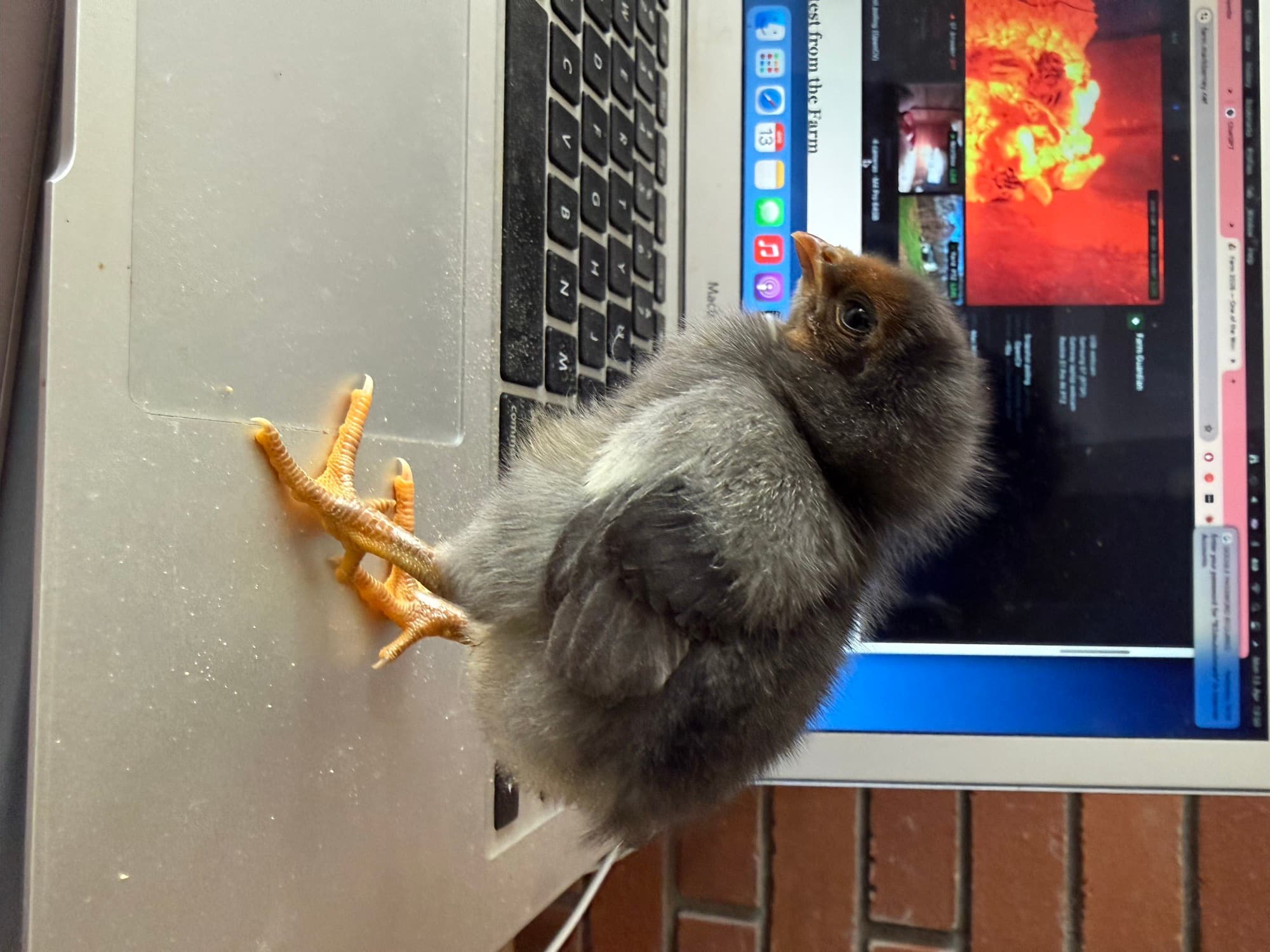
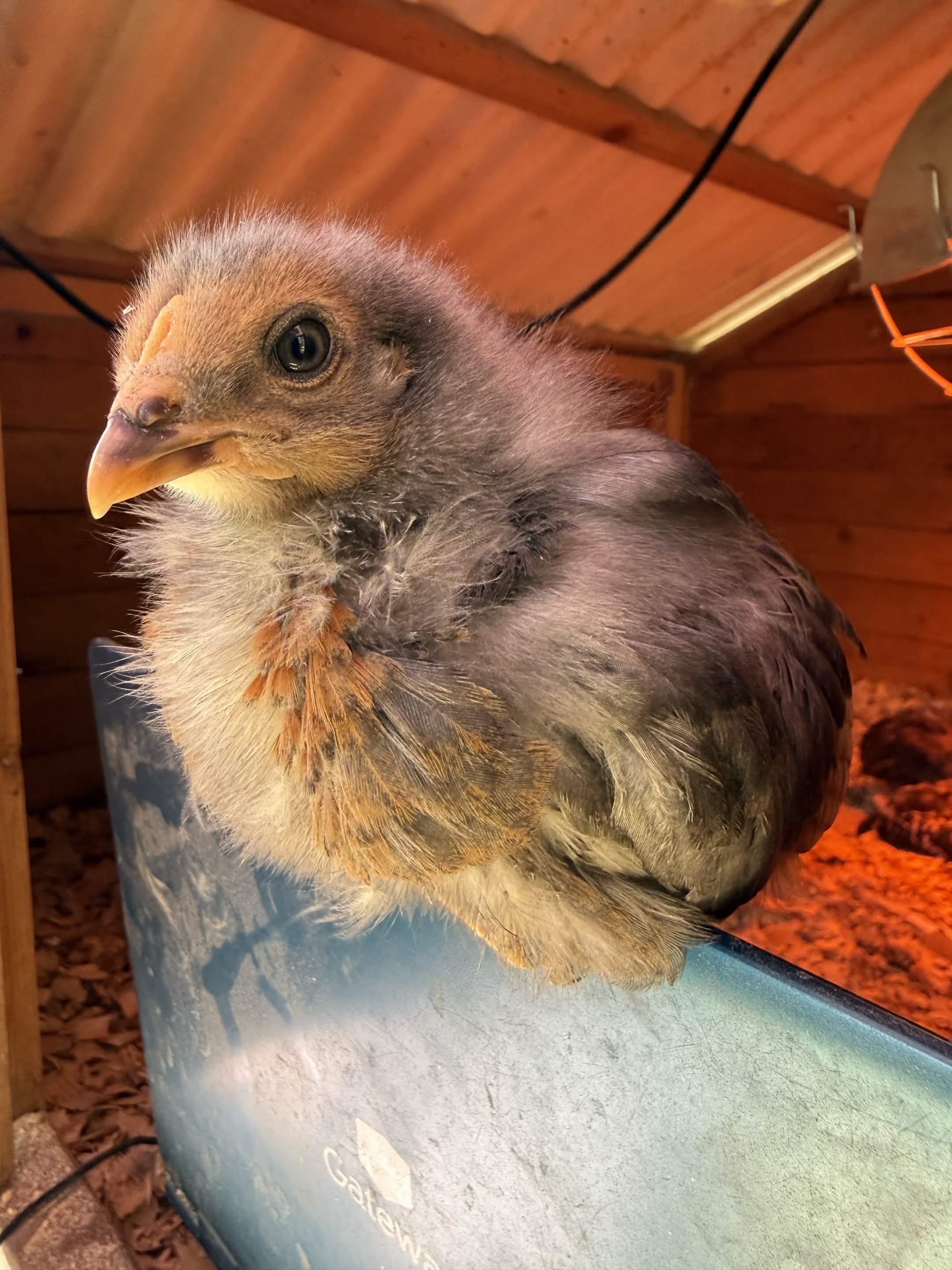
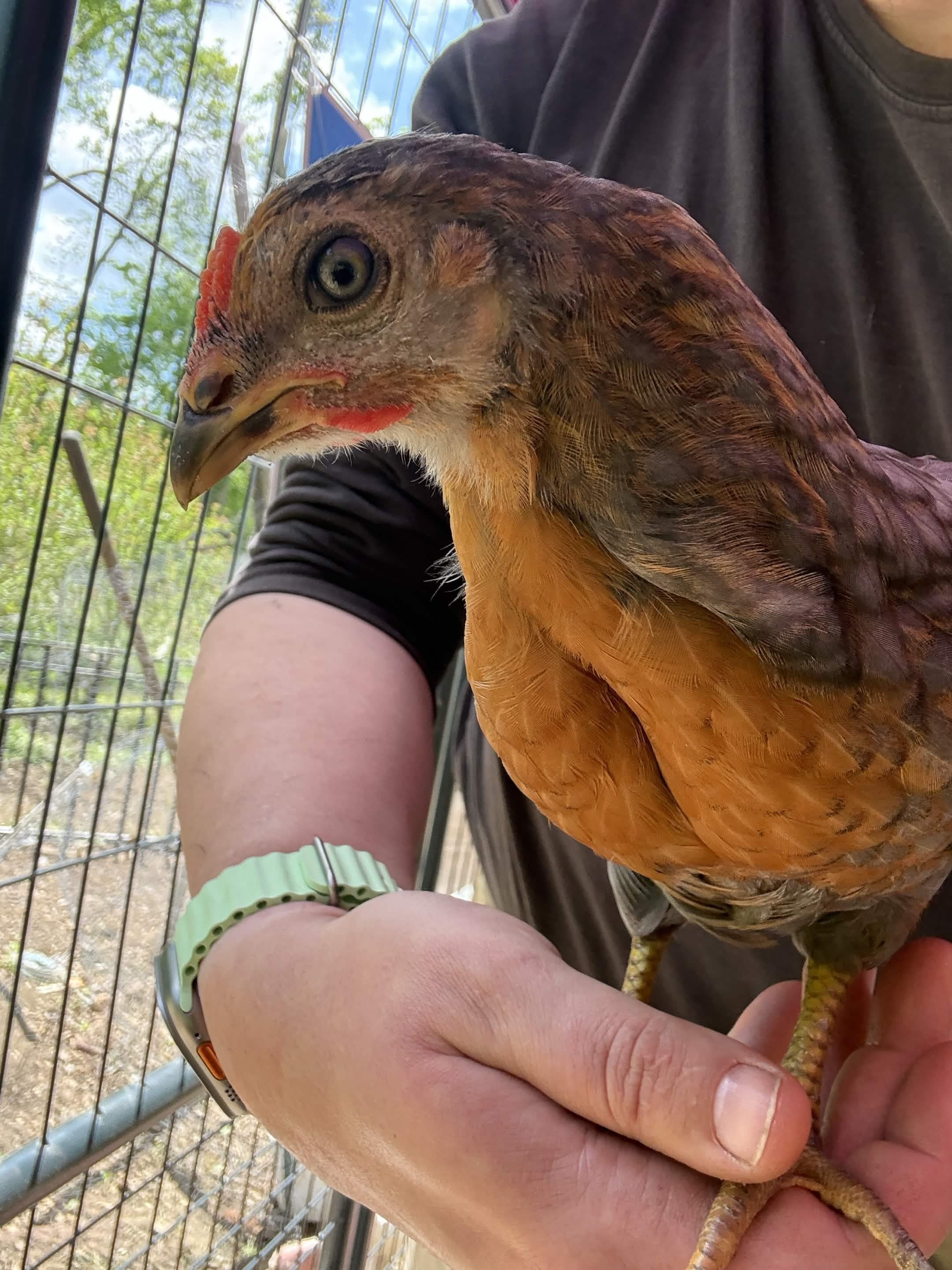
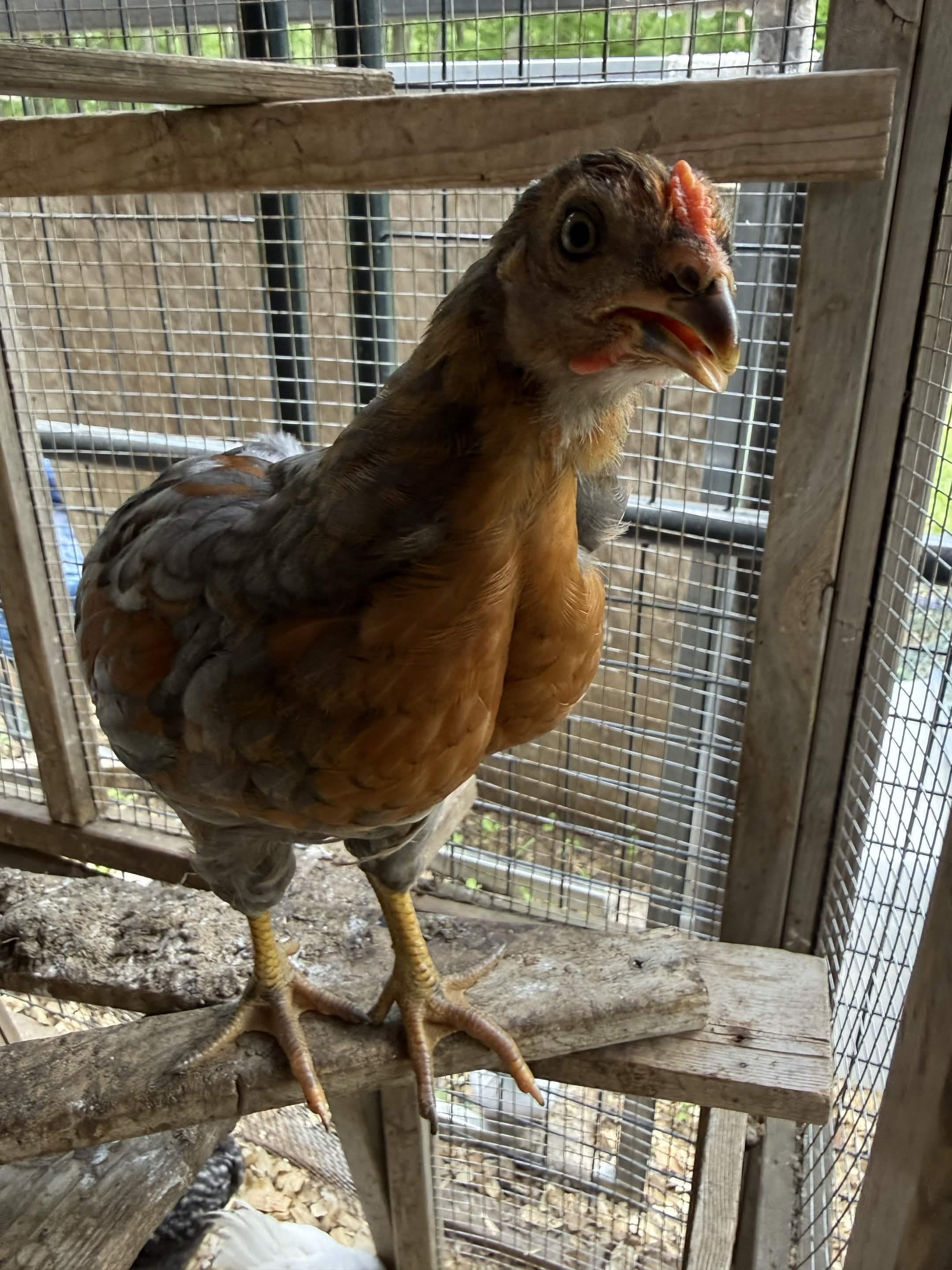
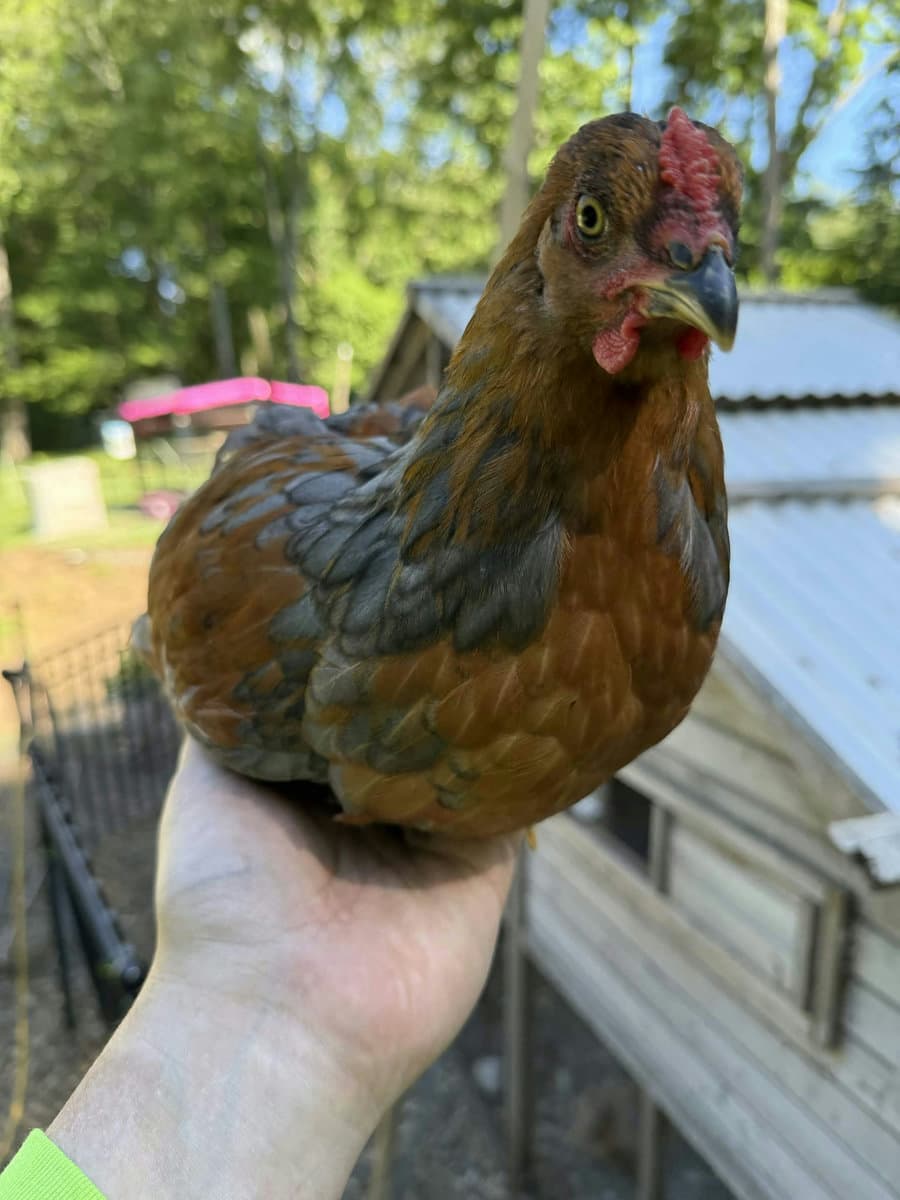
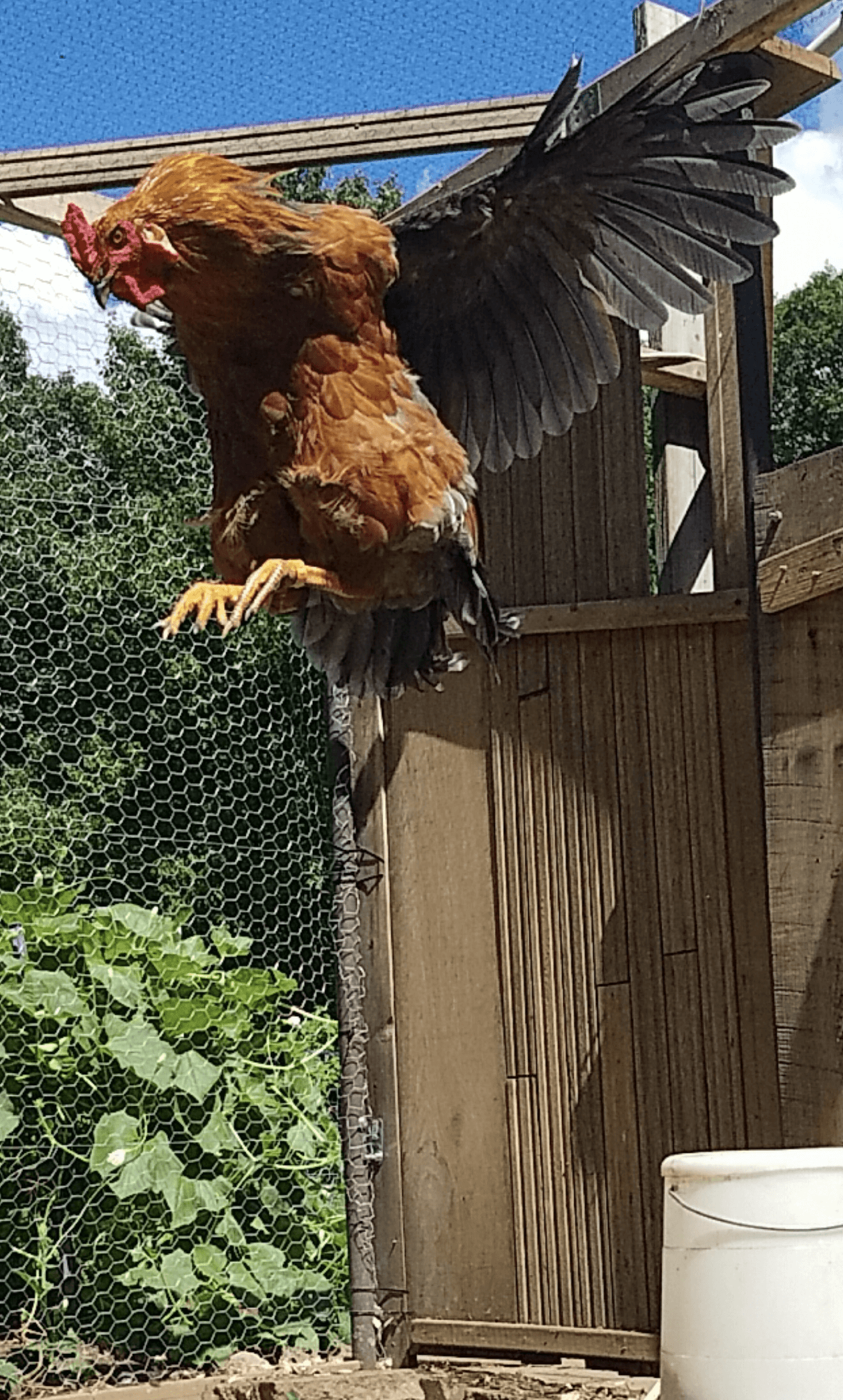
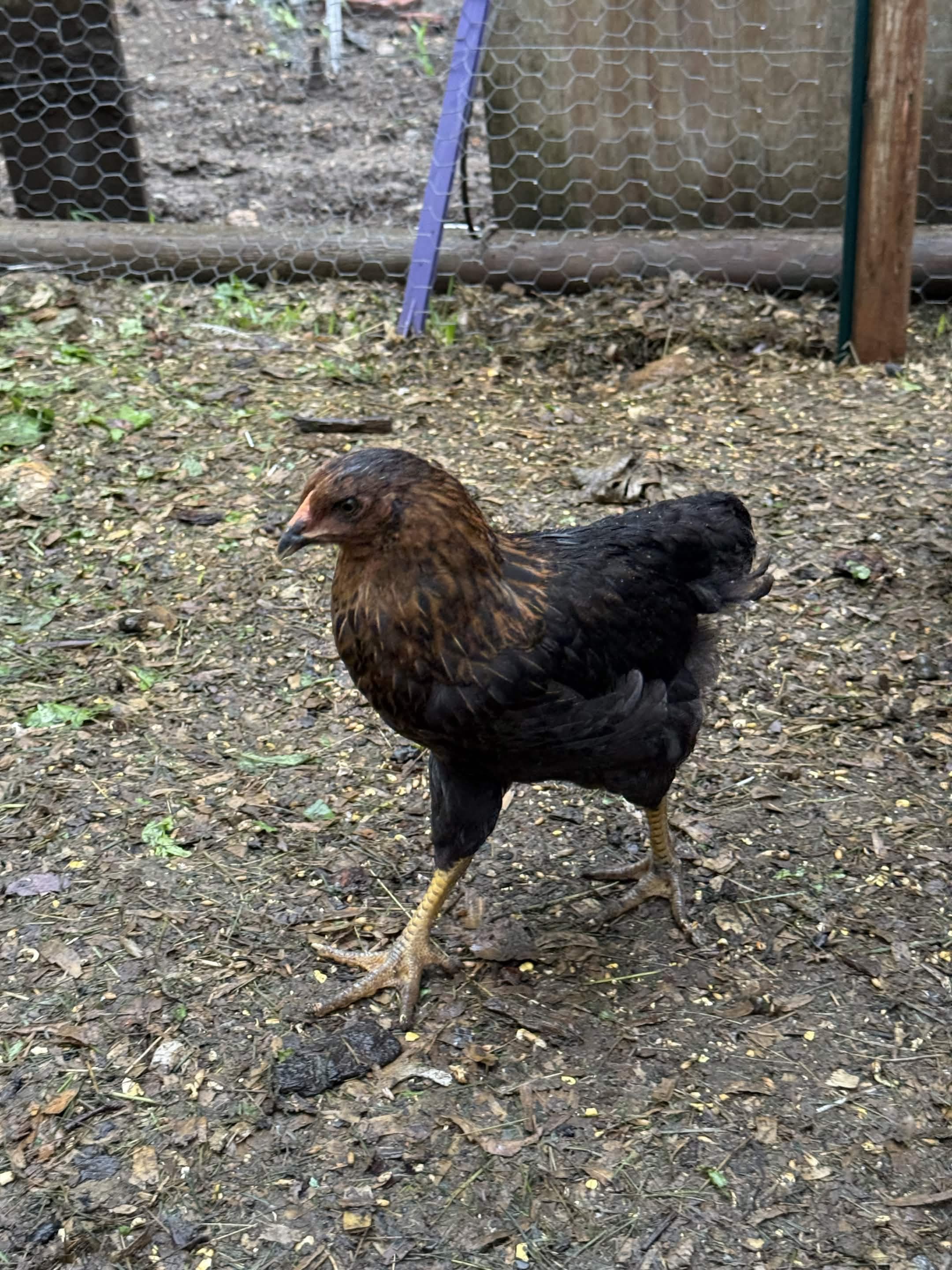 4 months
Growth
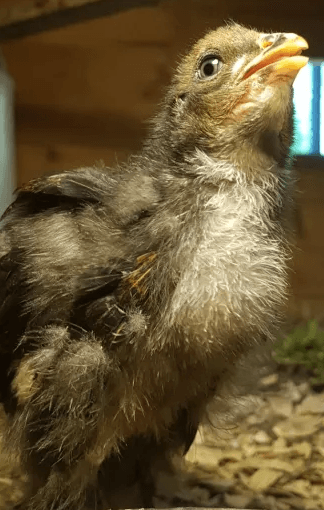
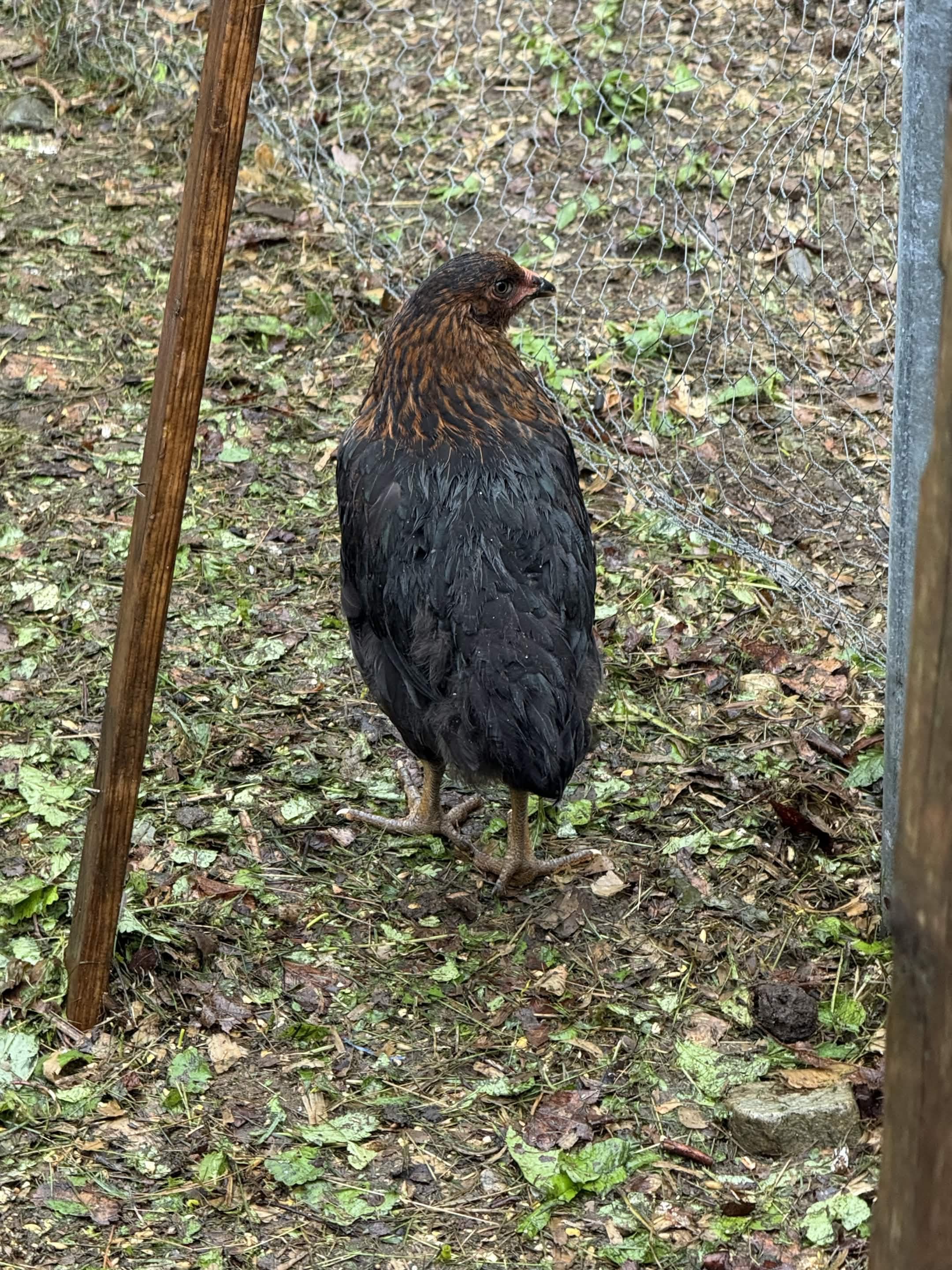
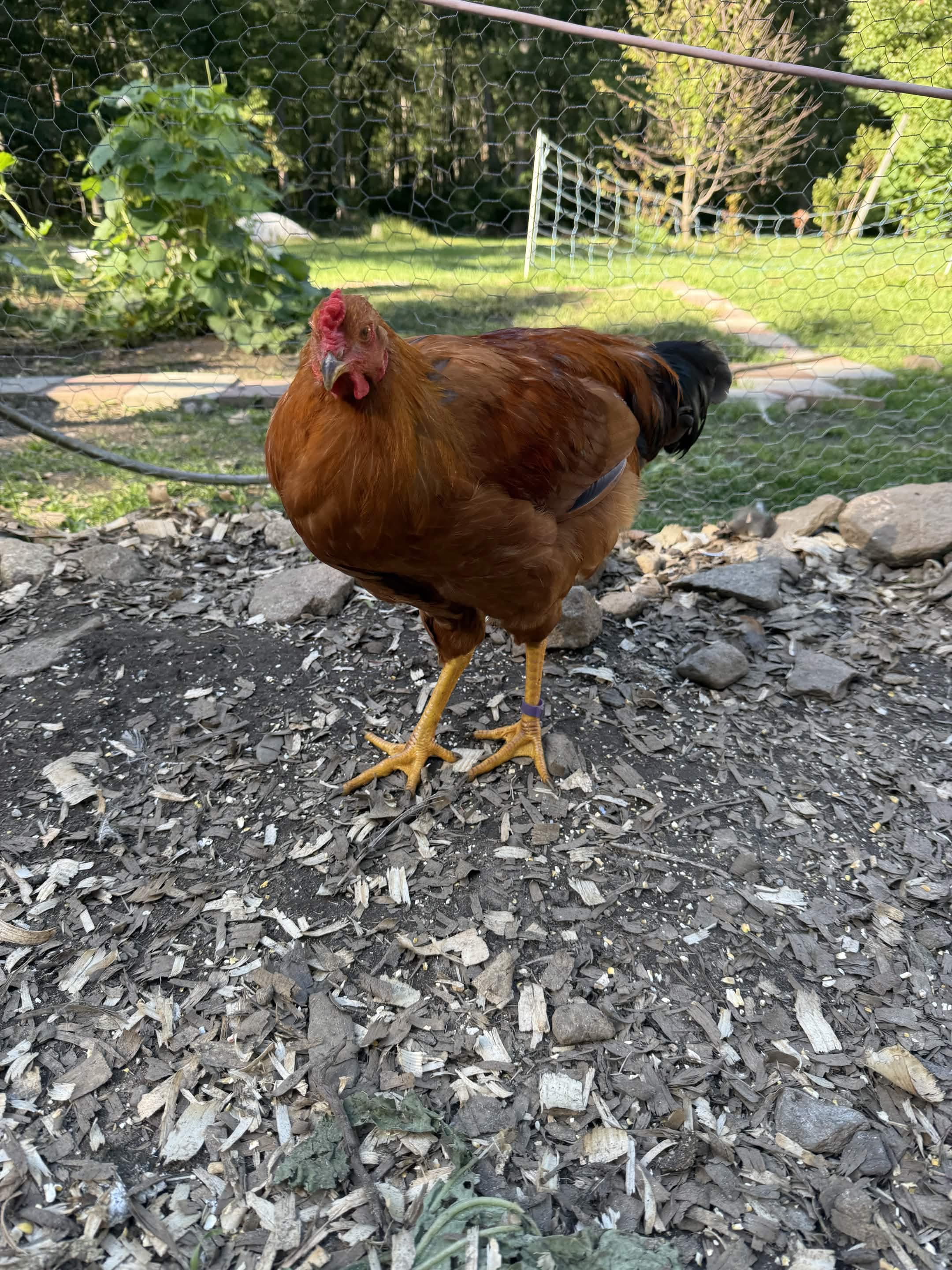 4 months
Growth
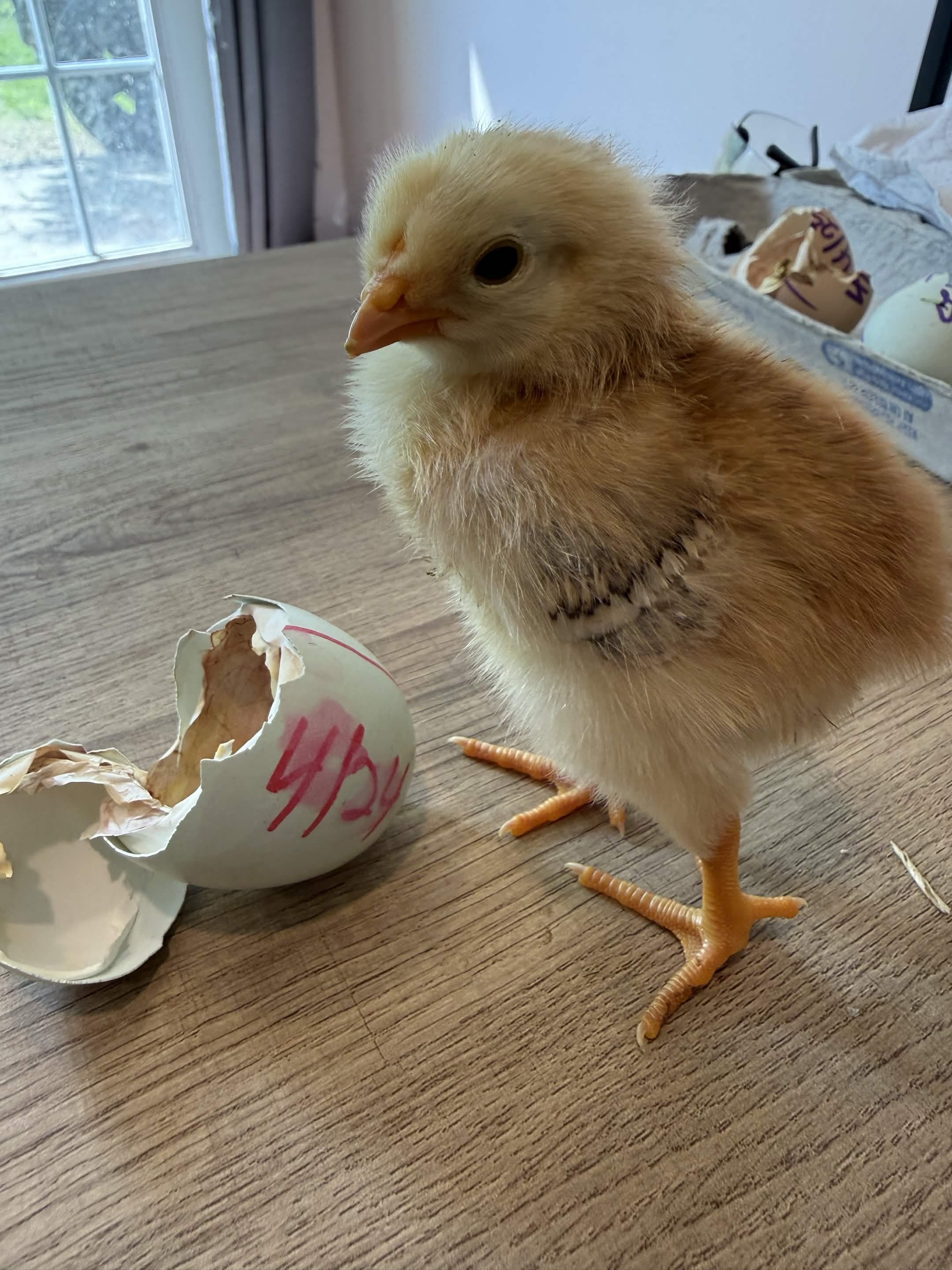
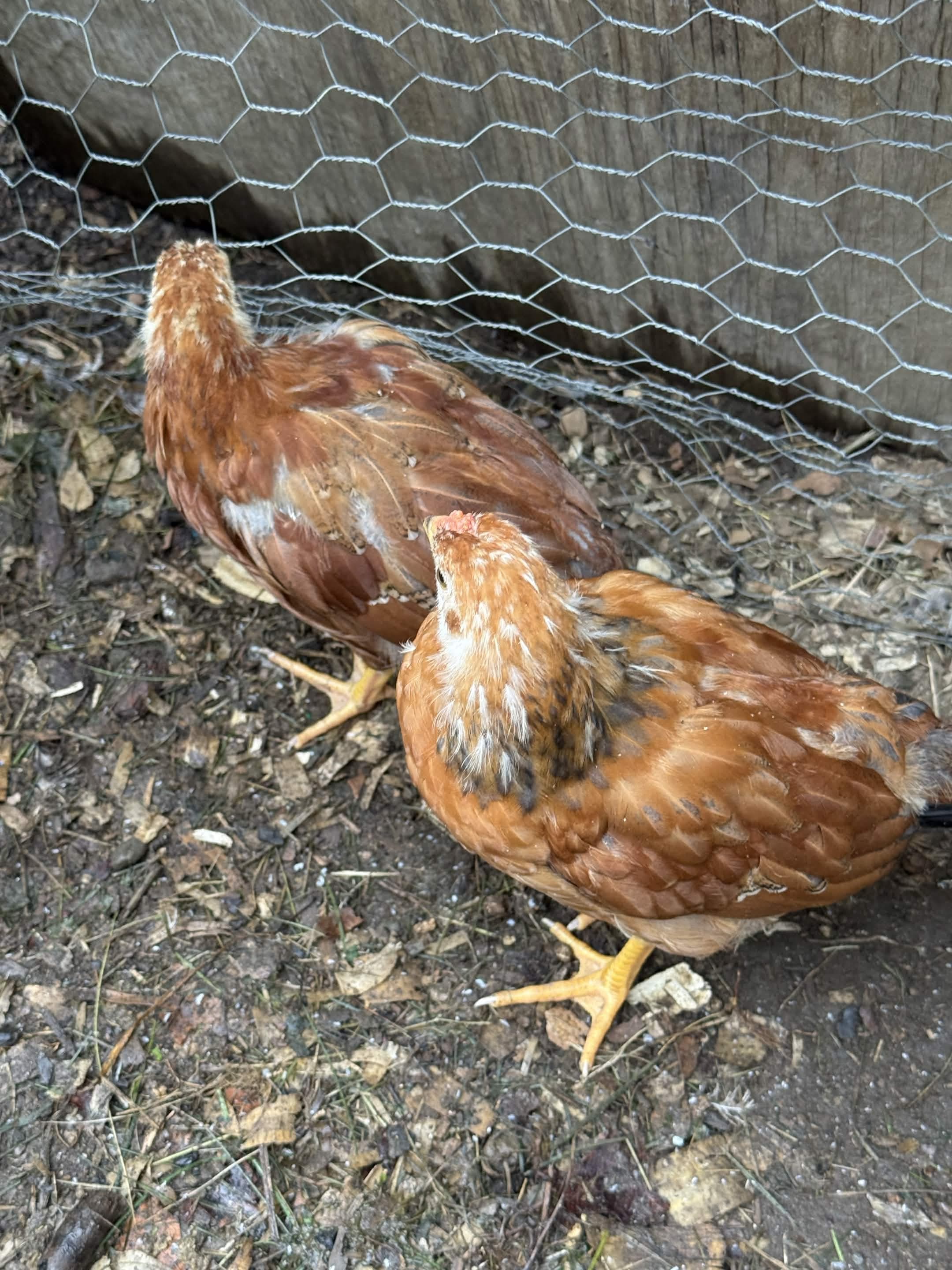
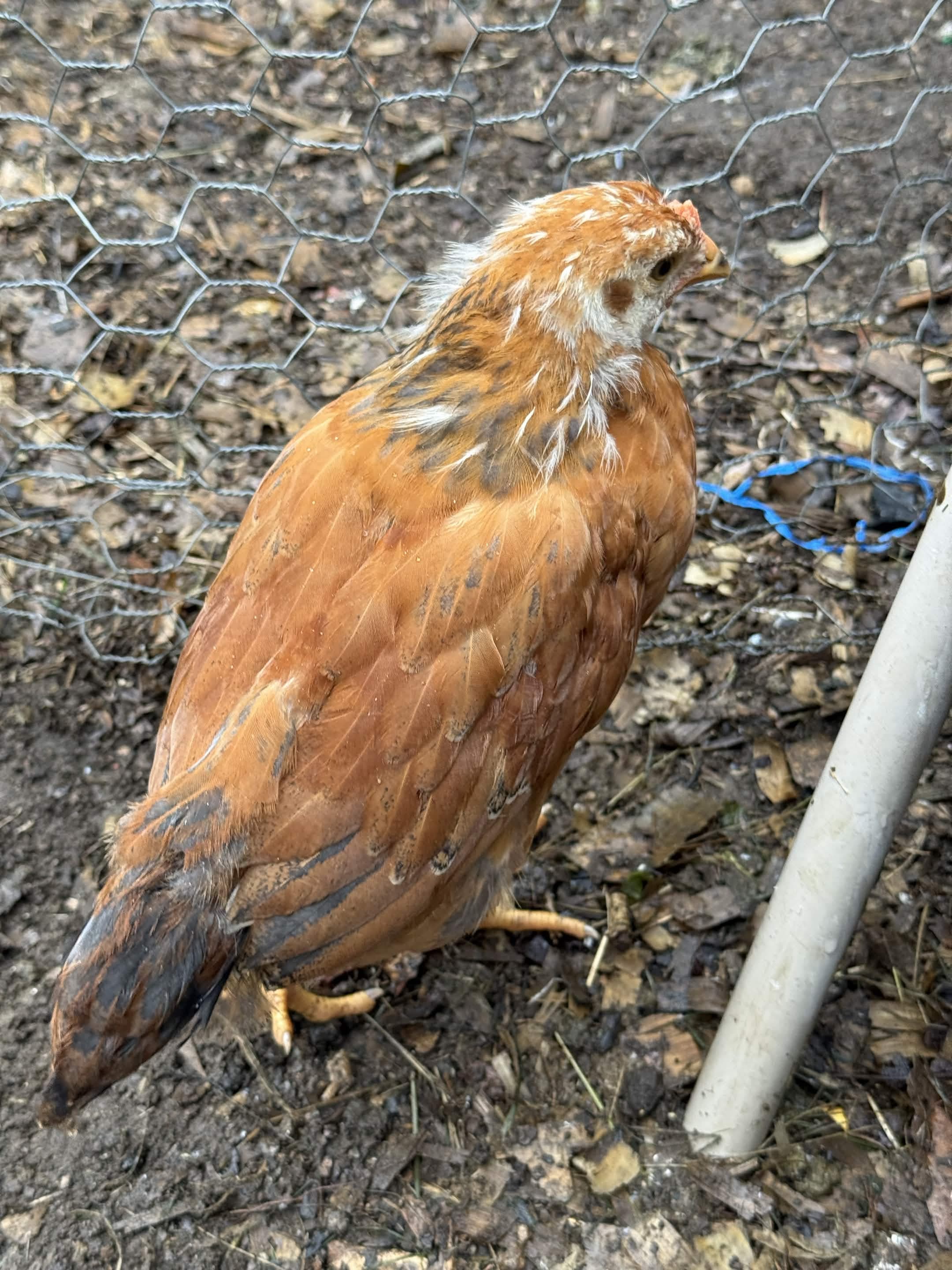
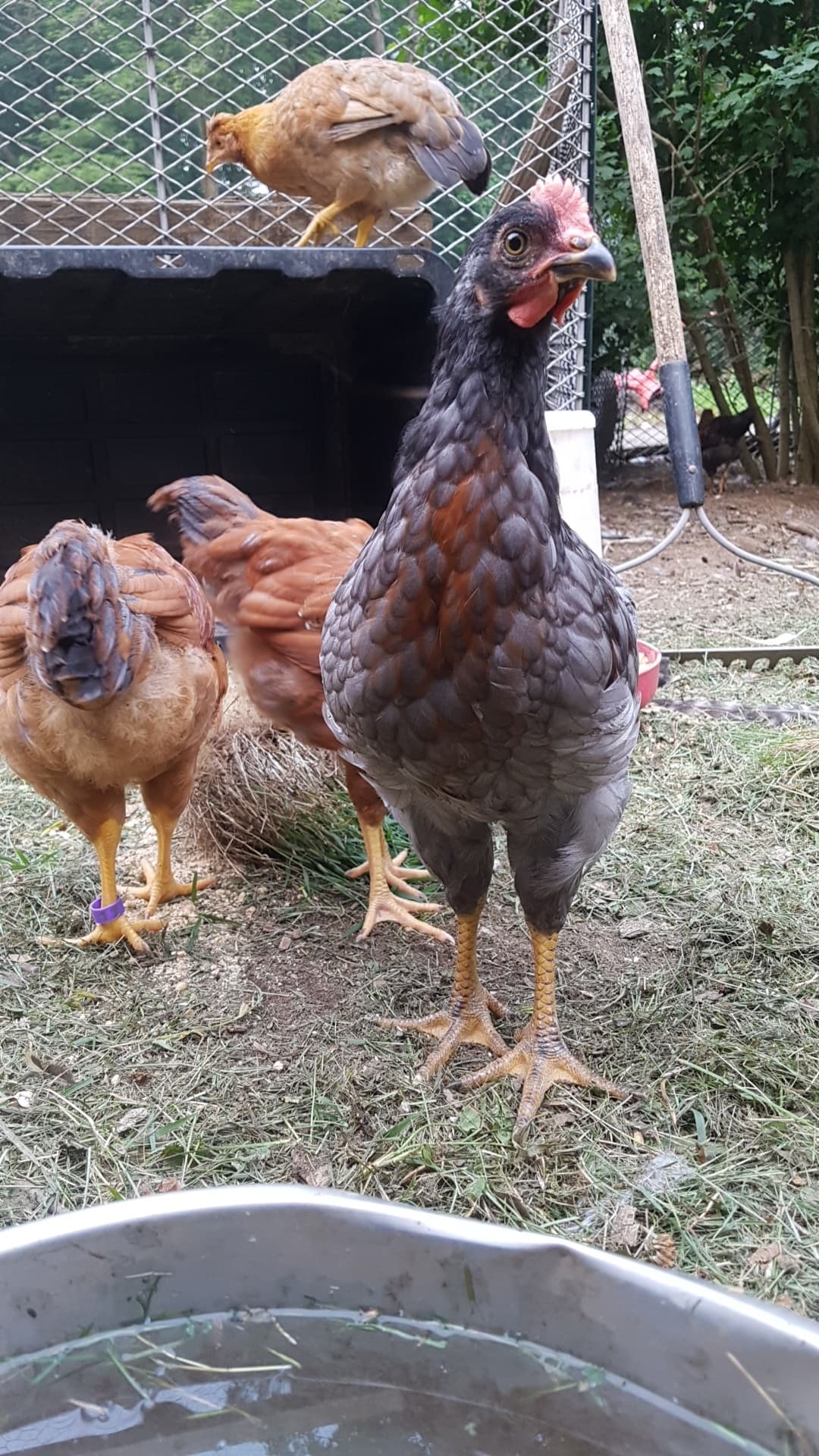
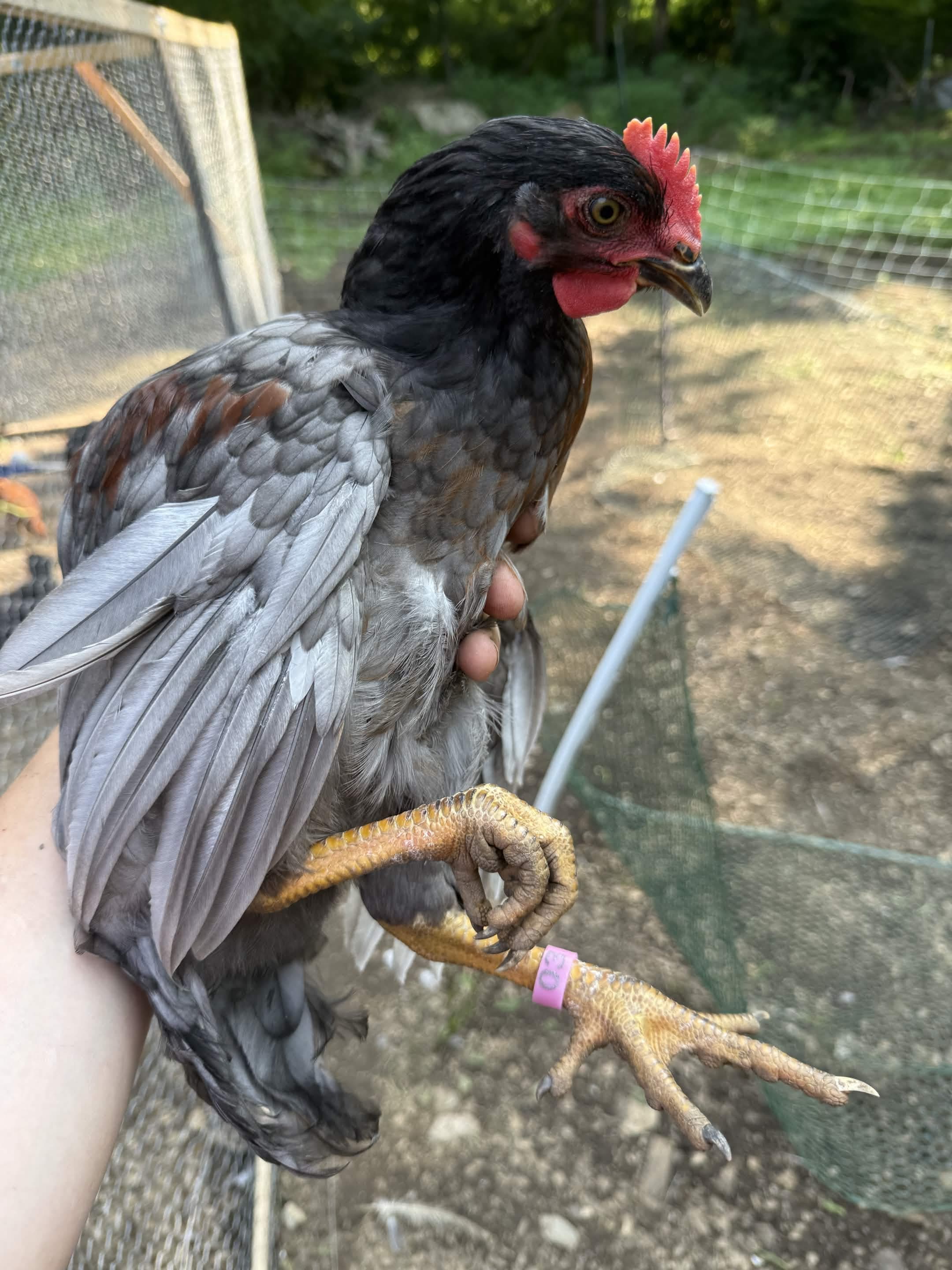 4 monthsHenrietta line
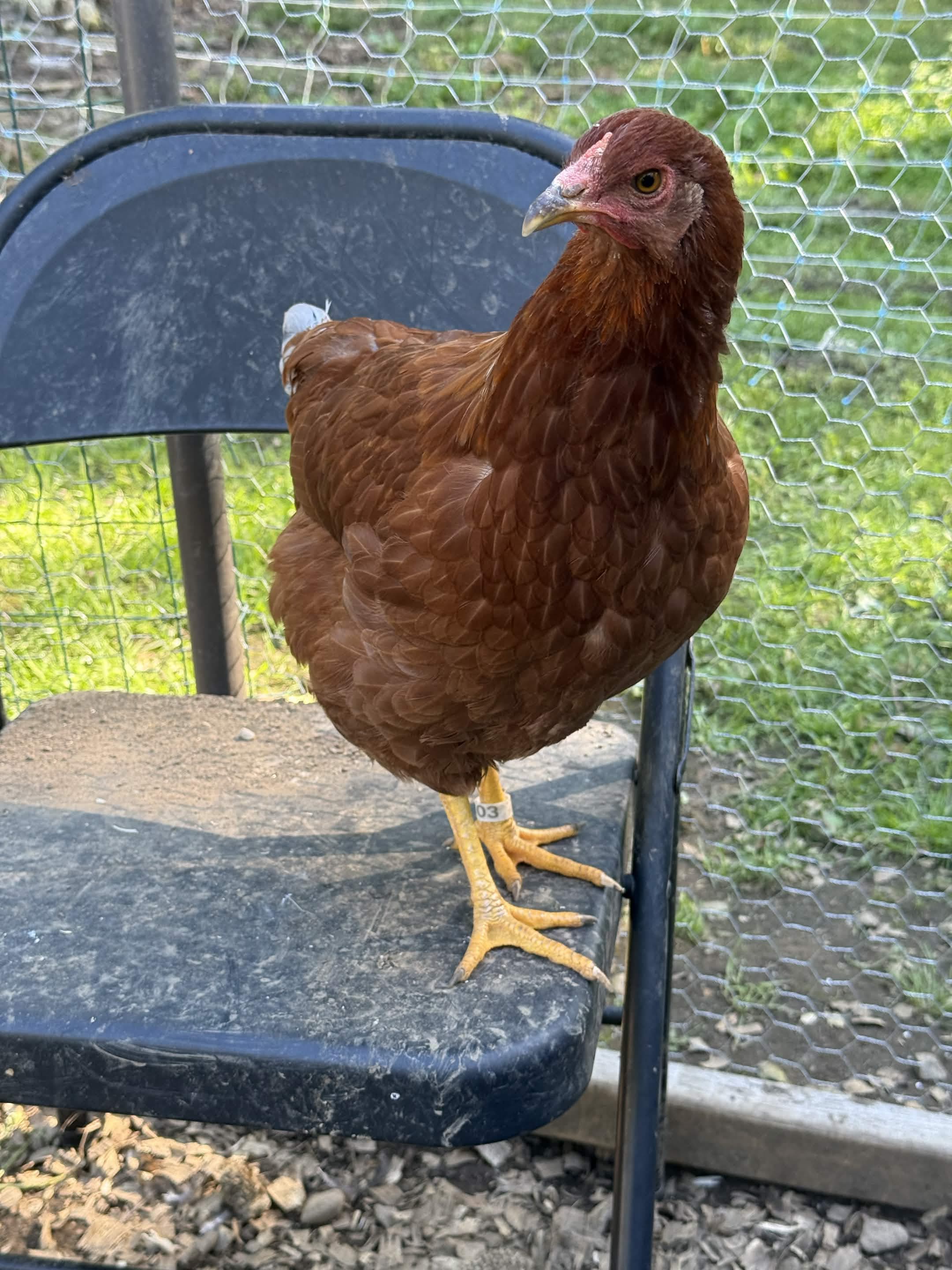
Henriello
fka HenriellaGrowth
 4 months
Growth
 3 months
Growth
 3 months
Growth
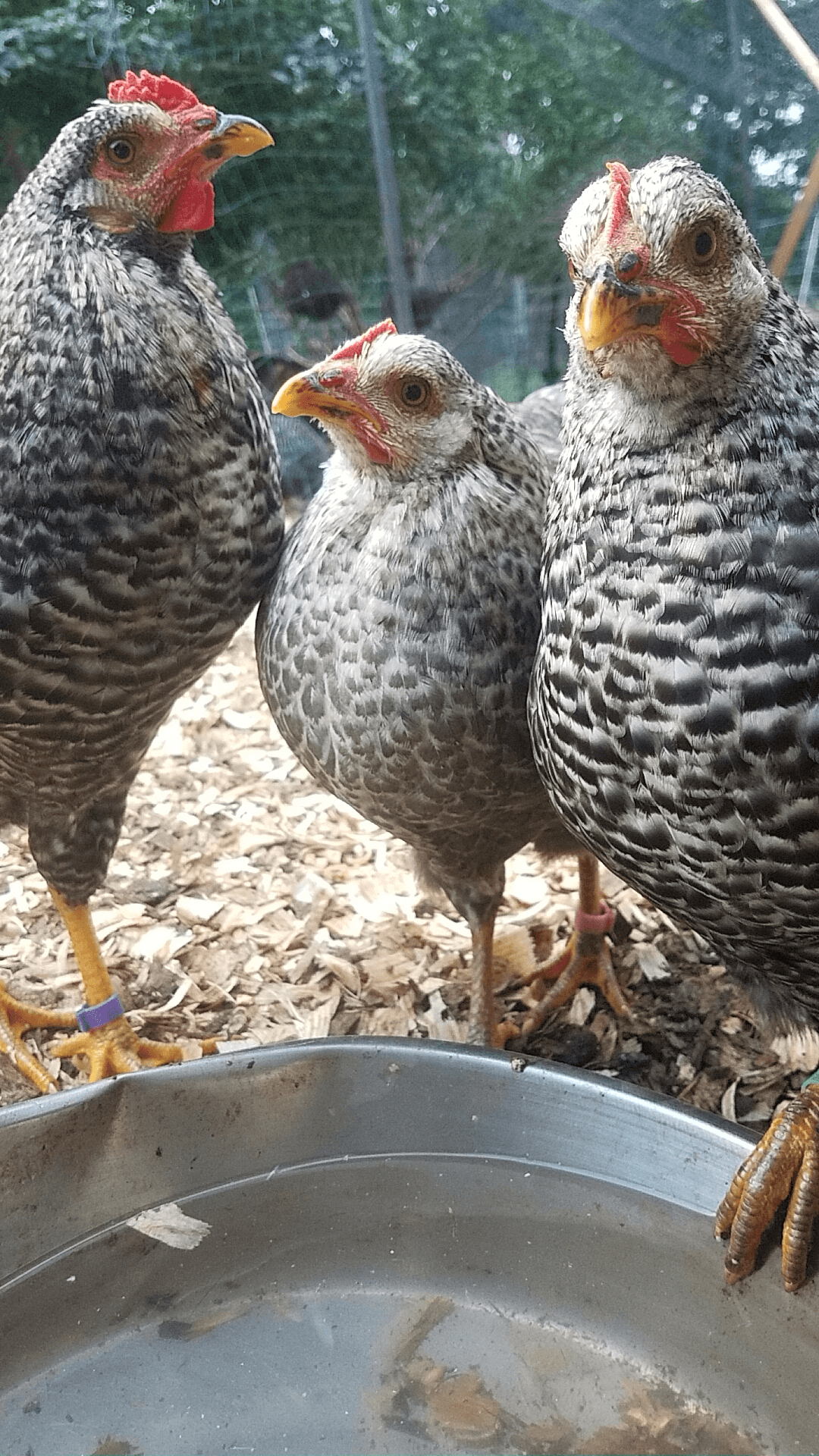
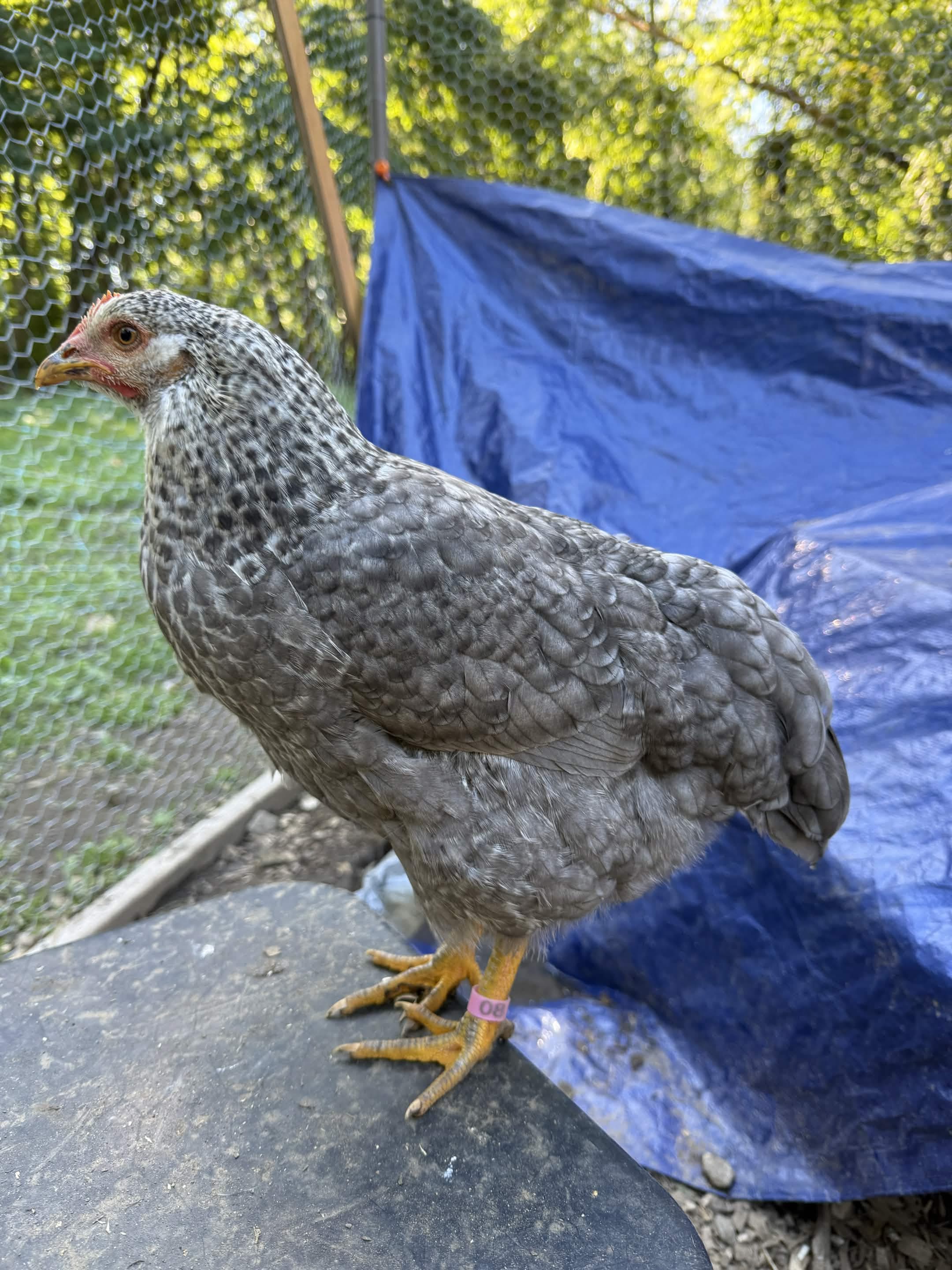 3 monthsHenrietta line
Growth
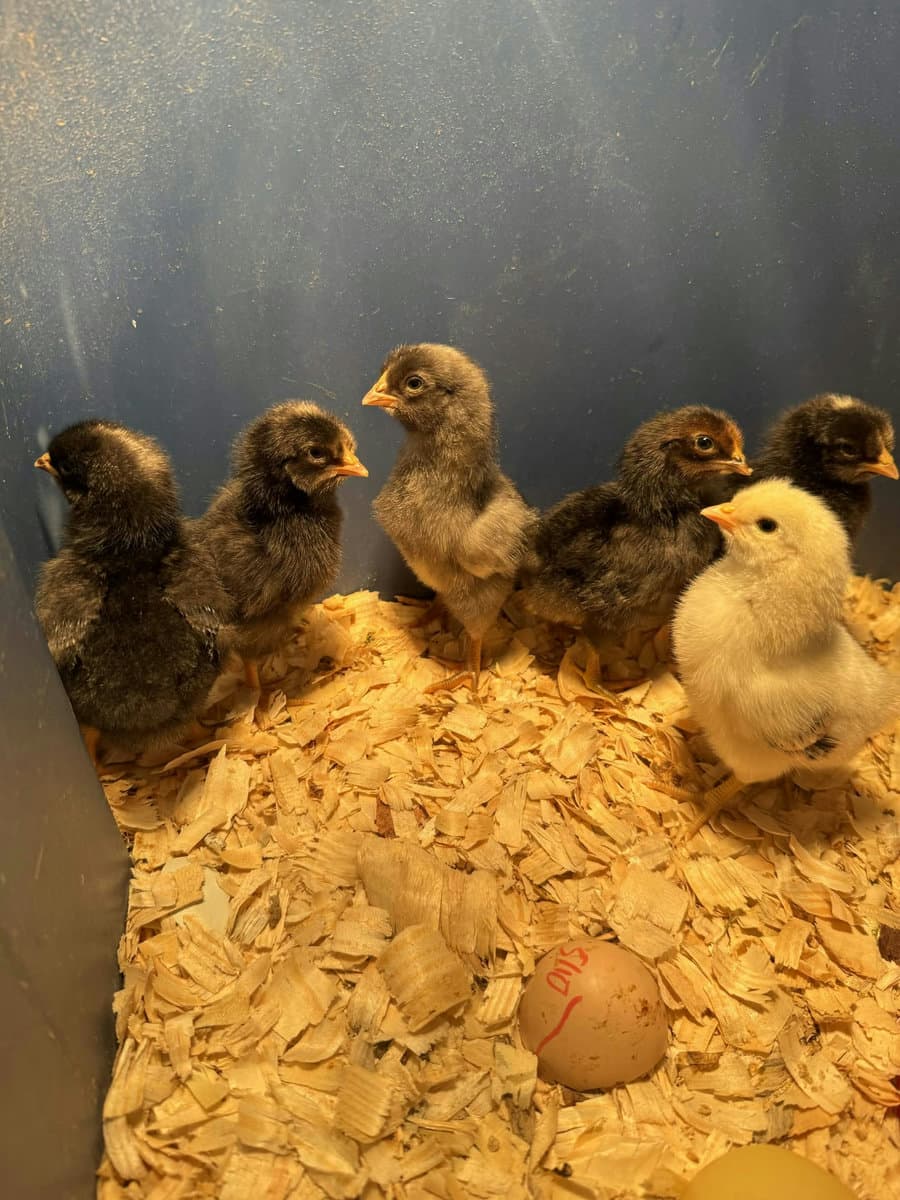
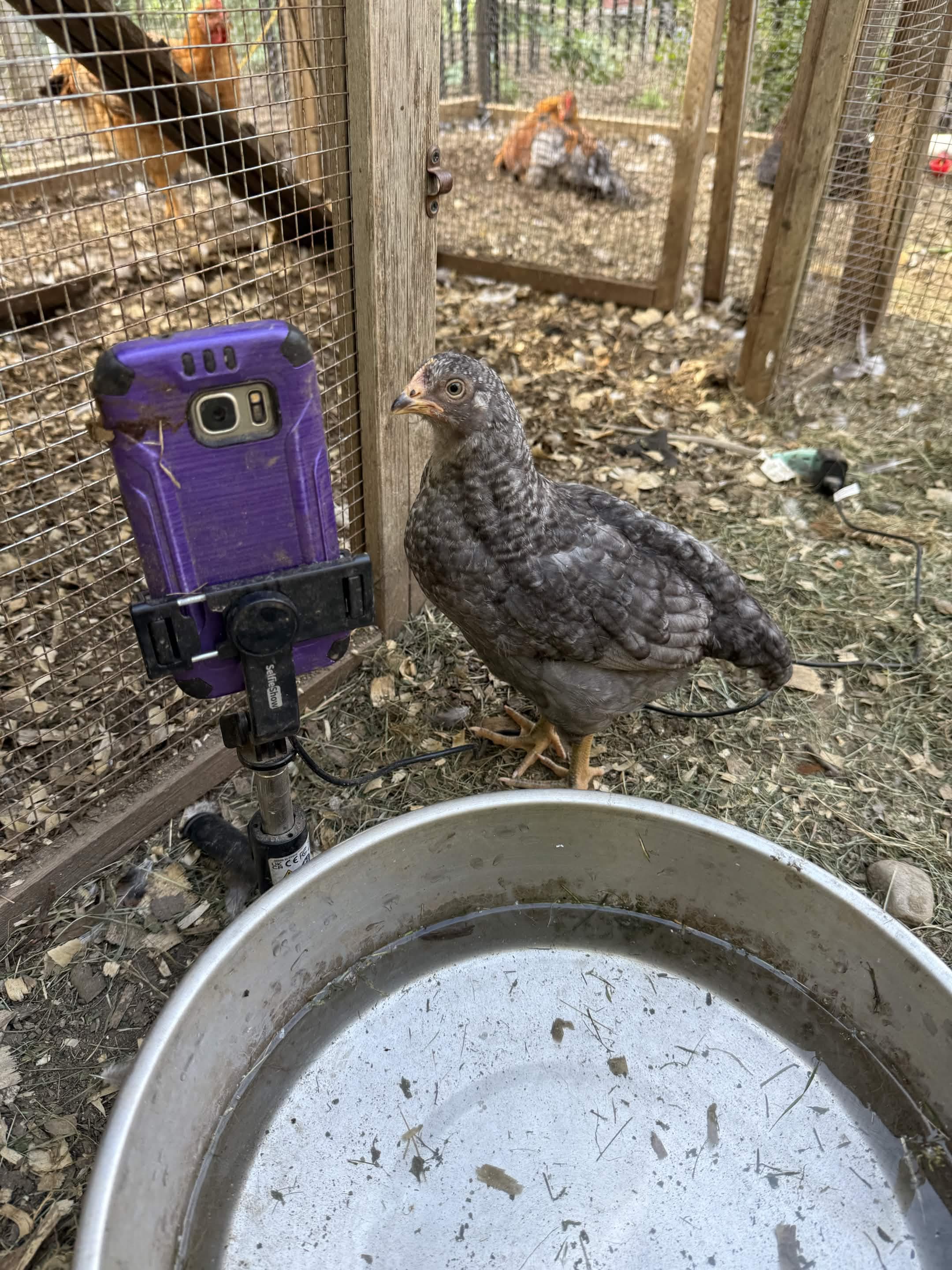
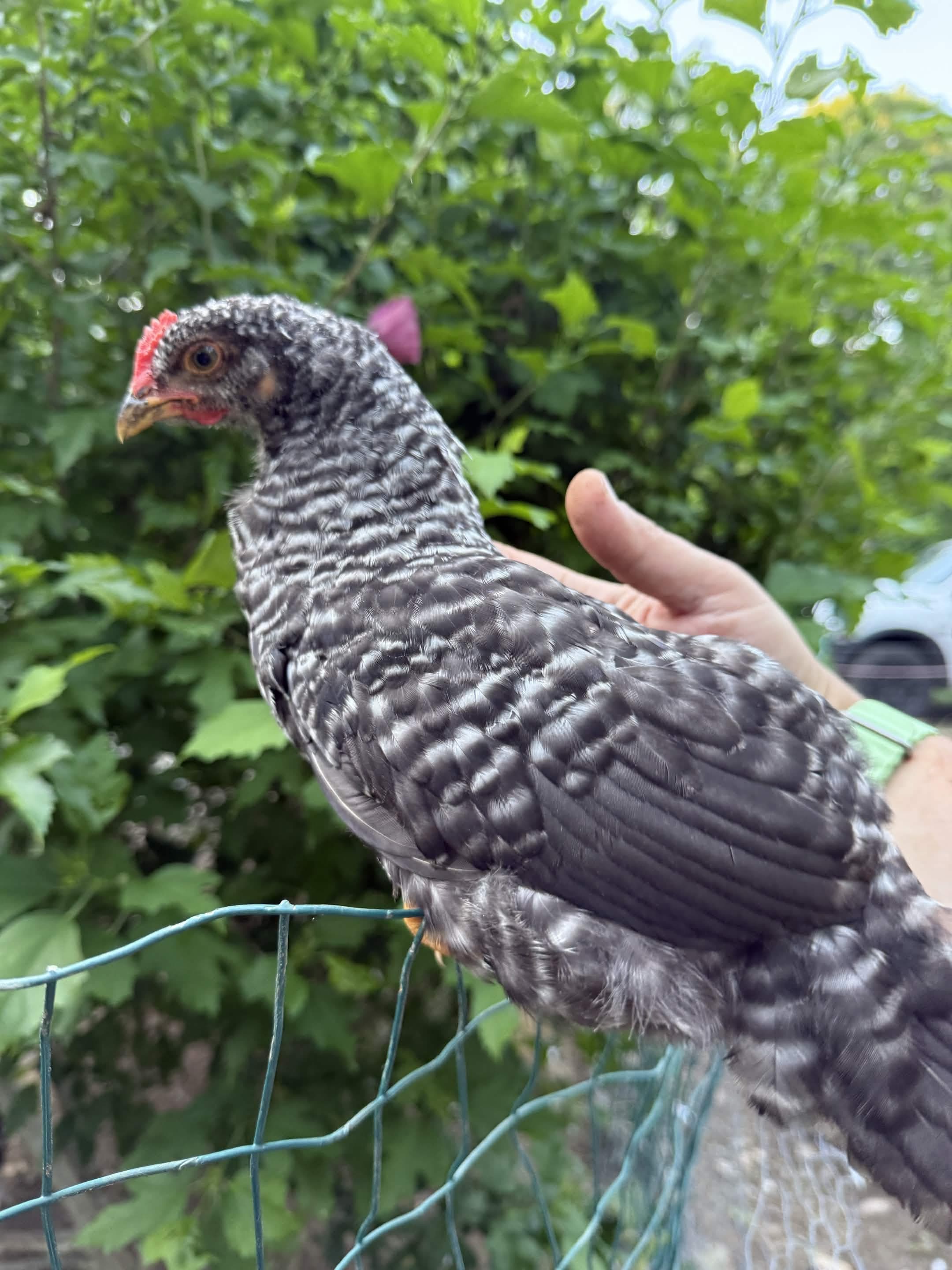
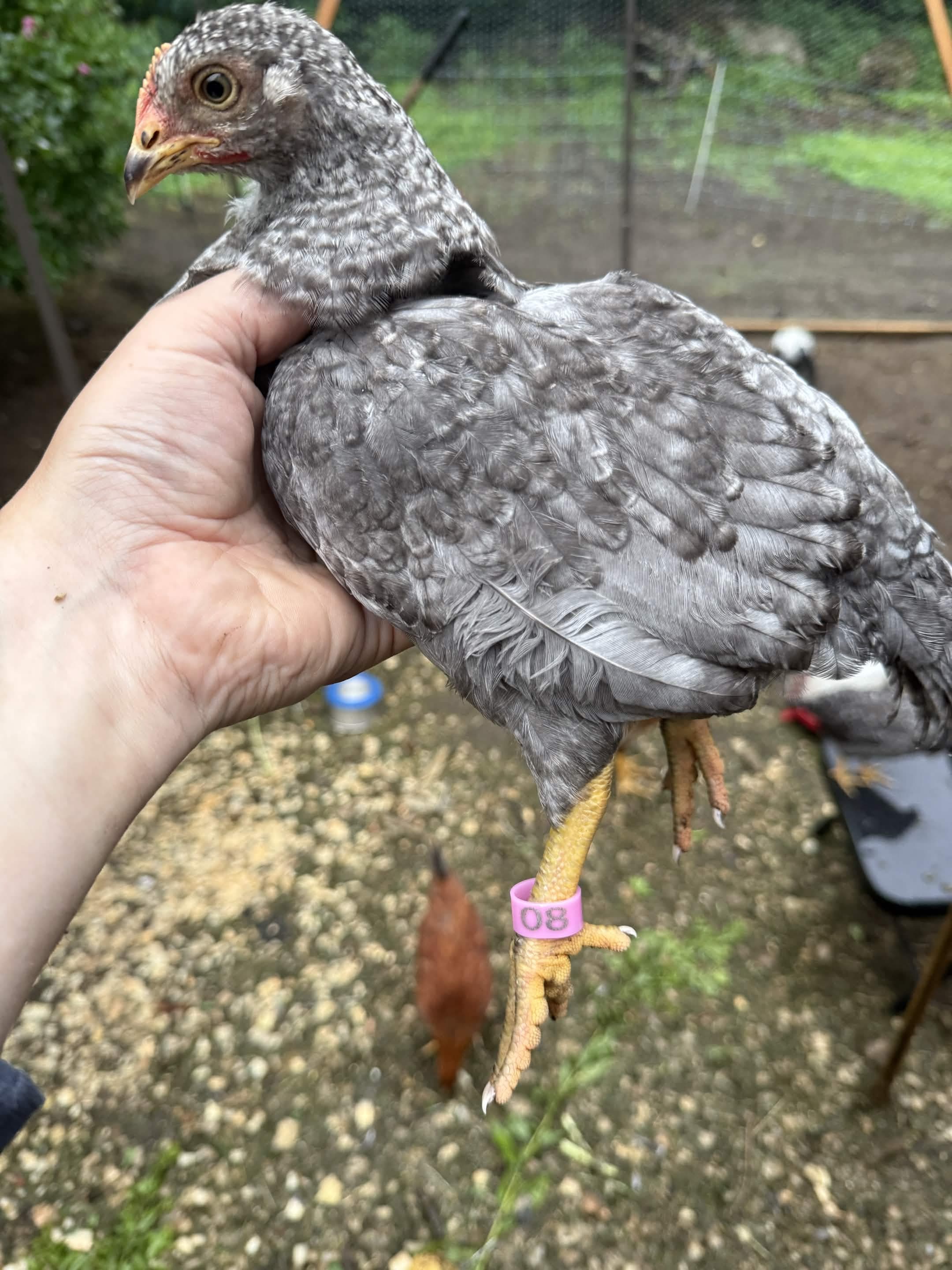
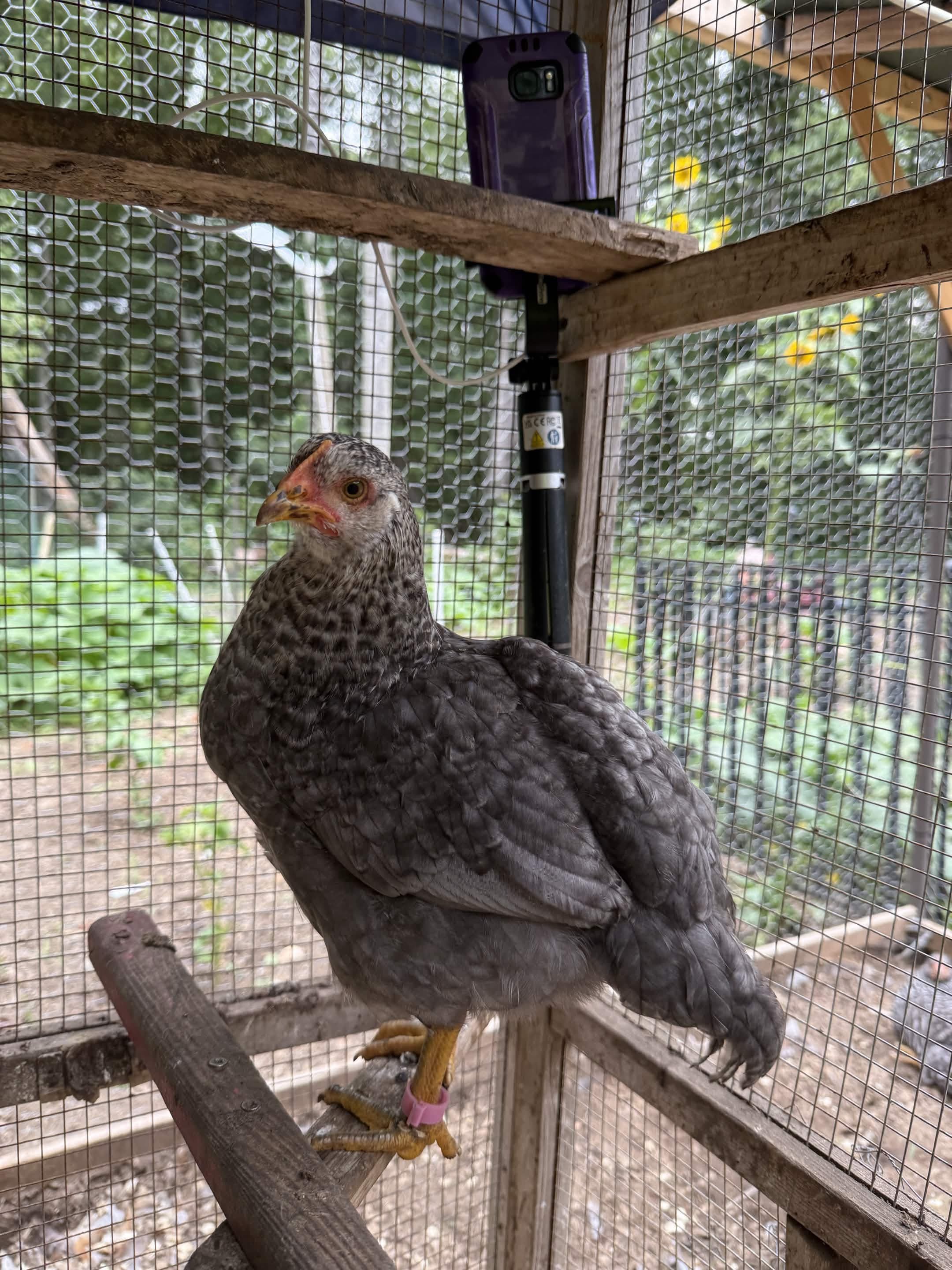
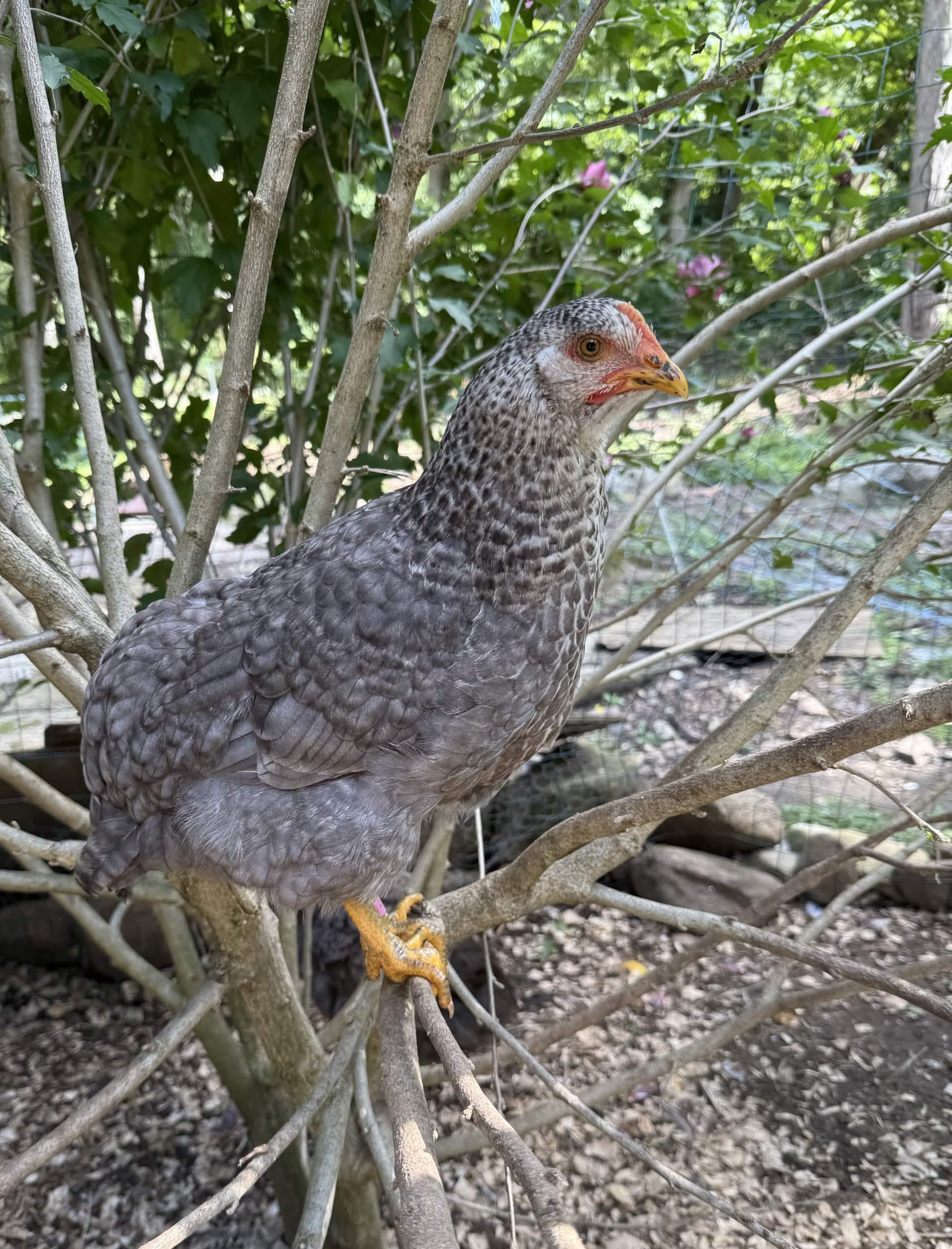
 3 months
Growth
 3 monthsHenrietta line
Henridot
fka HenridottaGrowth
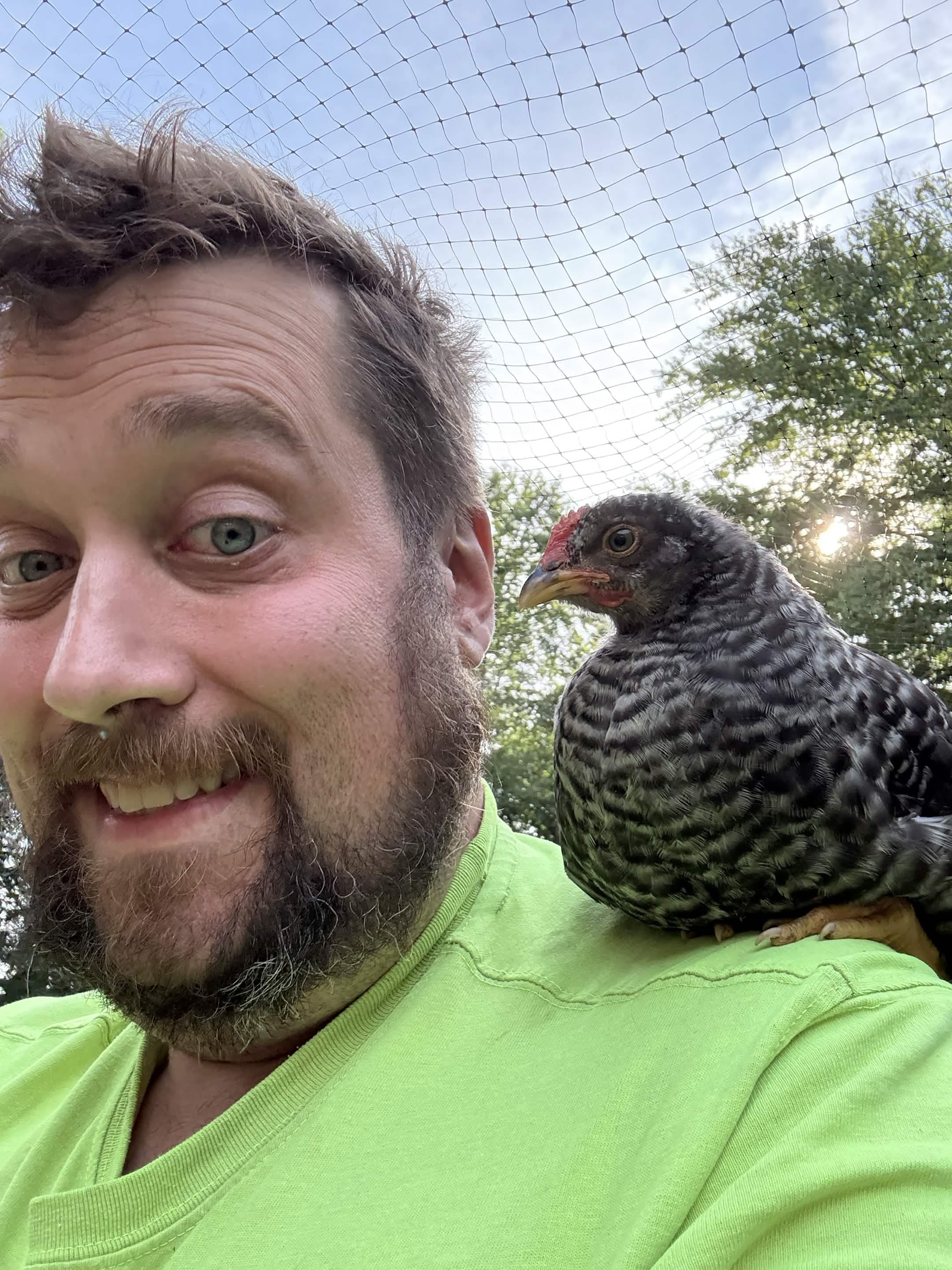
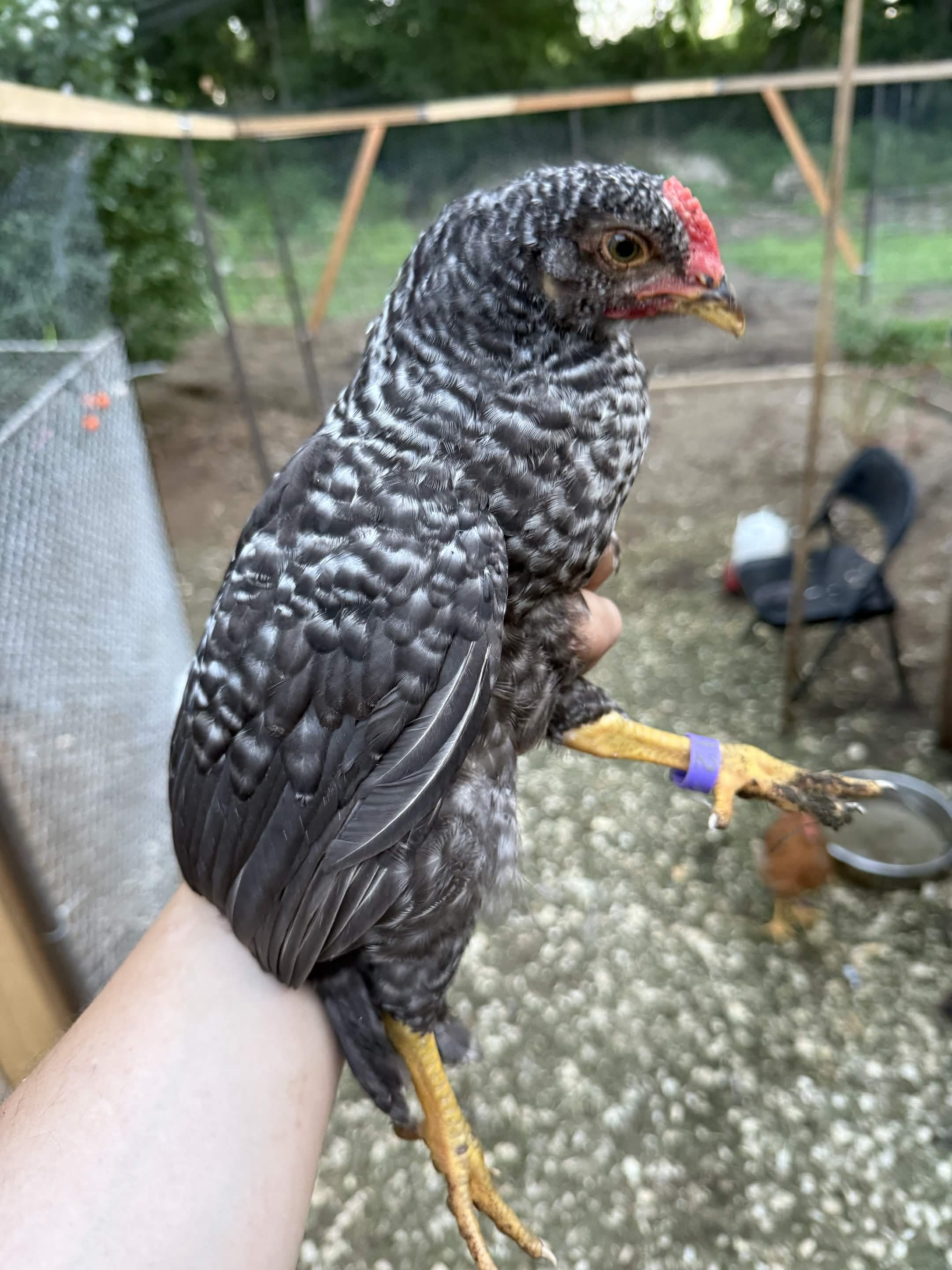
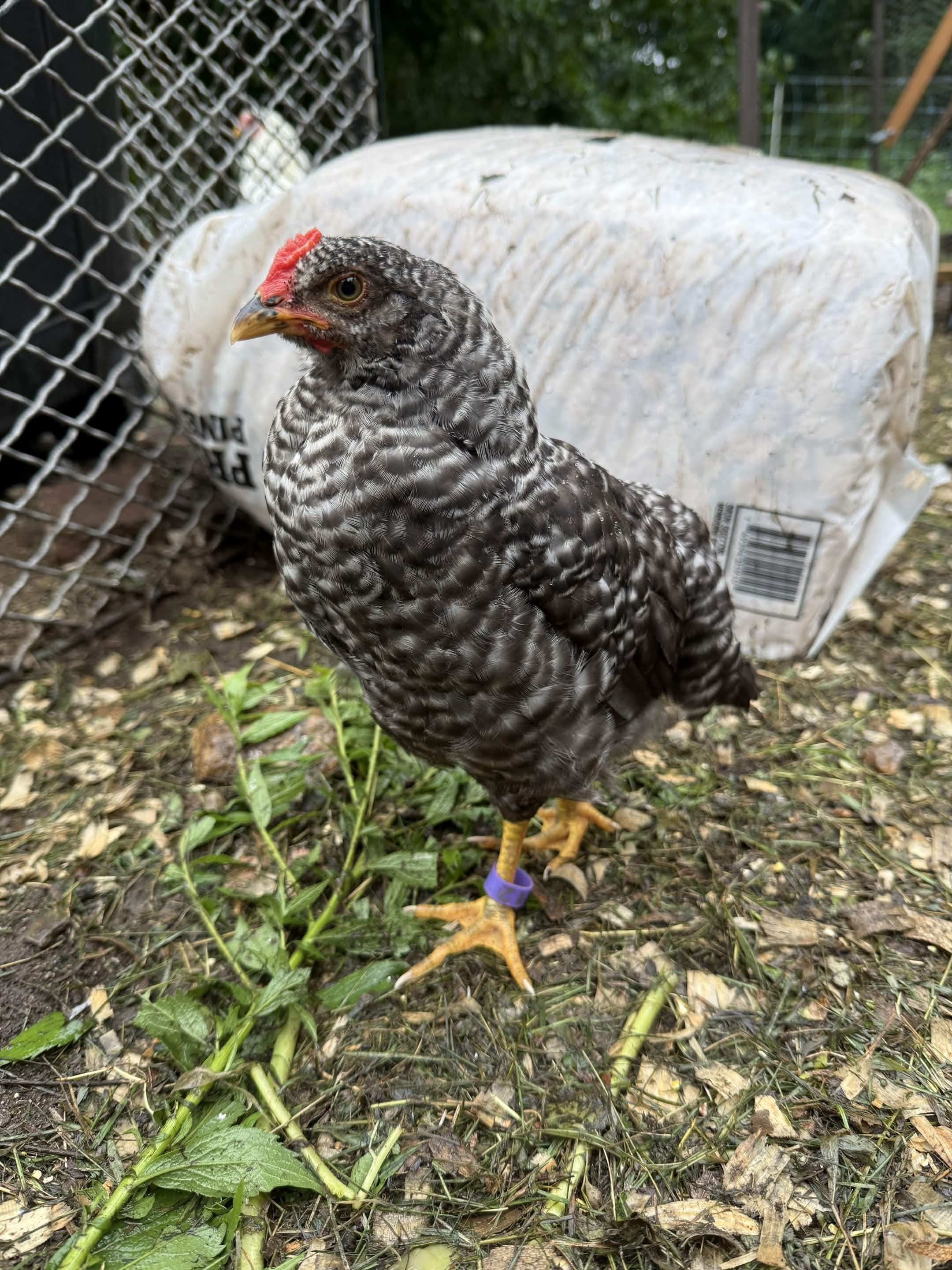
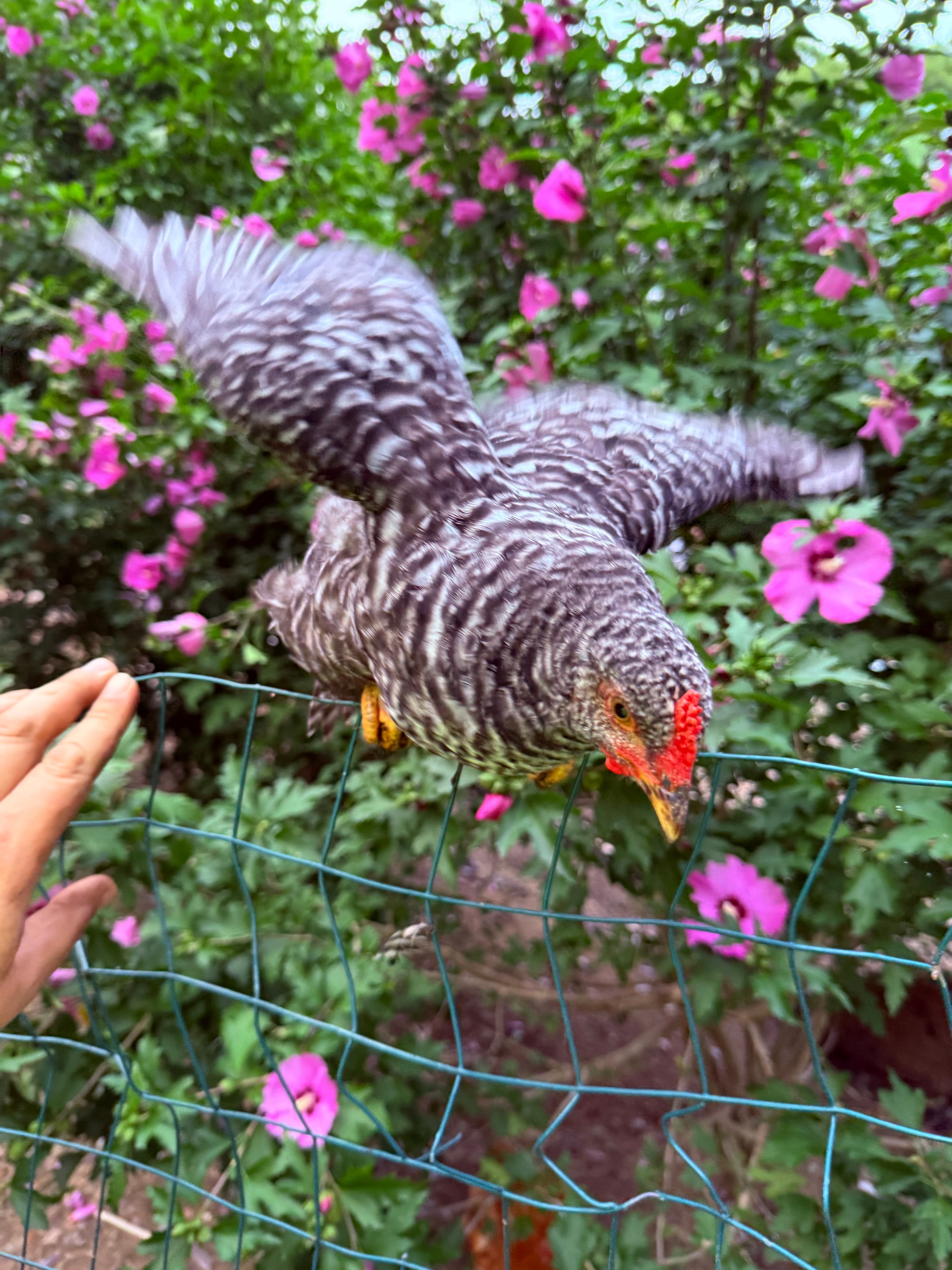
 3 months
Growth
Breeding Line
First Second-Generation Hatch
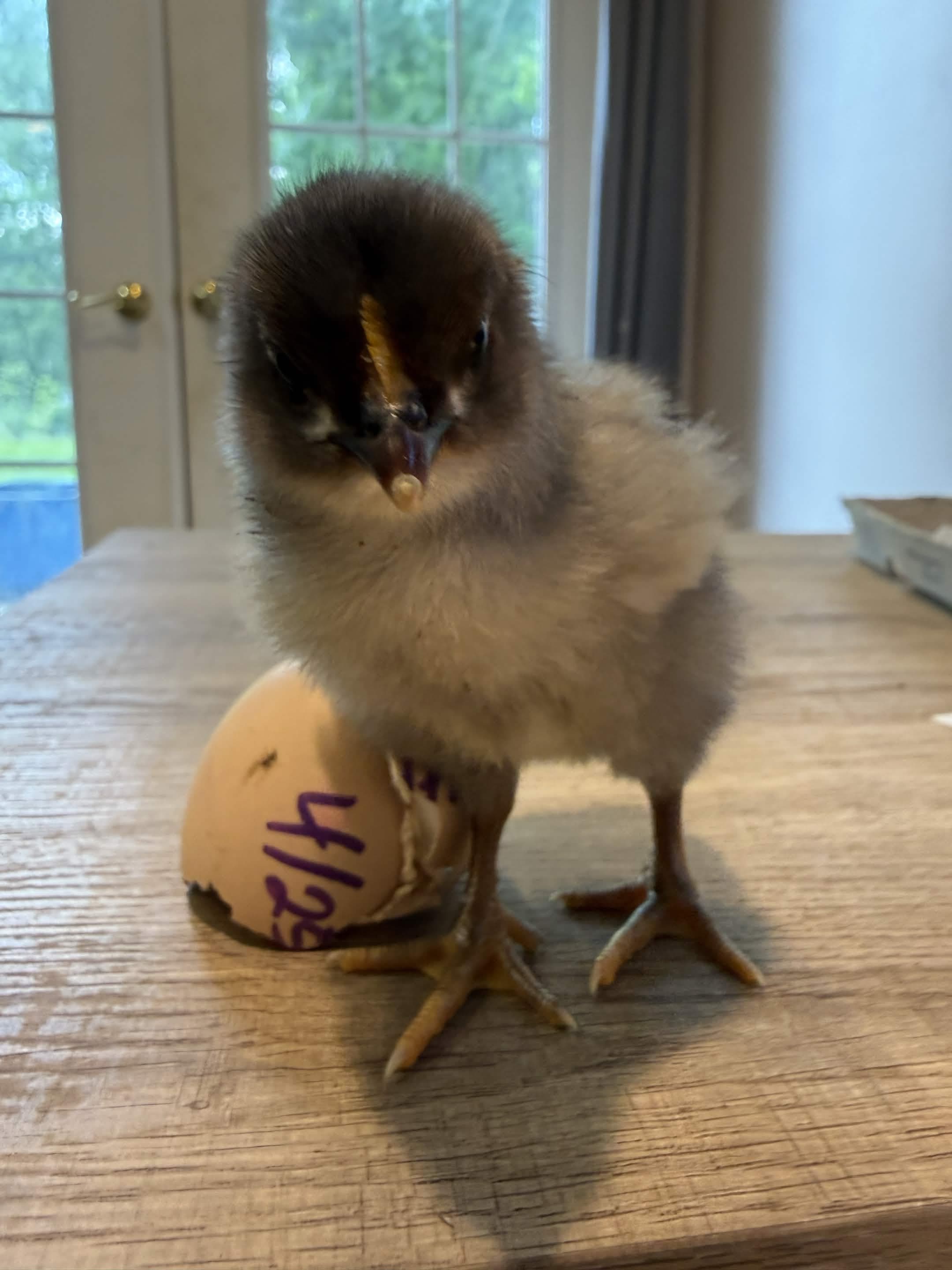
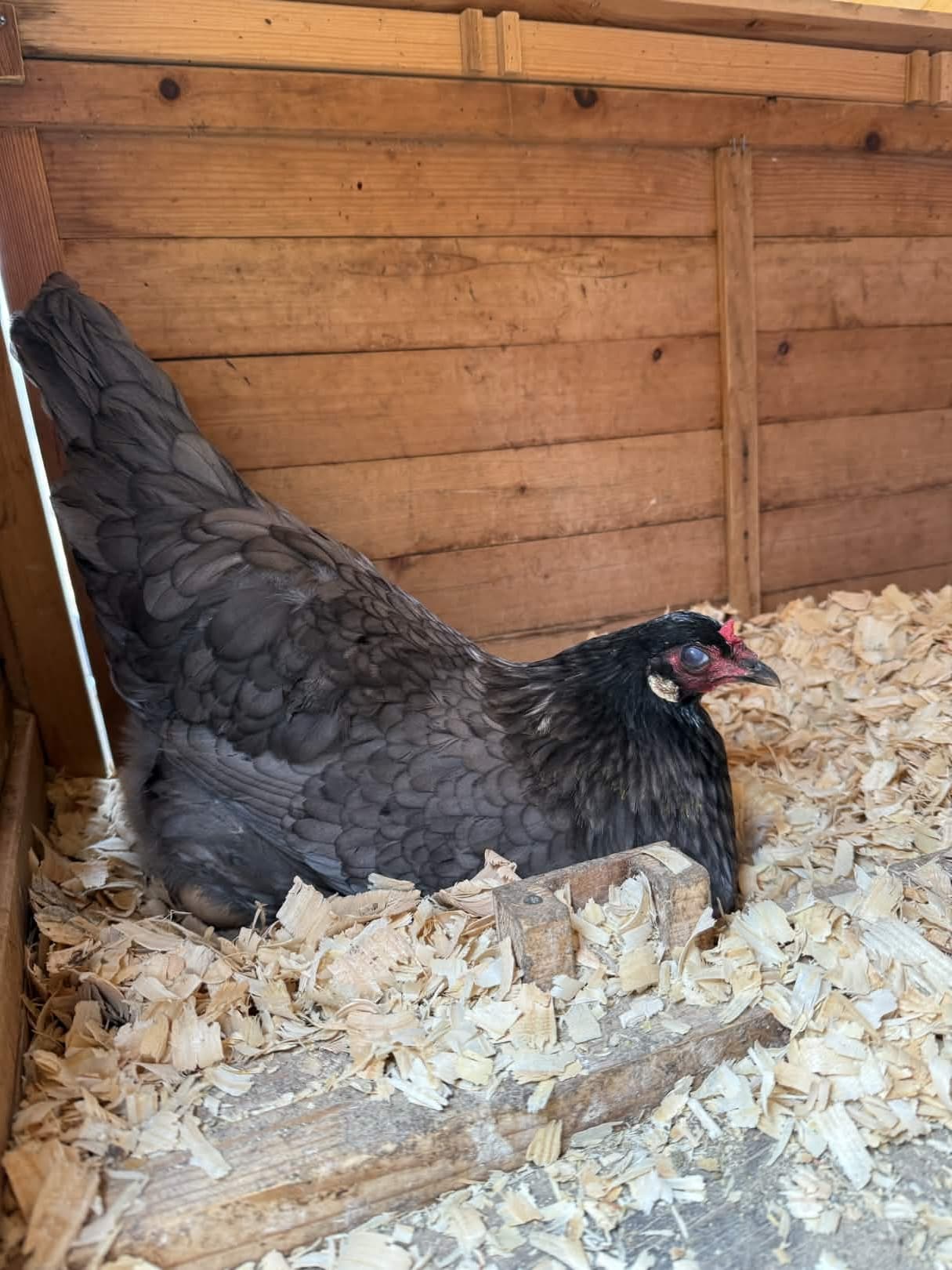
Birdadotta, hatched 25 April 2026 from a blue egg laid by Birdadonna, is the first chick on the farm with both parents in the program's own records. Birdsula × Little Big Red Junior → Birdadonna → Birdadotta.
Birdsula
Easter Egger
Little Big Red Junior
Rhode Island Red (likely)
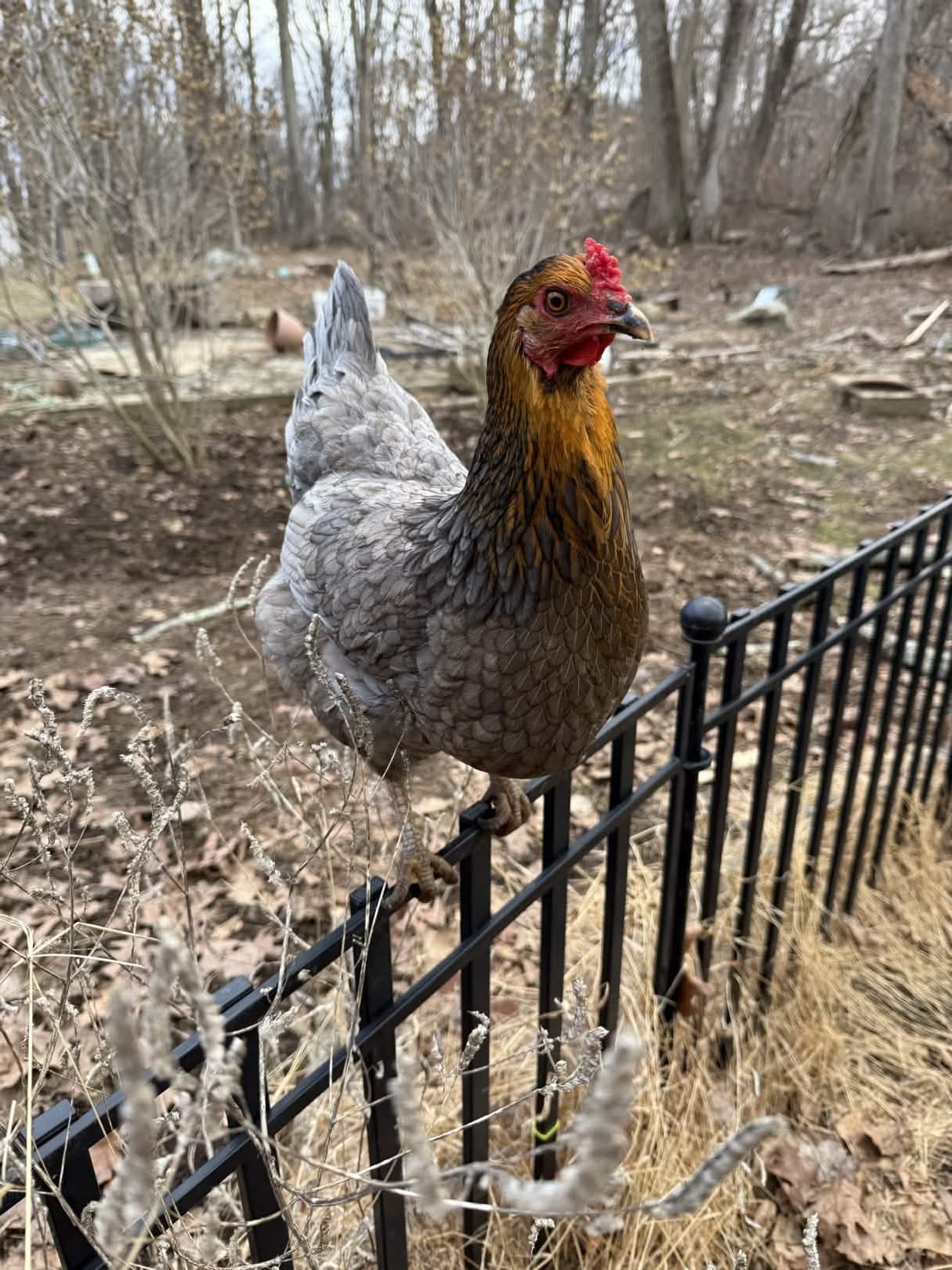
Birdadonna
Easter Egger × RIR cross
Birdadotta
Easter Egger × RIR cross
Birdcatraz
In Birdcatraz
The luxurious poultry penitentiary — a fenced outdoor compound holding the coop, the turkey pen, and the big water bowl. The whole 2026 class lives here now, newest hatch at the top.
Easter Egger lineage (cross TBD)
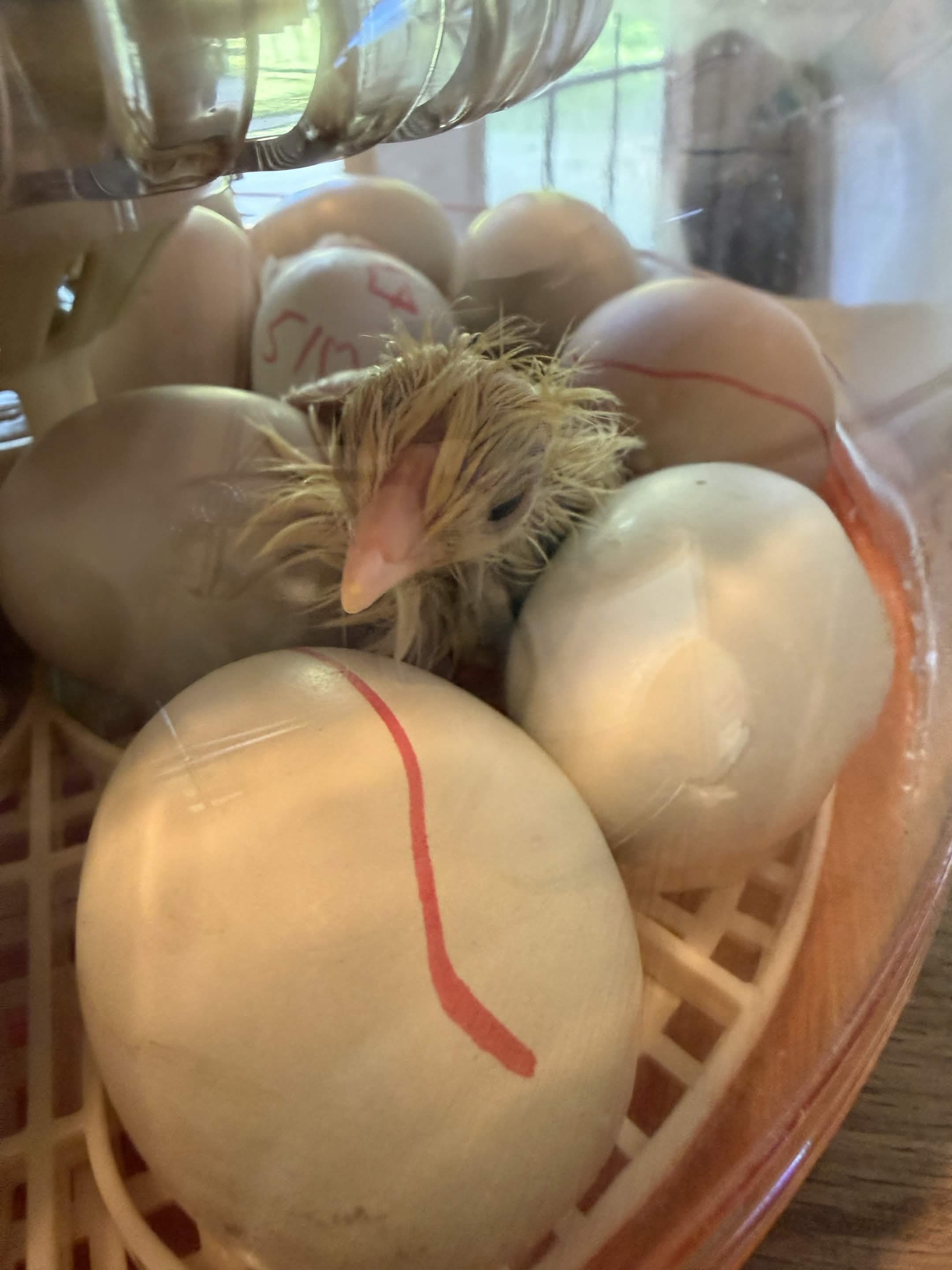
“Finished hatching on her own overnight after a light assist”
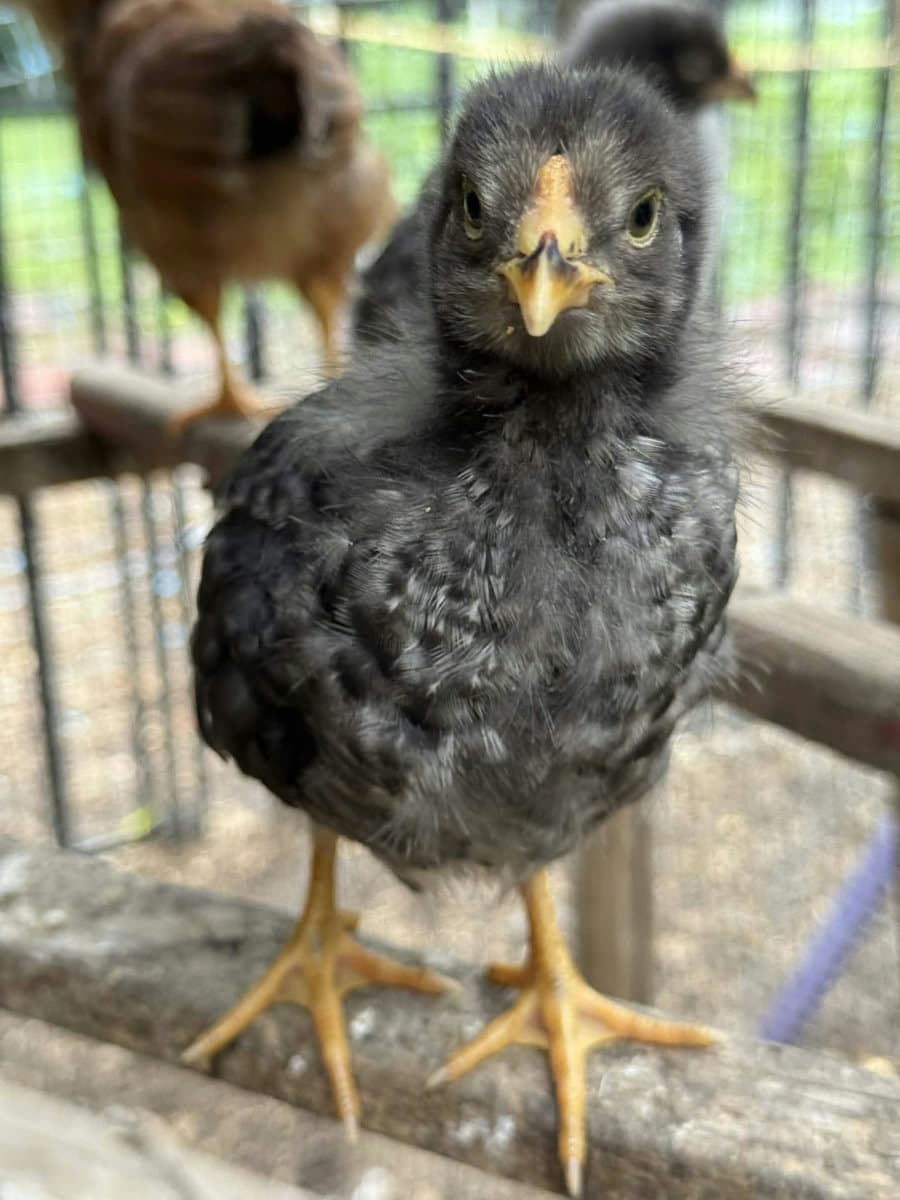
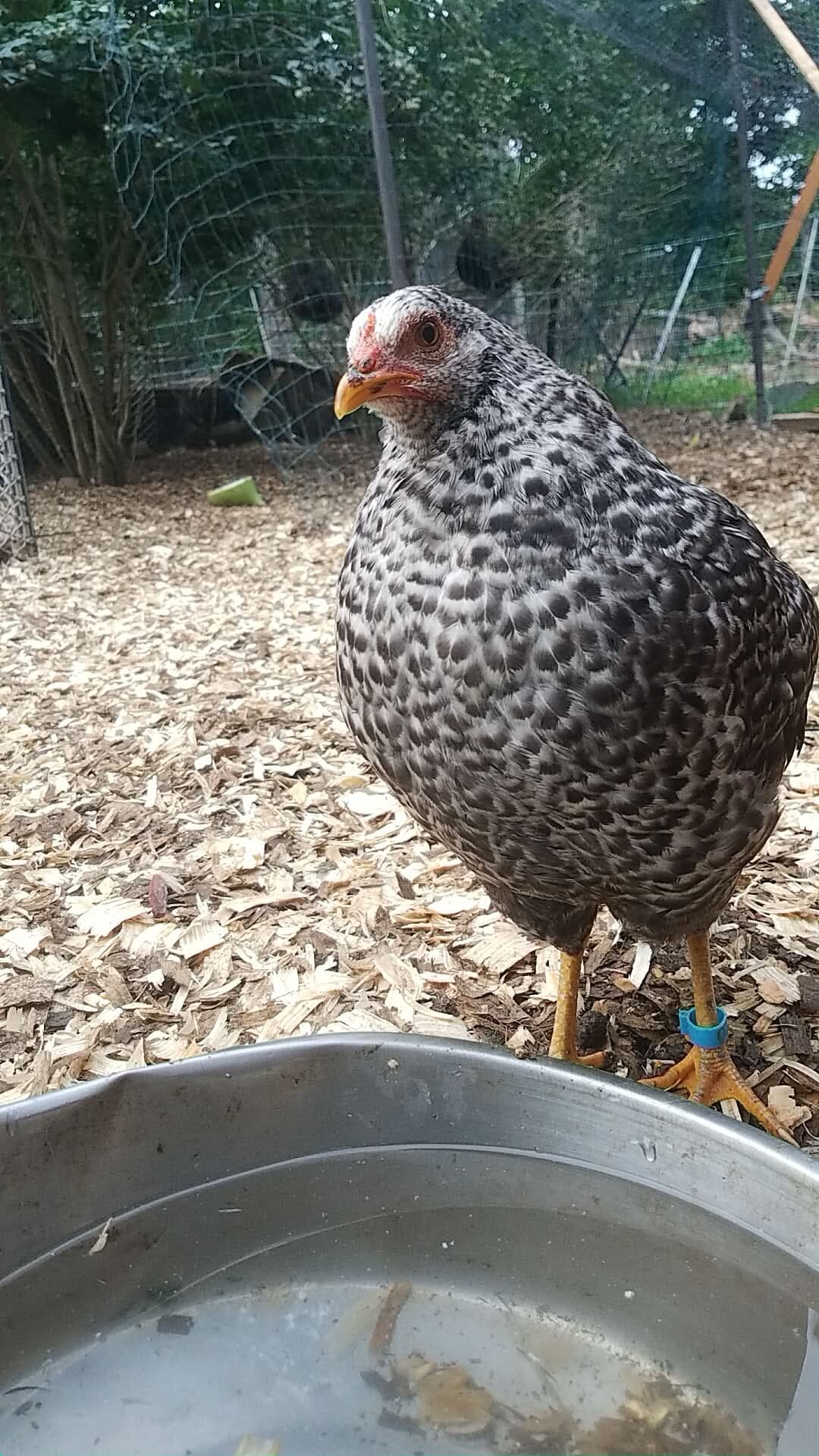
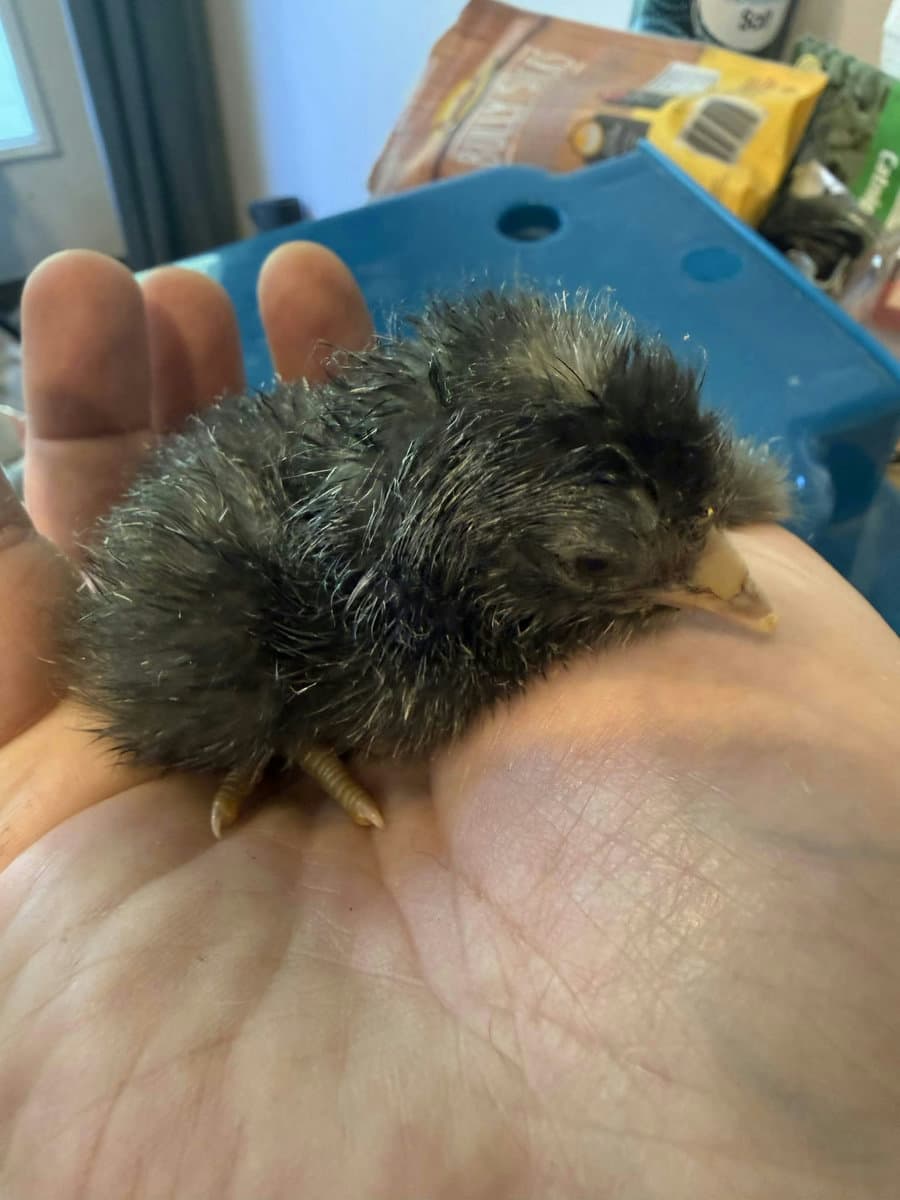
Charcoal-grey bird covered in soft white spangles, with a paler white-flecked head, a bare red face and a very small comb; looks remarkably like Ingebird. Plumage alone cannot tell her apart; her leg band does. Yellow legs.
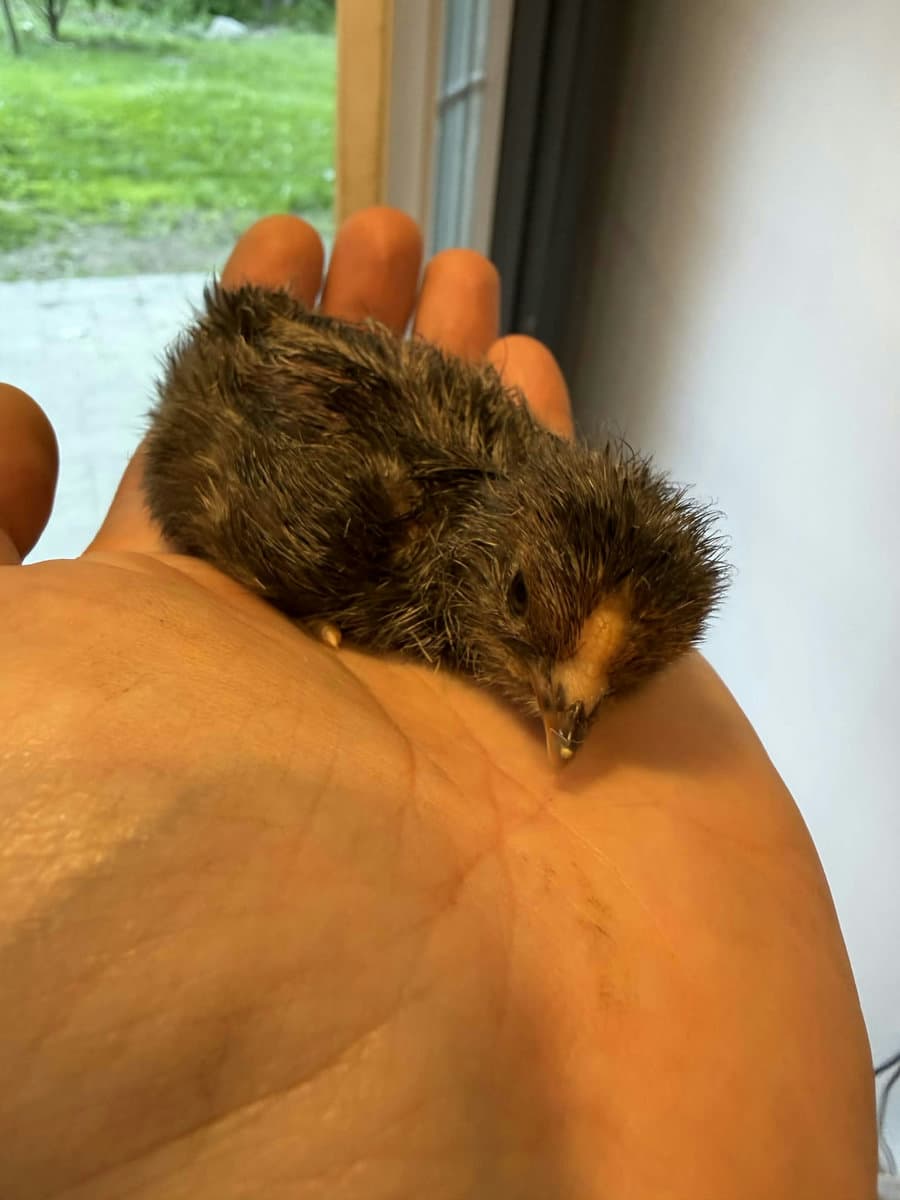
The LAST HATCH of the 2026 incubator season.
Growth
Golden Laced Wyandotte cross (Henrietta line)
“Settled with siblings in the brooder”
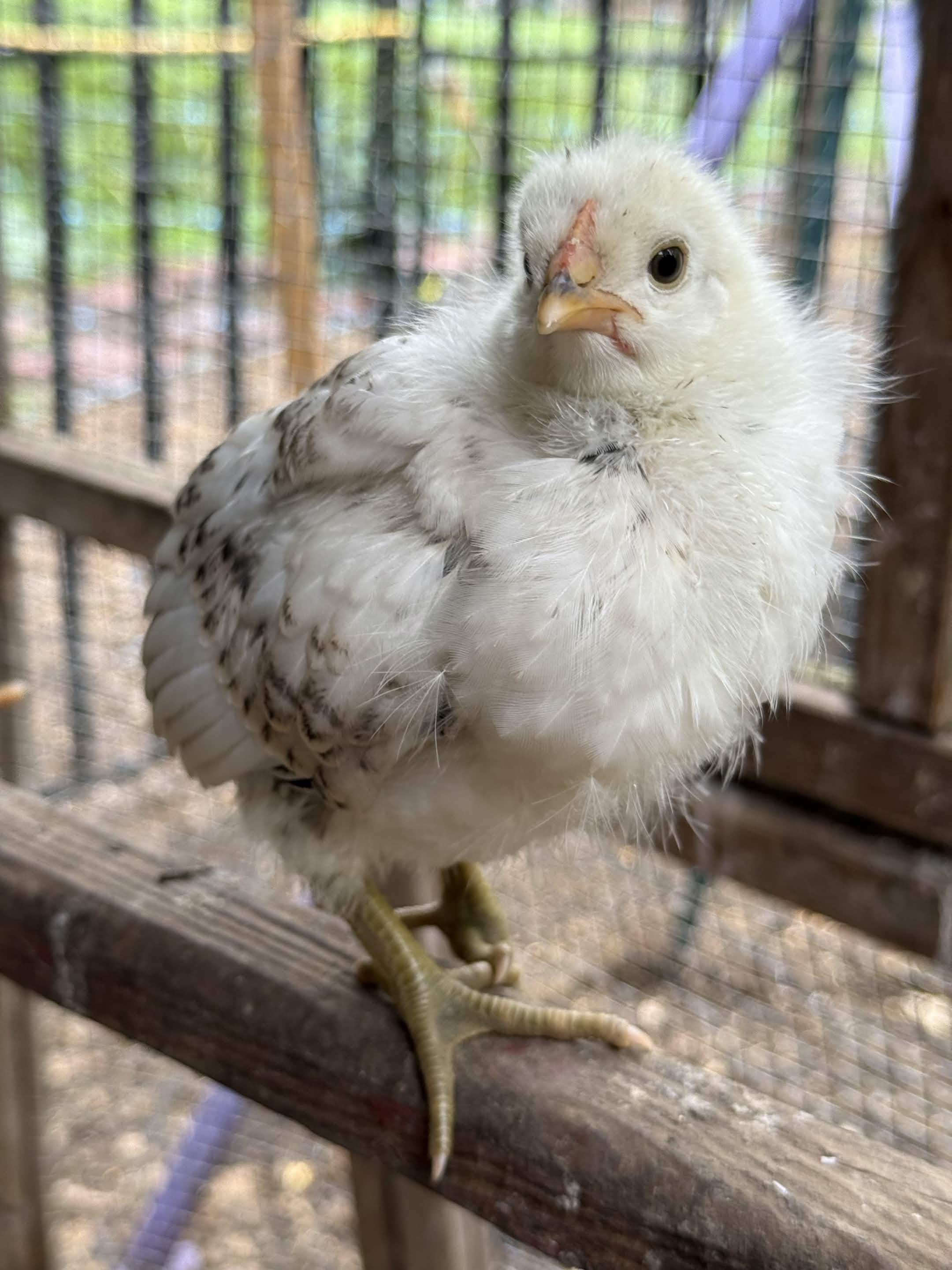
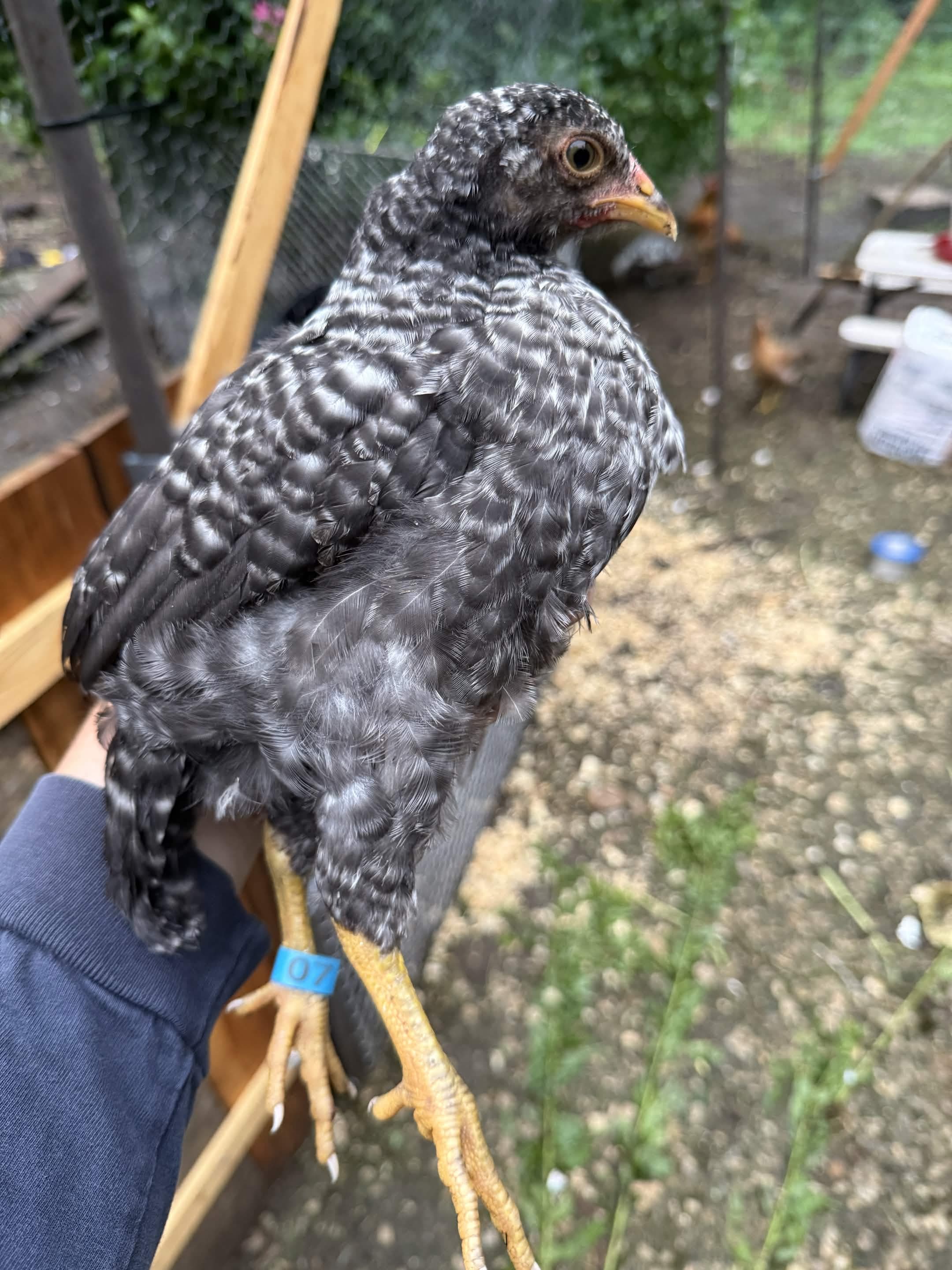
Soft blue-grey body with darker grey lacing on each feather, the smoothest and palest grey of the grey-and-barred group, not barred. Head and neck white with bold black spots. Small comb, red face, yellow legs.
June Henrietta-line chick.
Growth
Easter Egger lineage (cross TBD)
“Slow to clear the shell; rested between pushes”
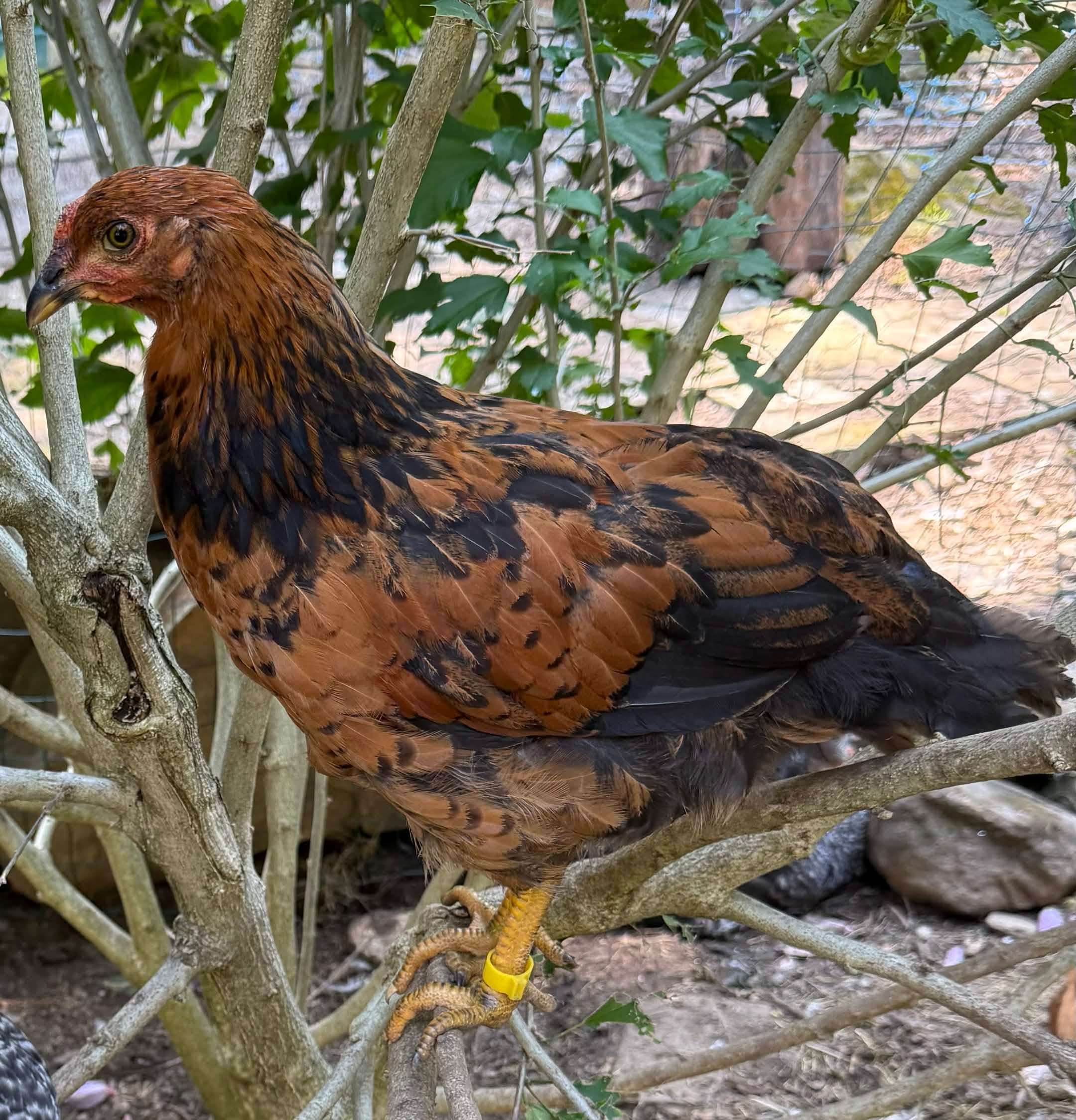
A solid slate-grey folded wing panel lying flat against a gold body splashed all over with bold irregular black leopard blotches — the plain dark wing against the spotted gold is readable right across a pen. Tail solid black. Face and throat dusky grey-brown bare skin with a small cream patch behind the eye, comb a low pink-red ridge. ⚠️ The grey-wing-over-gold look is shared with Birddor — Birddor has a large bright RED face and a very pale yellow-gold eye, Horstabird's face is dull grey-brown. (Plumage from 21-Jul-2026, photographed shortly before banding — not yet confirmed against yellow #2.)
Boss-corrected 2026-06-07: a pullet, sired by LBRJ (the red rooster lost in the April predator wave) — identified by the rust/red coming in on her face and throat, which supersedes the earlier Whitey Red Legs paternity window.
Growth
Henridot
fka HenridottaGolden Laced Wyandotte cross (Henrietta line)
“Settled with siblings in the brooder”
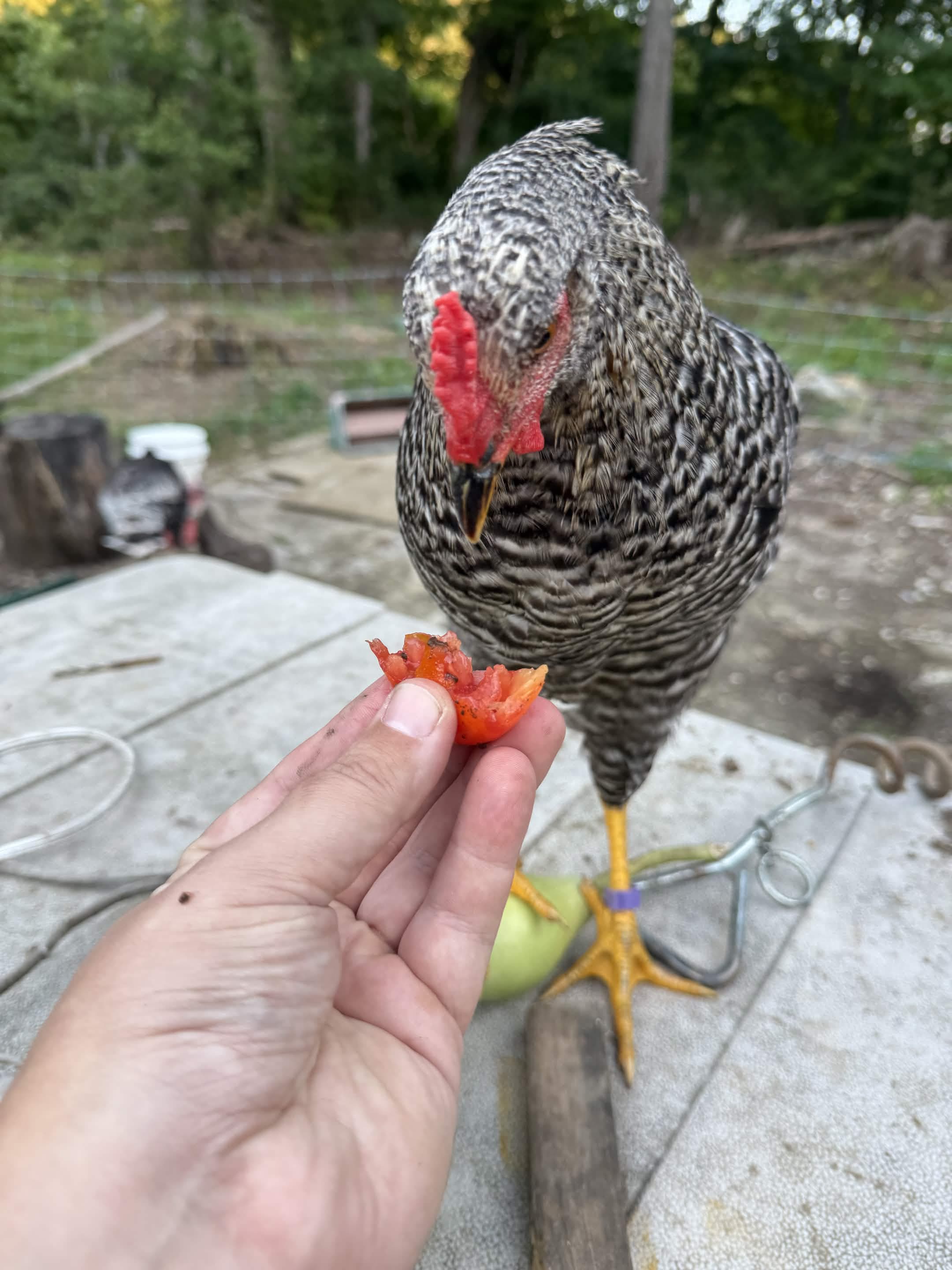
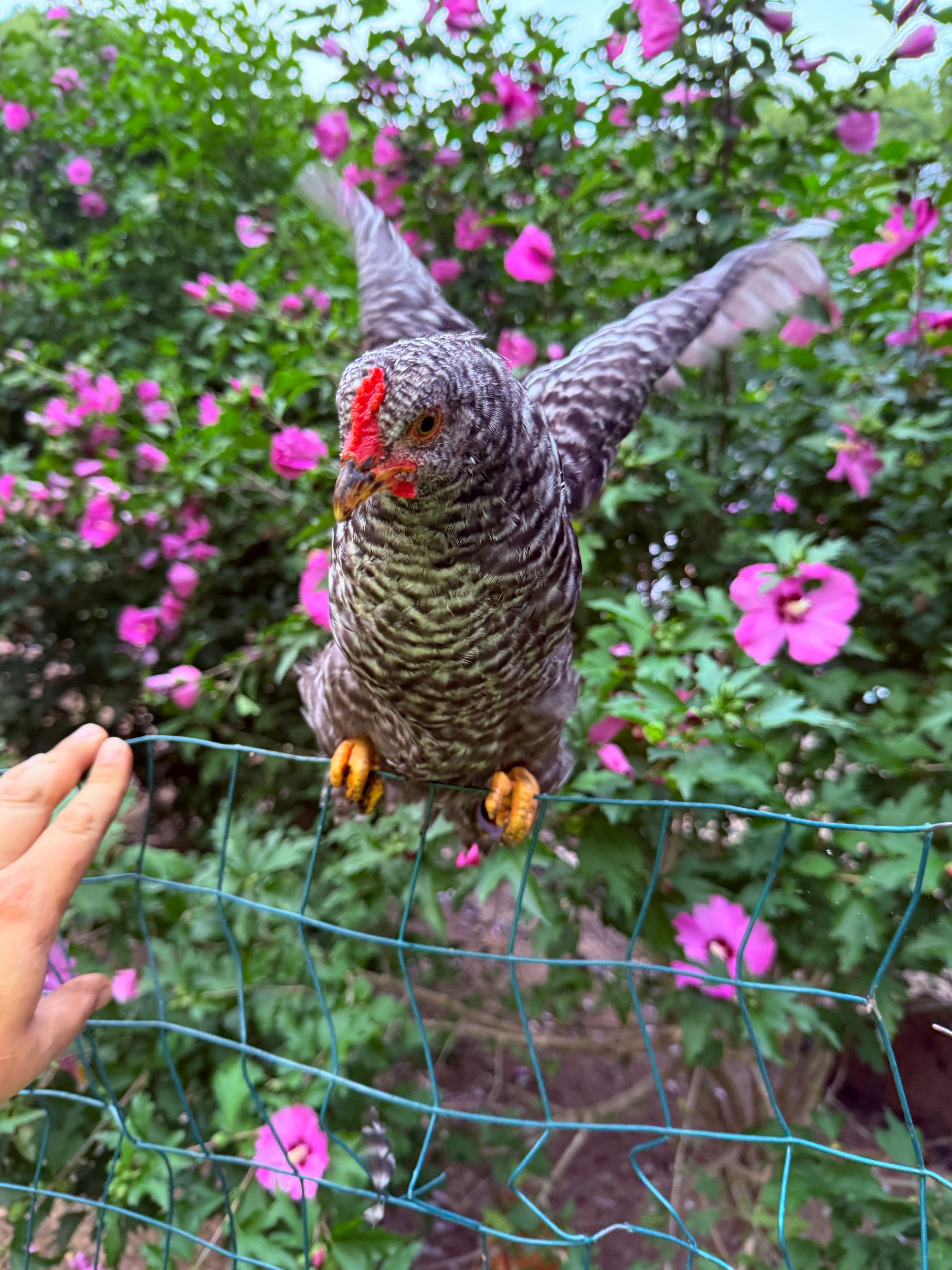
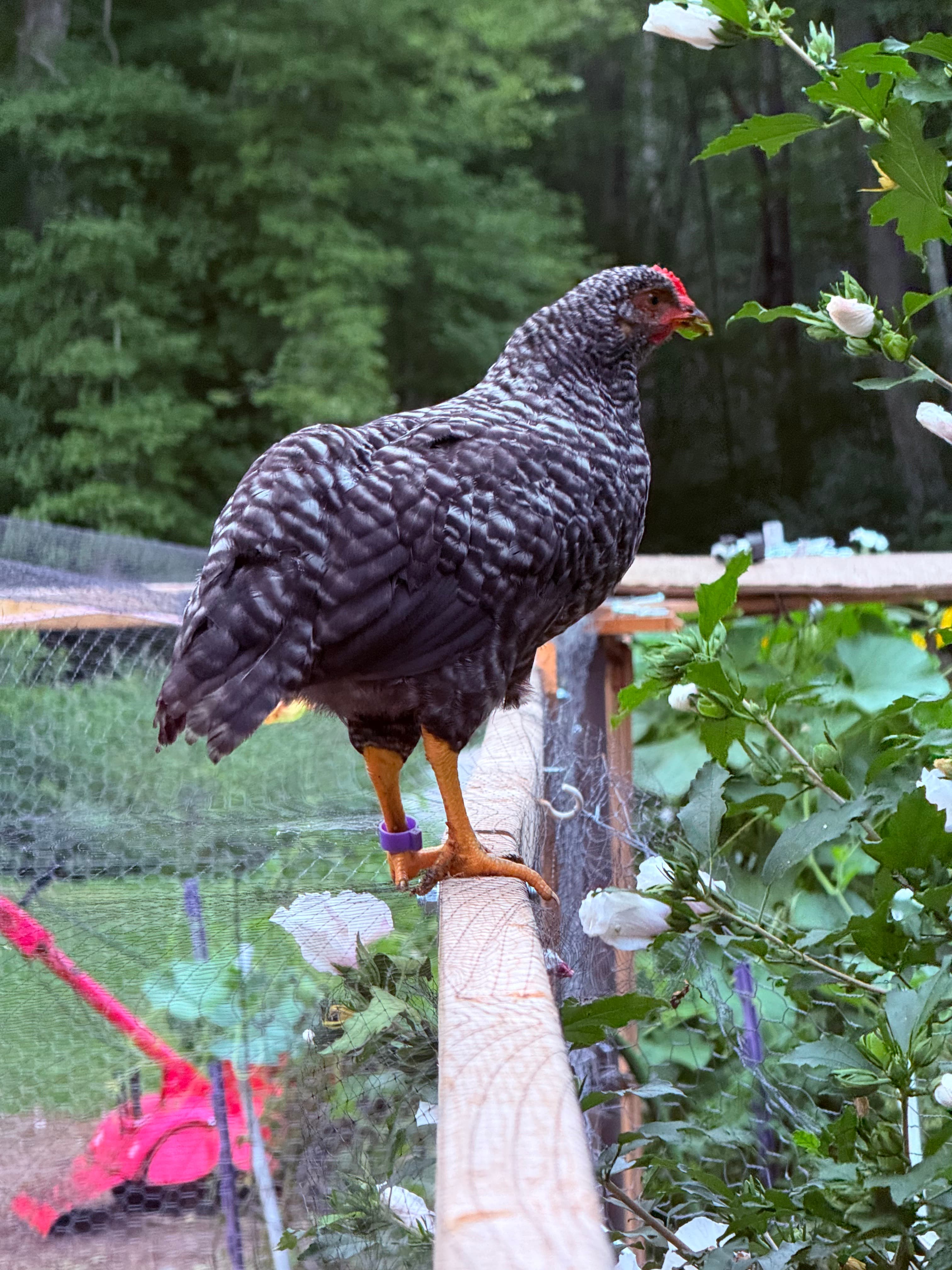
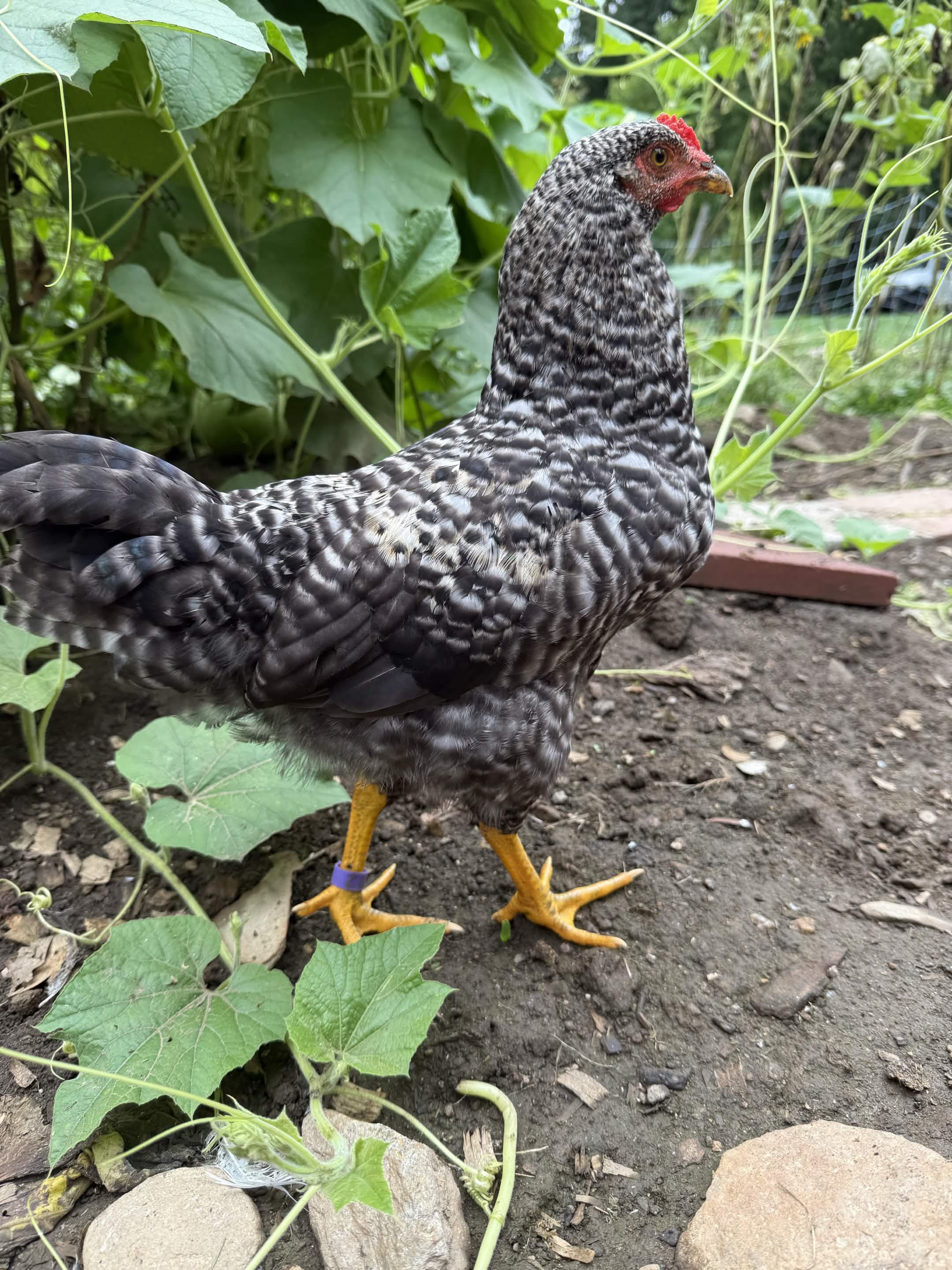
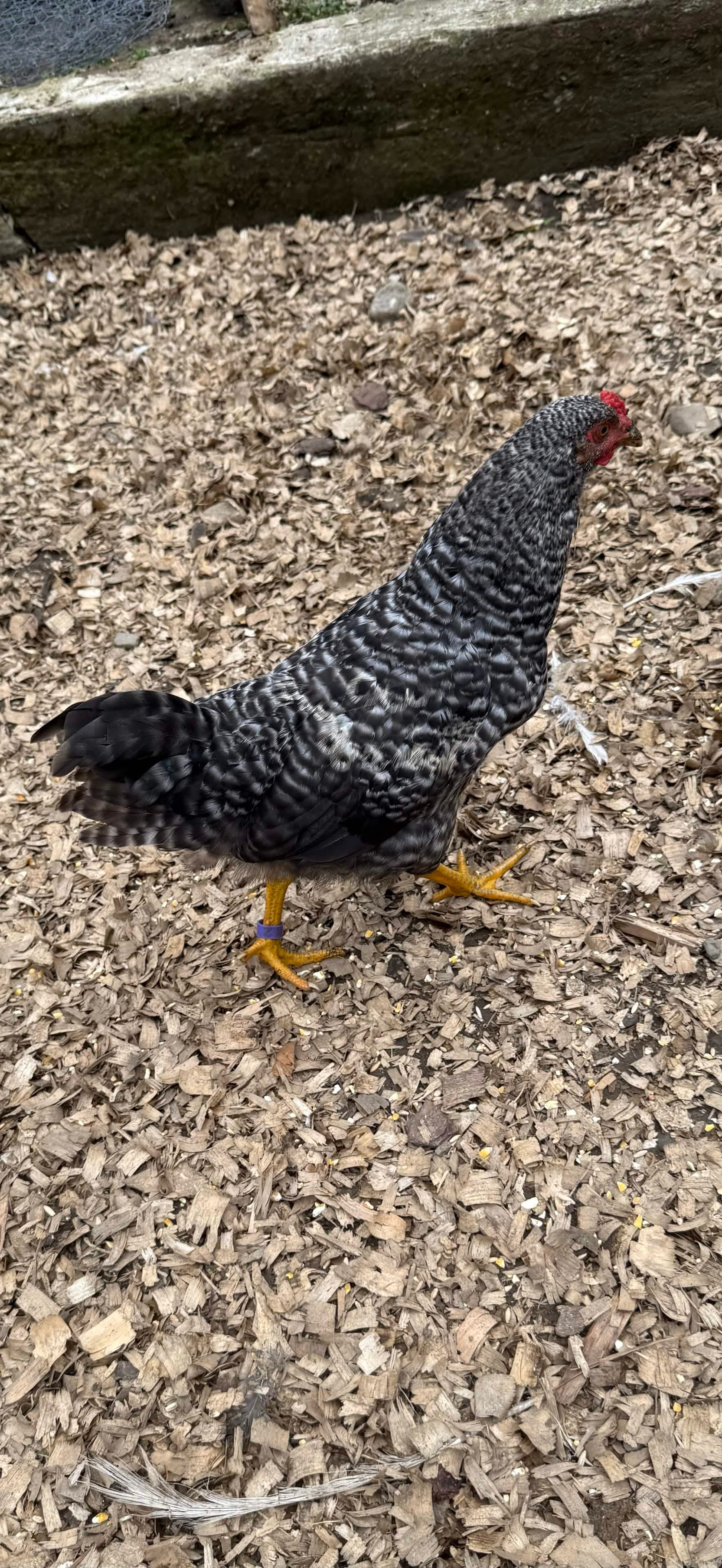
Rooster: crisp black-and-white barring over the whole bird, head included, with a large bright-red single comb flopping to one side and full red wattles. Colored like the purchased Barred Rock roosters, so plumage alone cannot tell him apart; his leg band does. Yellow legs.
June Henrietta-line chick, named in honor of his mother Henrietta.
Growth
Easter Egger lineage (cross TBD)
“Calm; presumed male per Boss's early call”
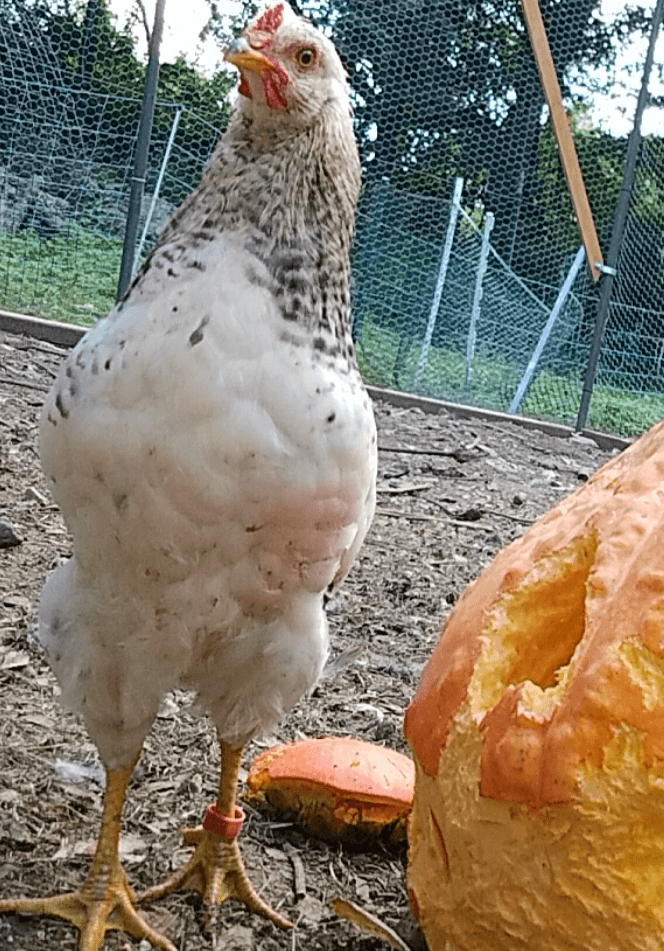
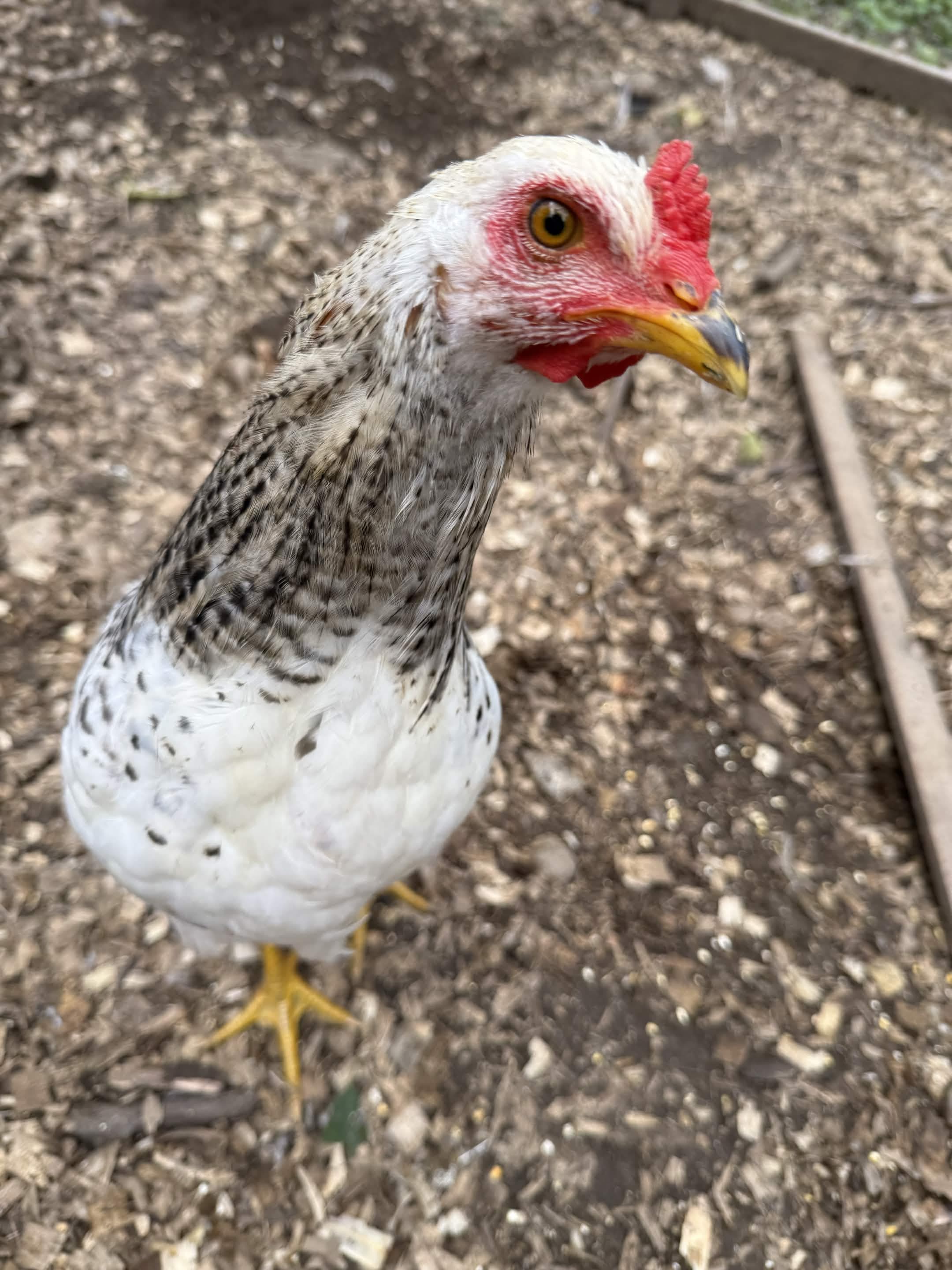
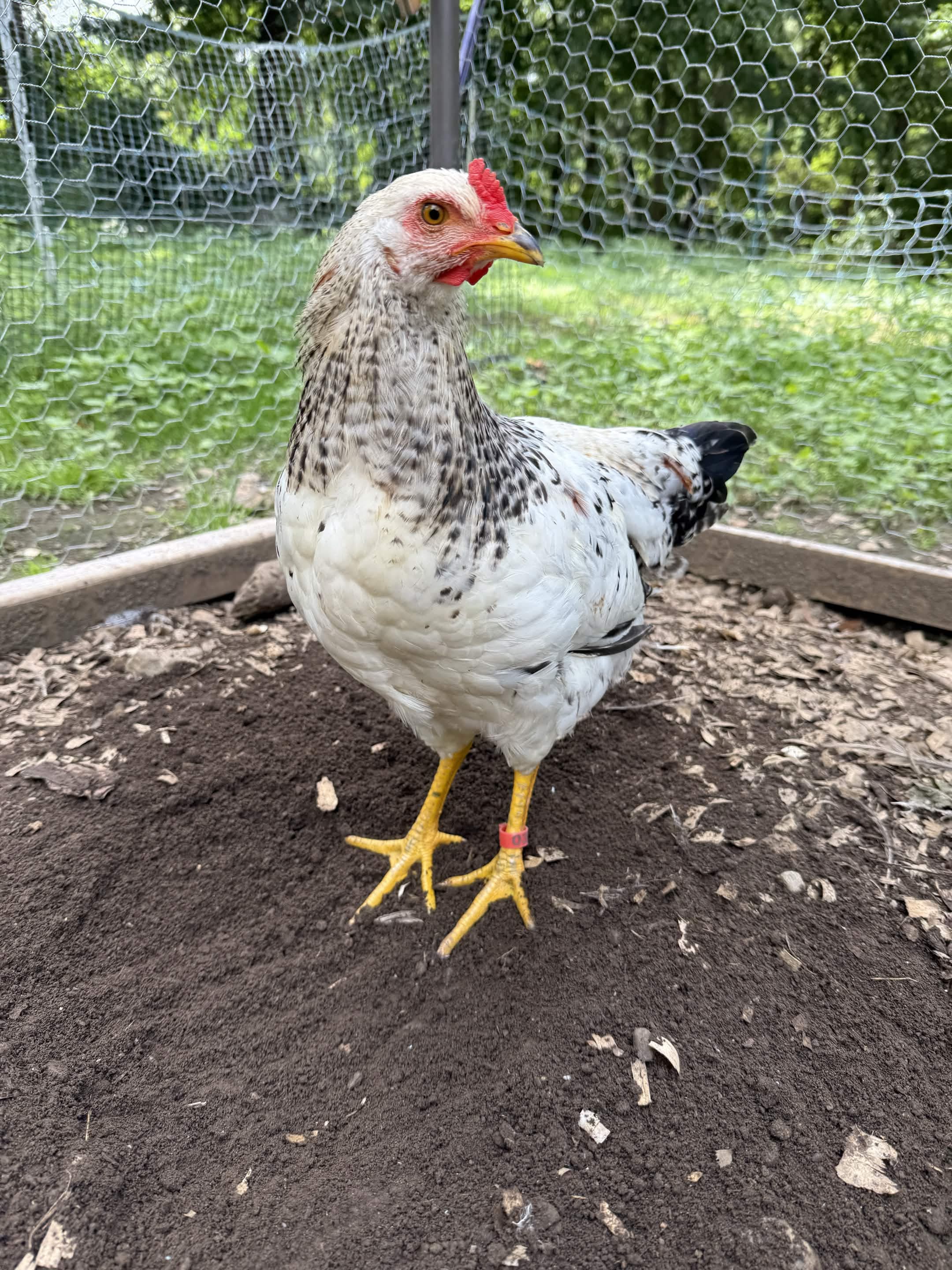
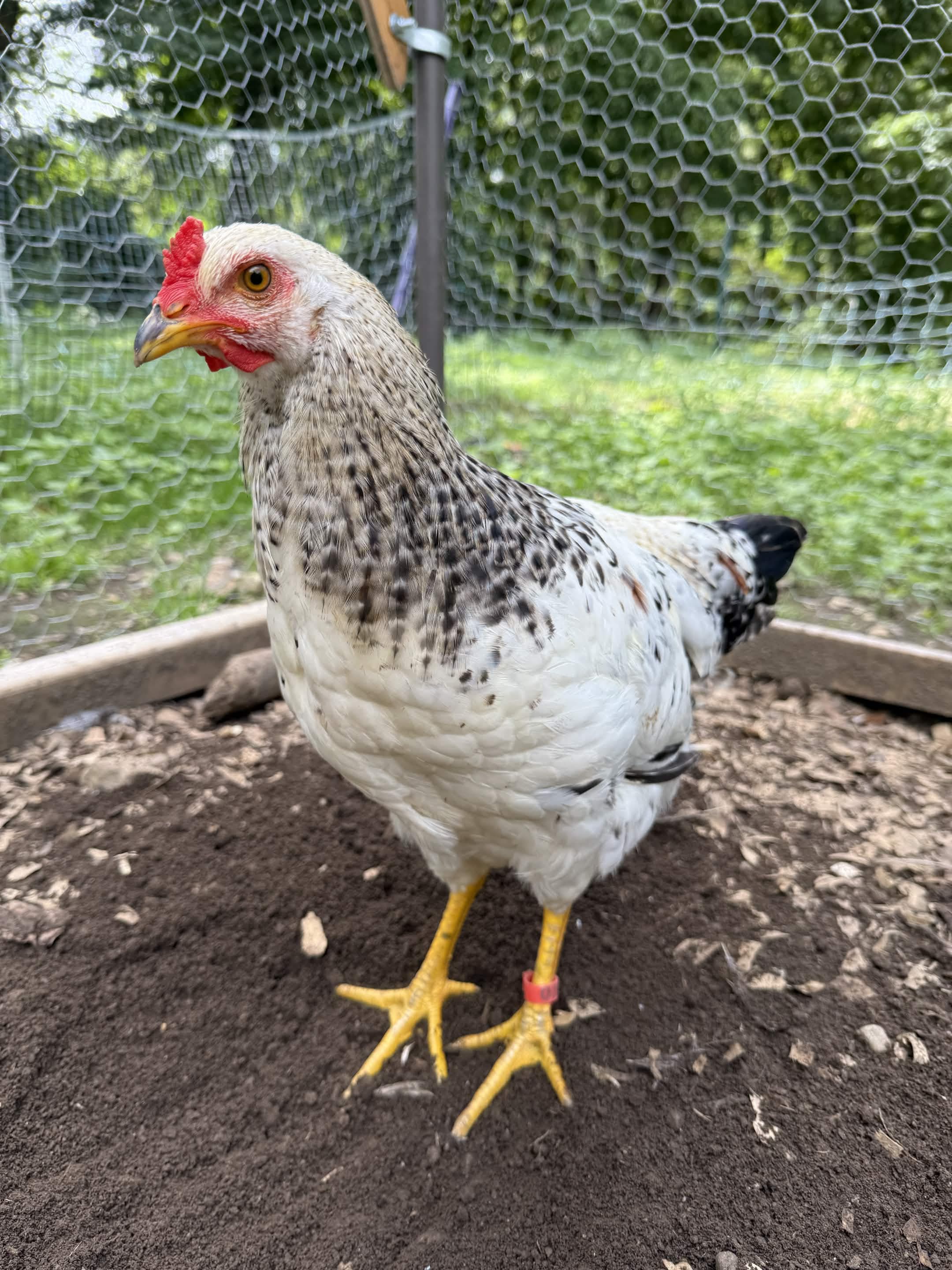
Mostly white bird with heavy dark grey-brown streaking and speckling across the breast and neck, the only predominantly white bird of the June hatch. Tail white barred with black. Red single comb and small wattles, orange eye, yellow beak and legs.
First chick of the June clutch (new incubator, eggs set ~12 May; sire window Whitey Red Legs).
Growth
Easter Egger lineage (cross TBD)
“Came out of the shell upside-down; healthy”
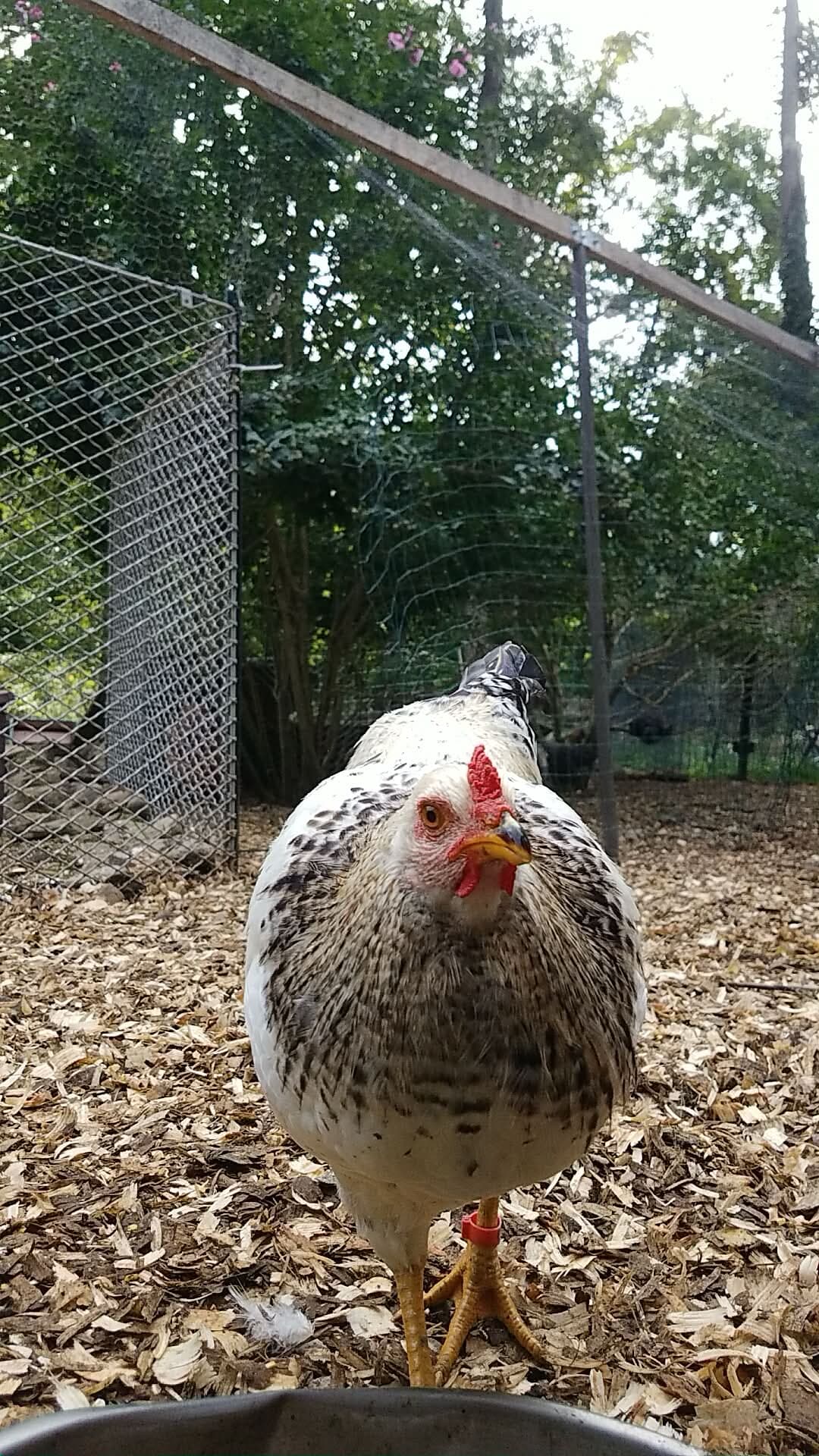
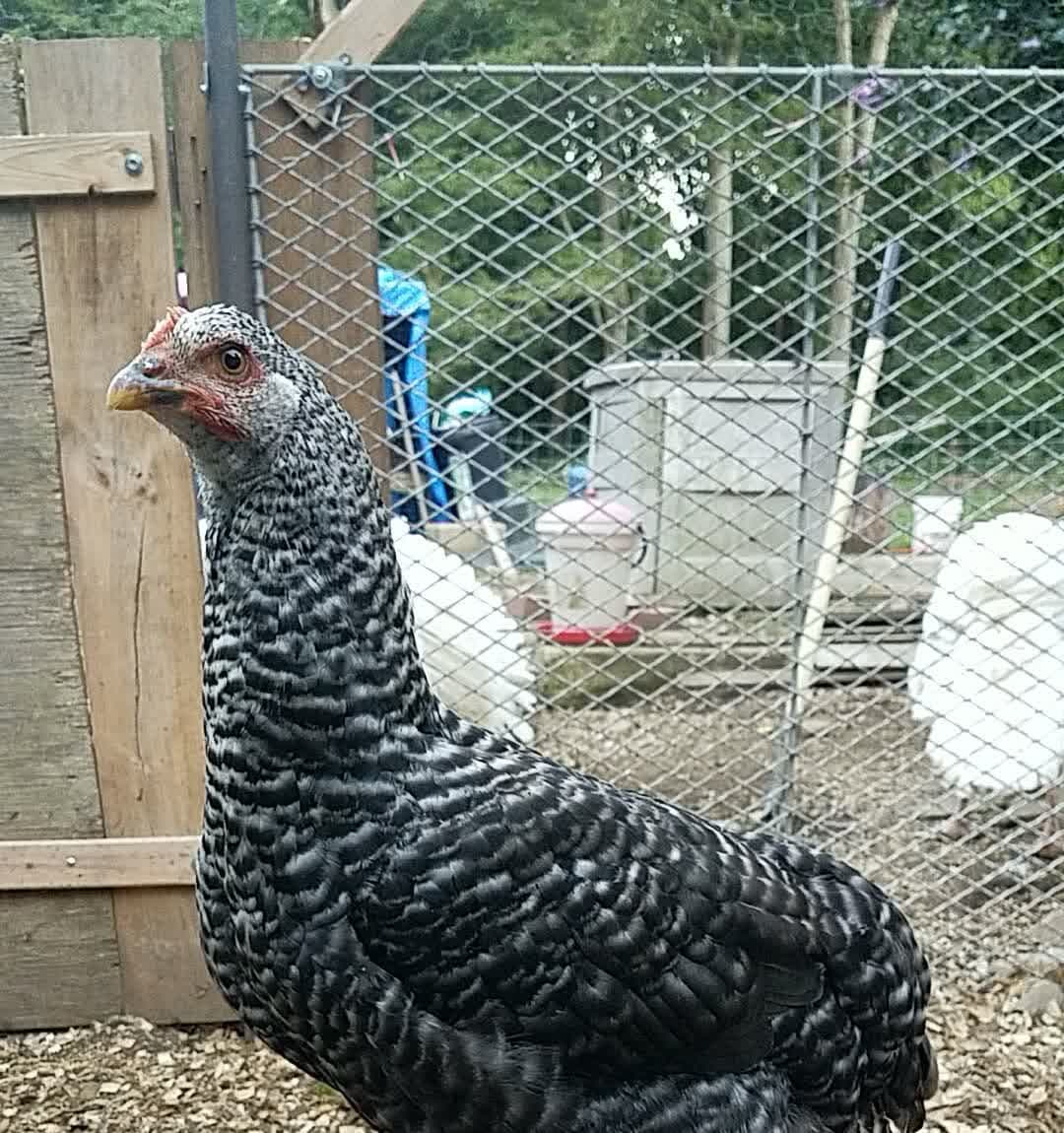
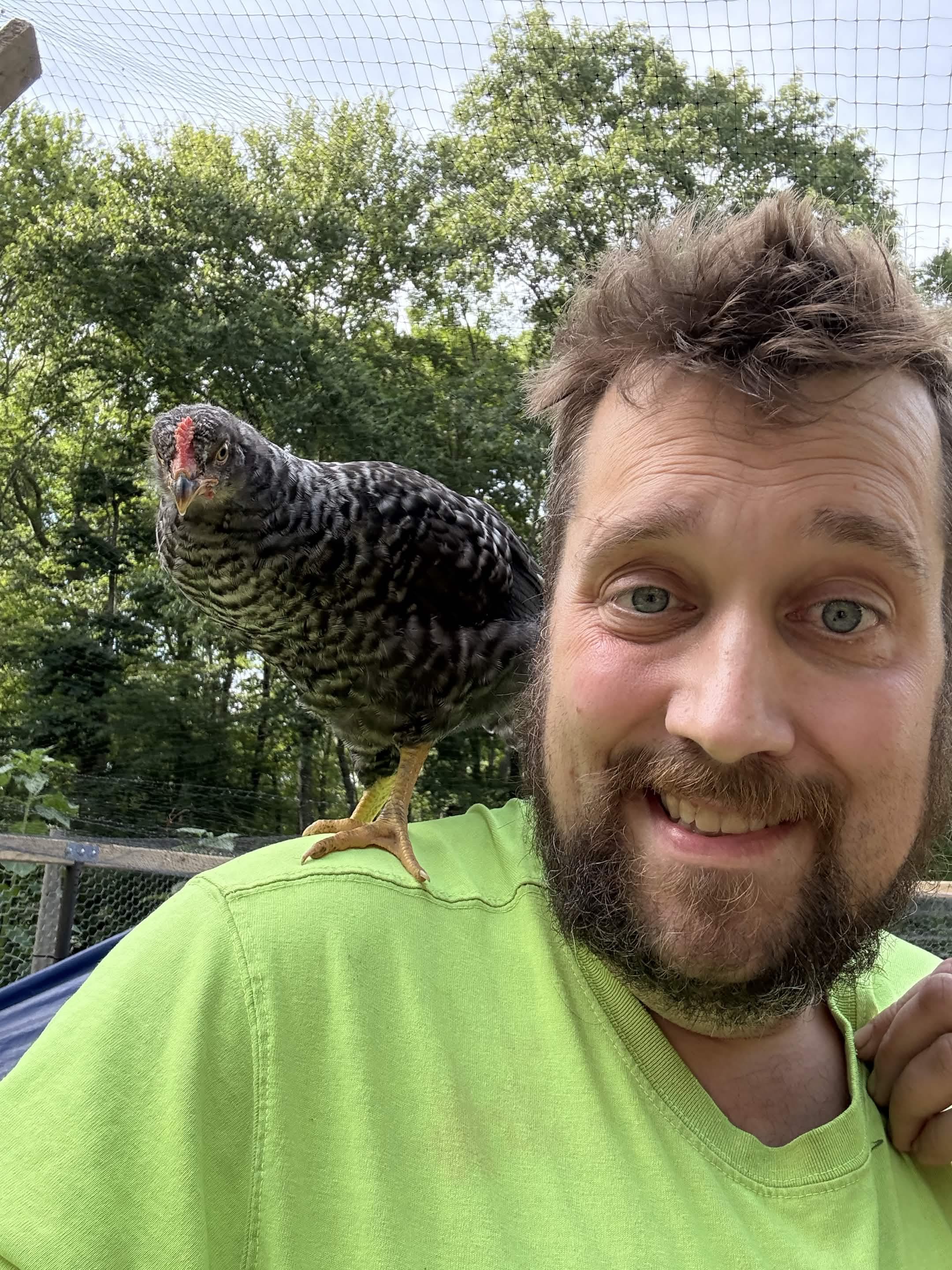
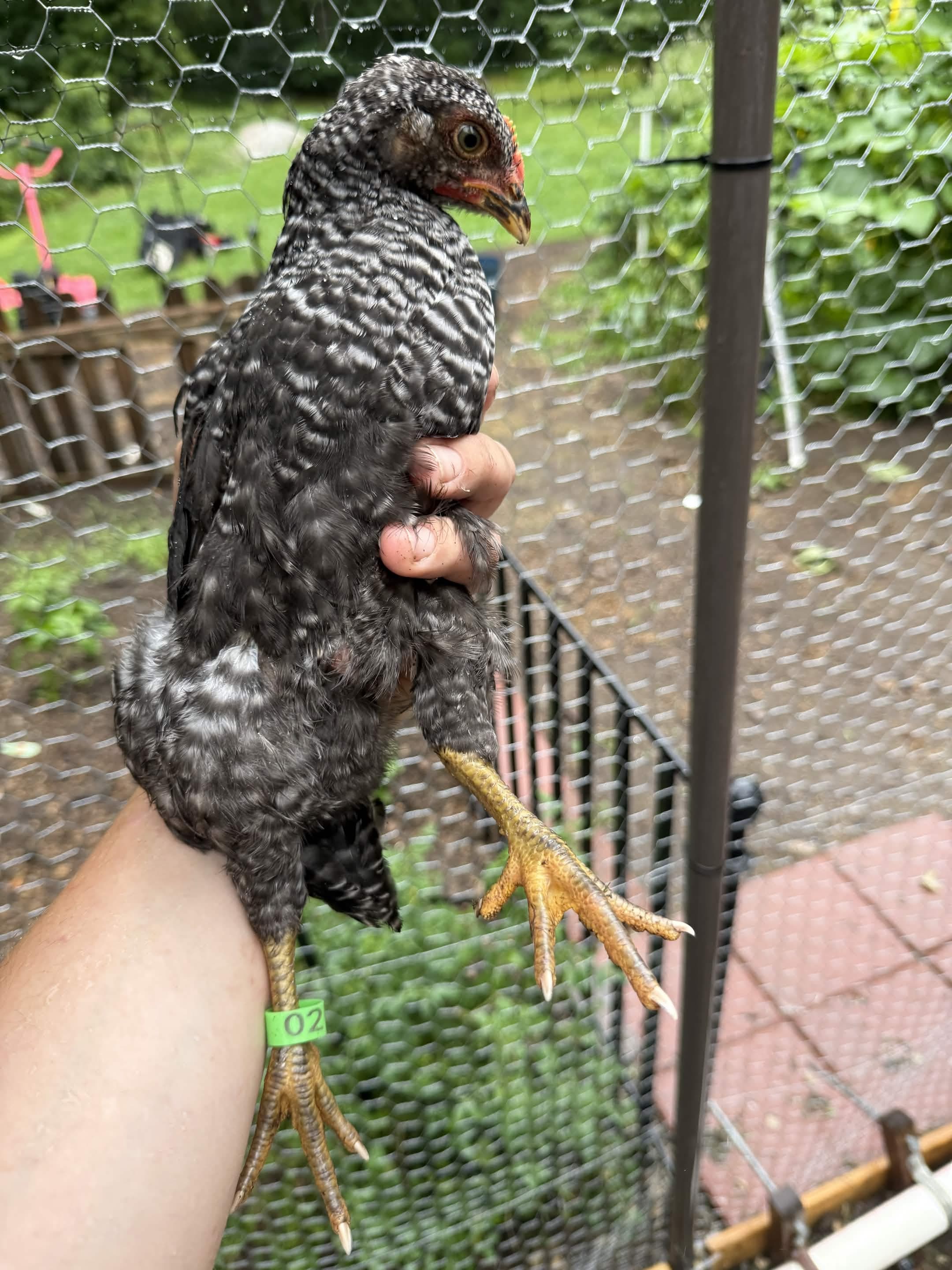
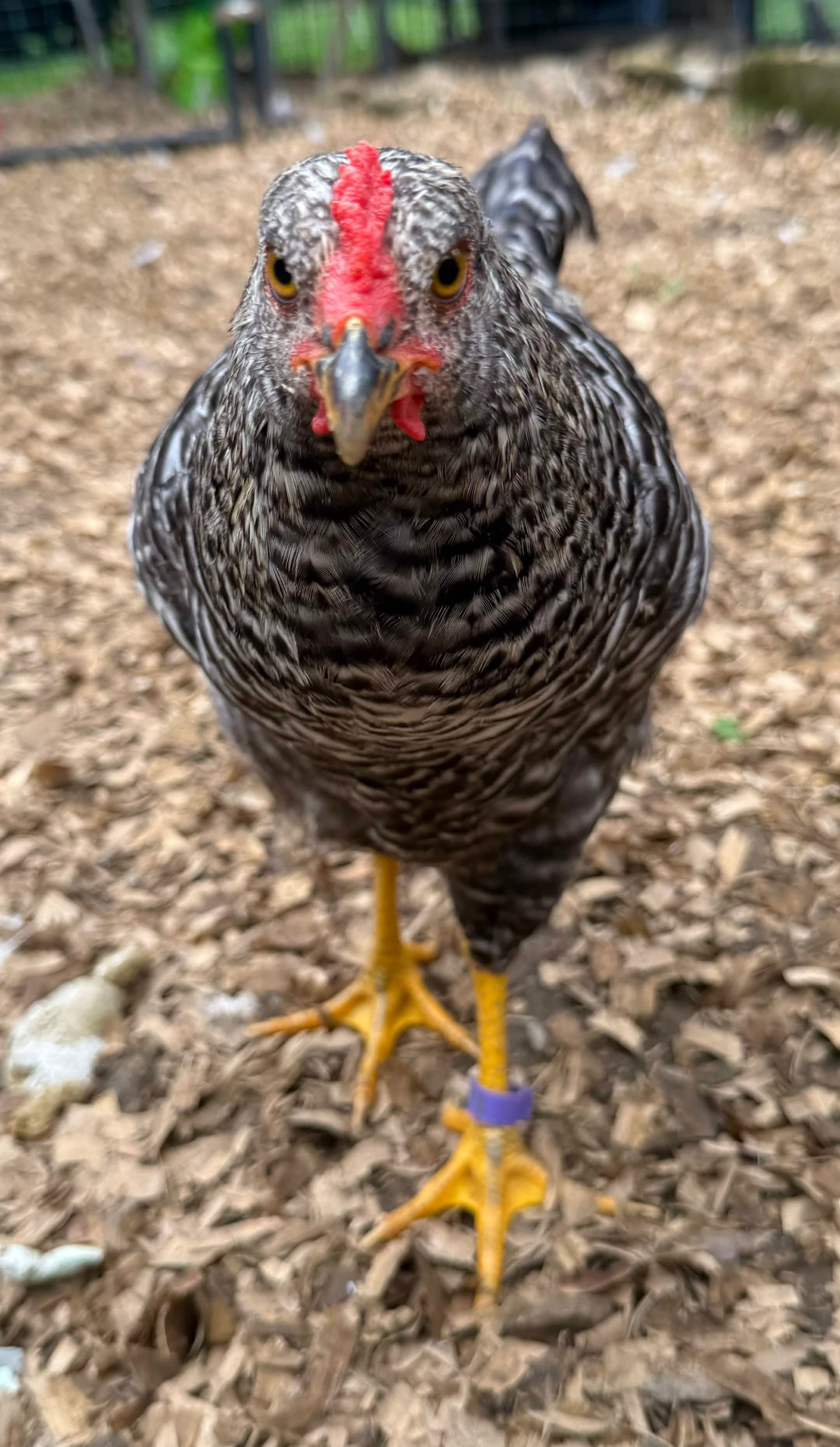
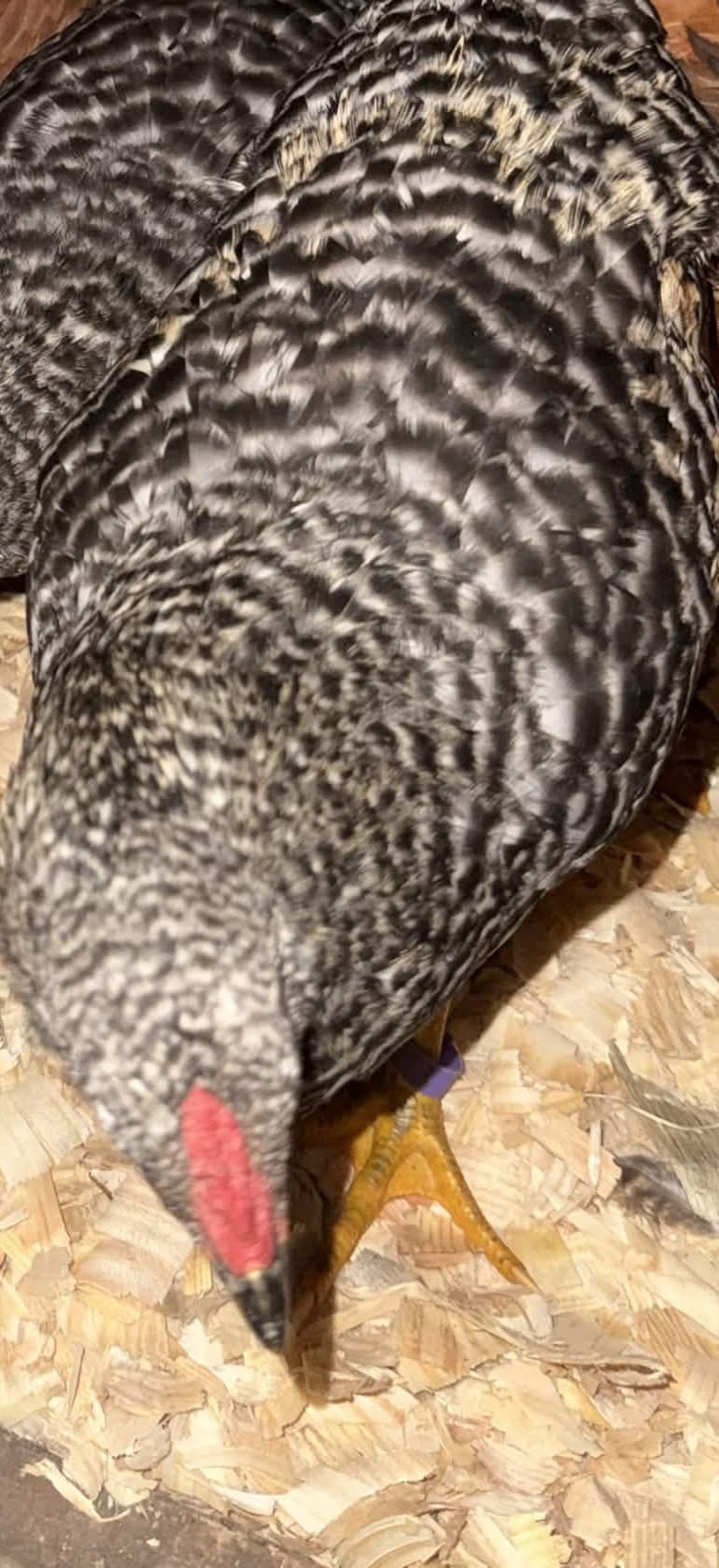
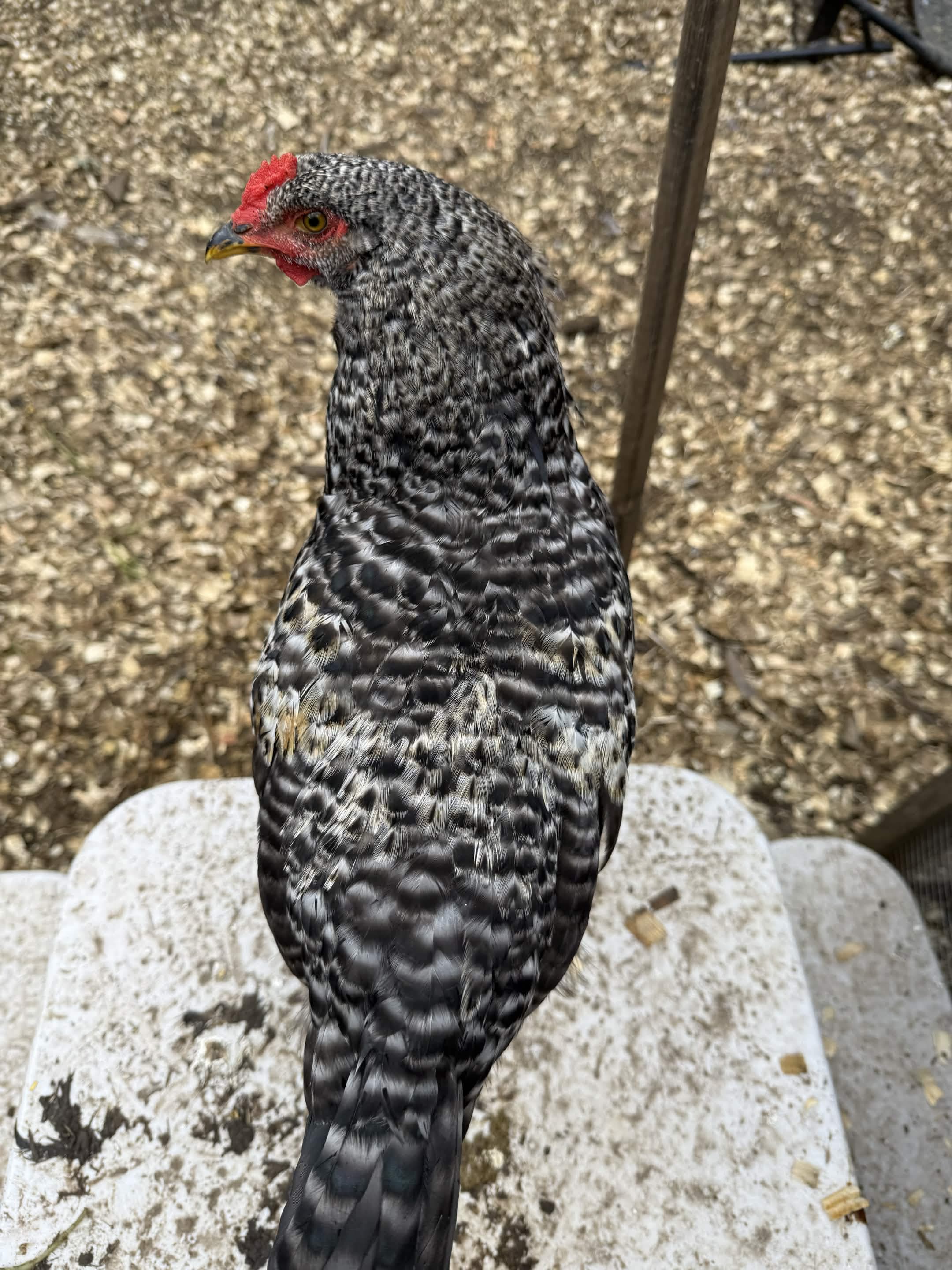
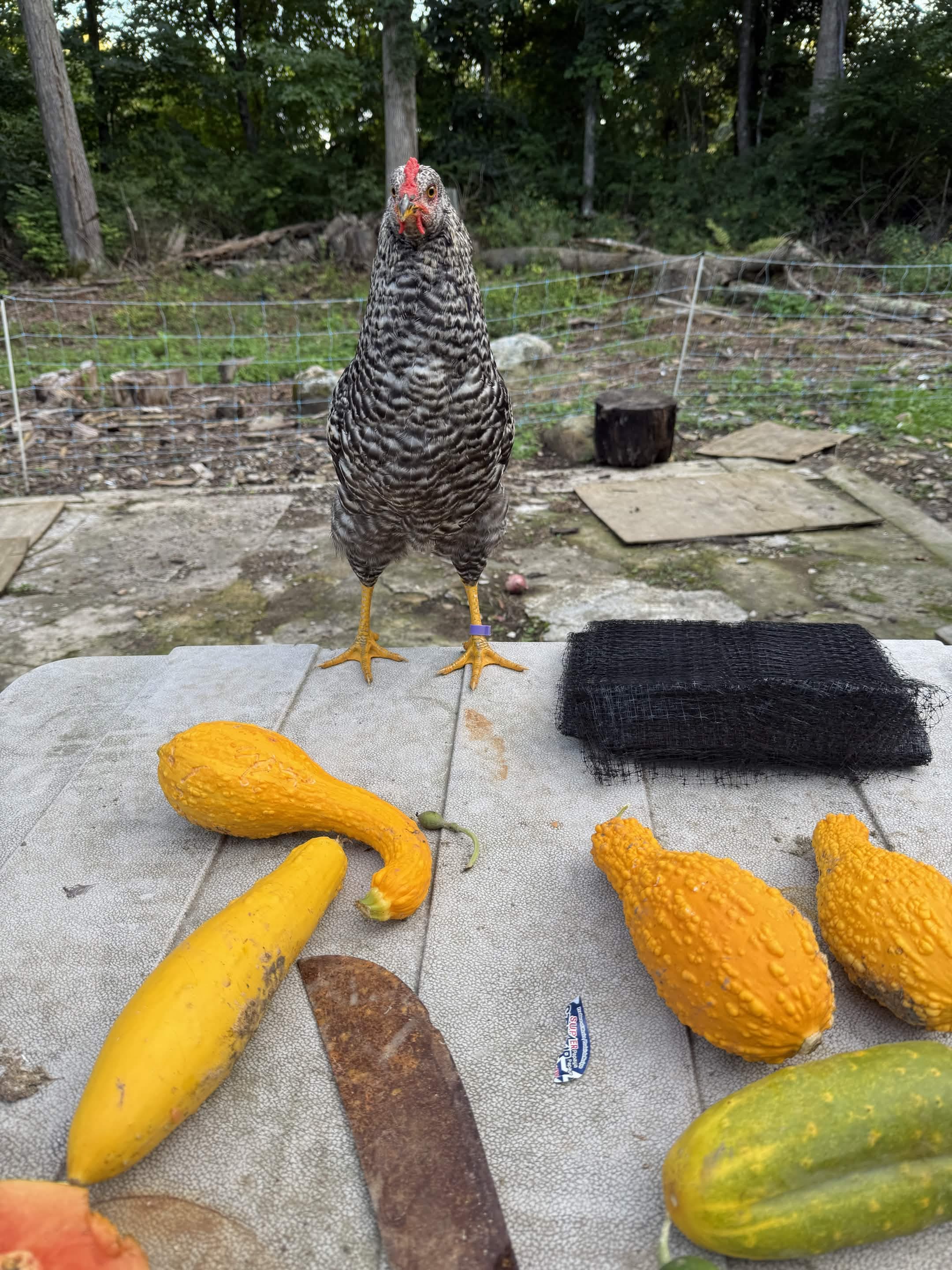
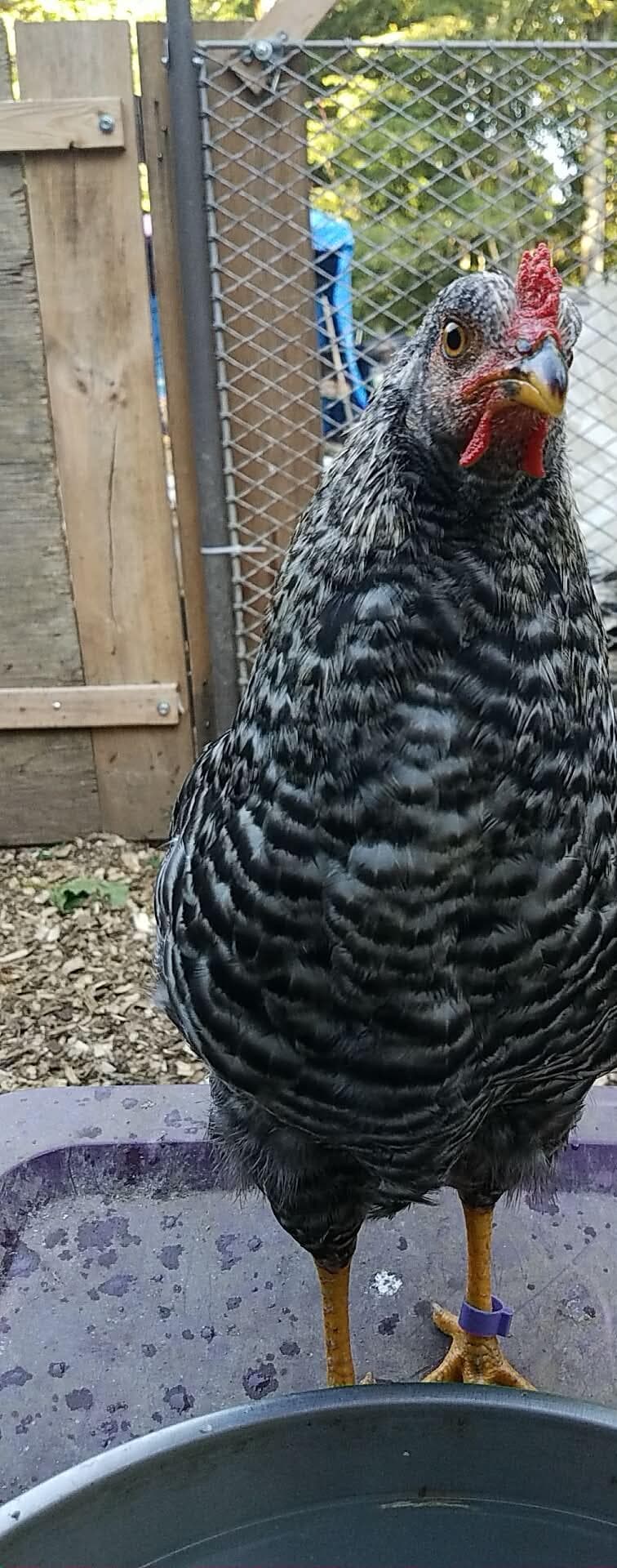
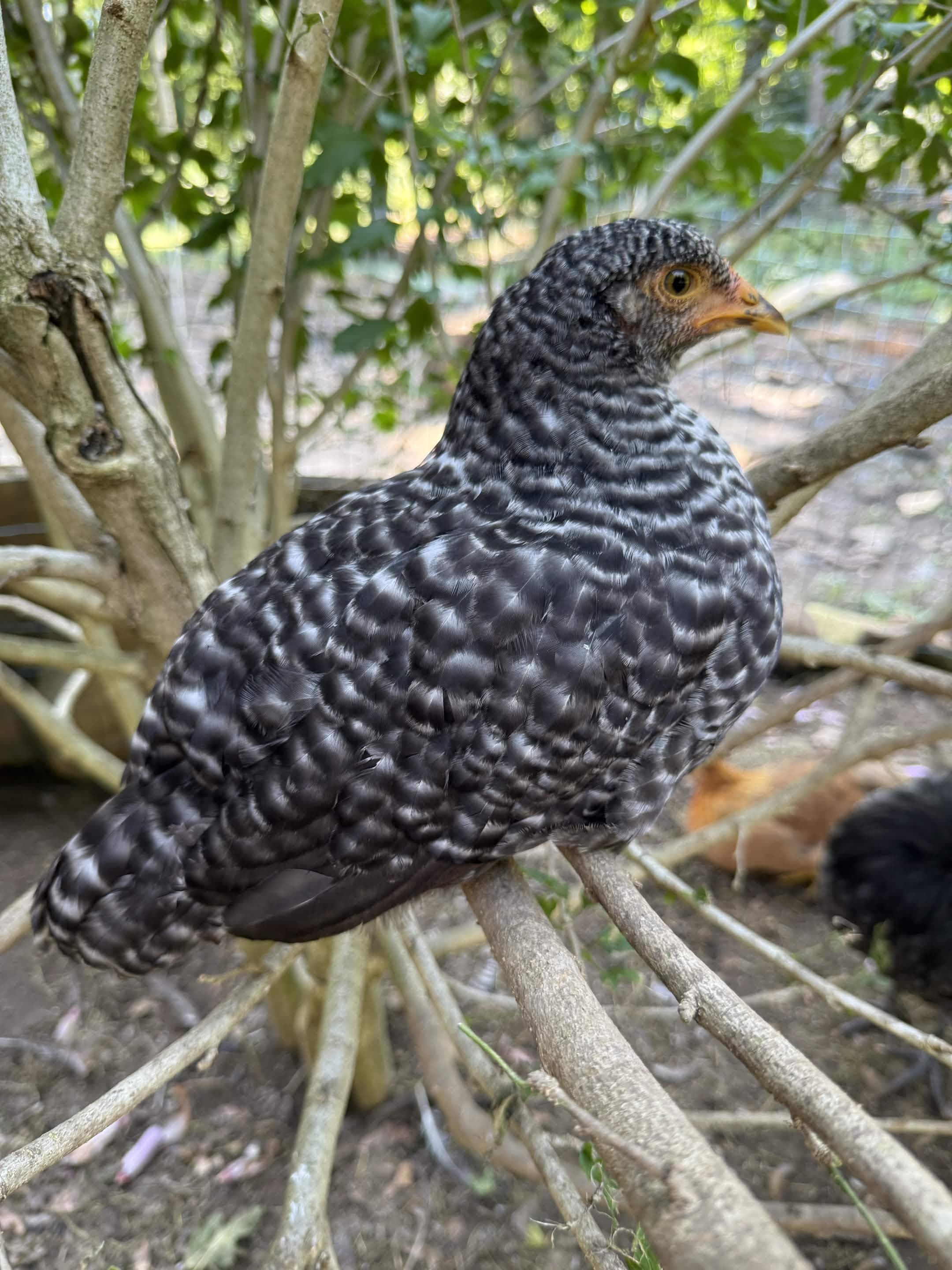
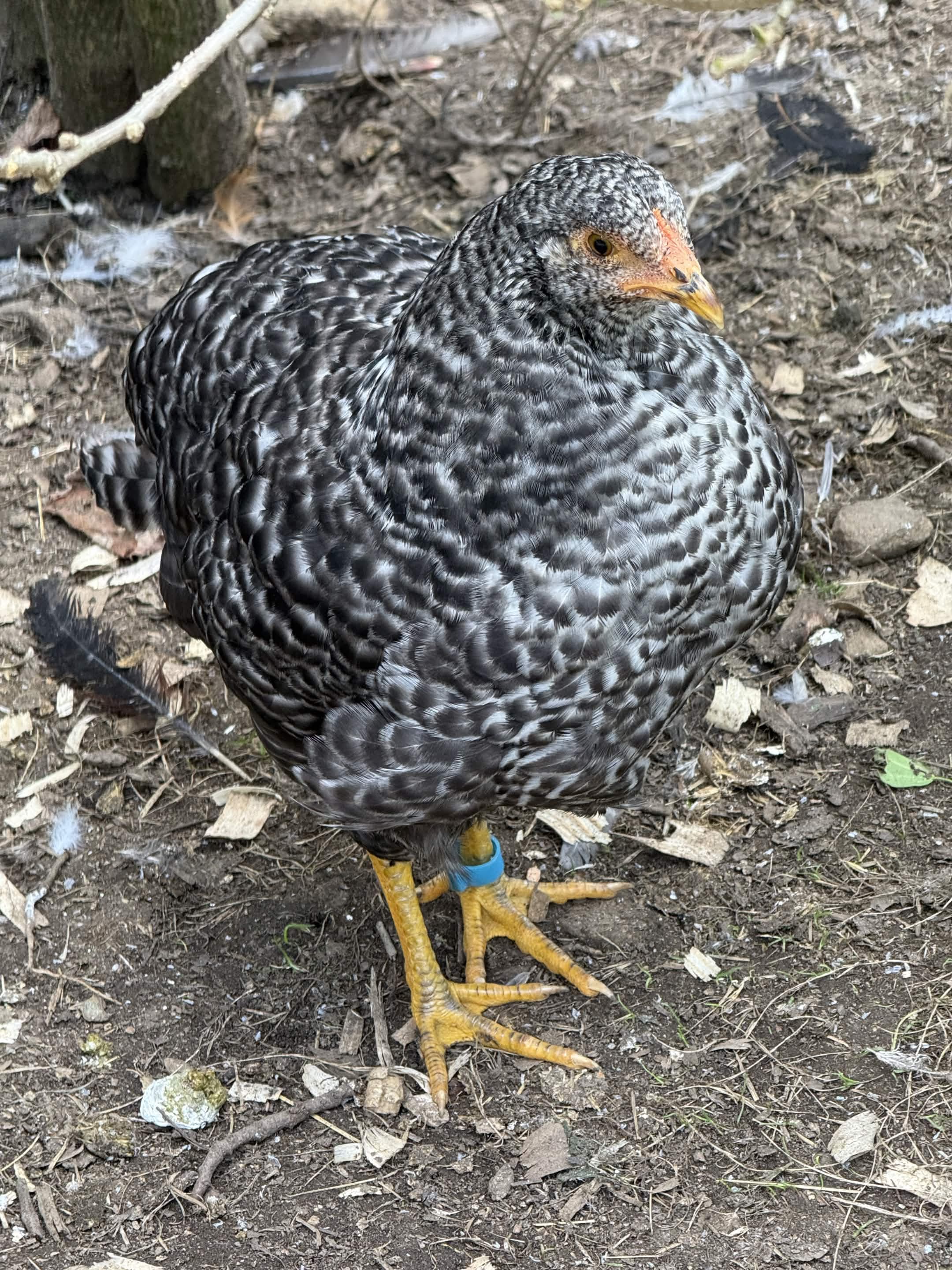
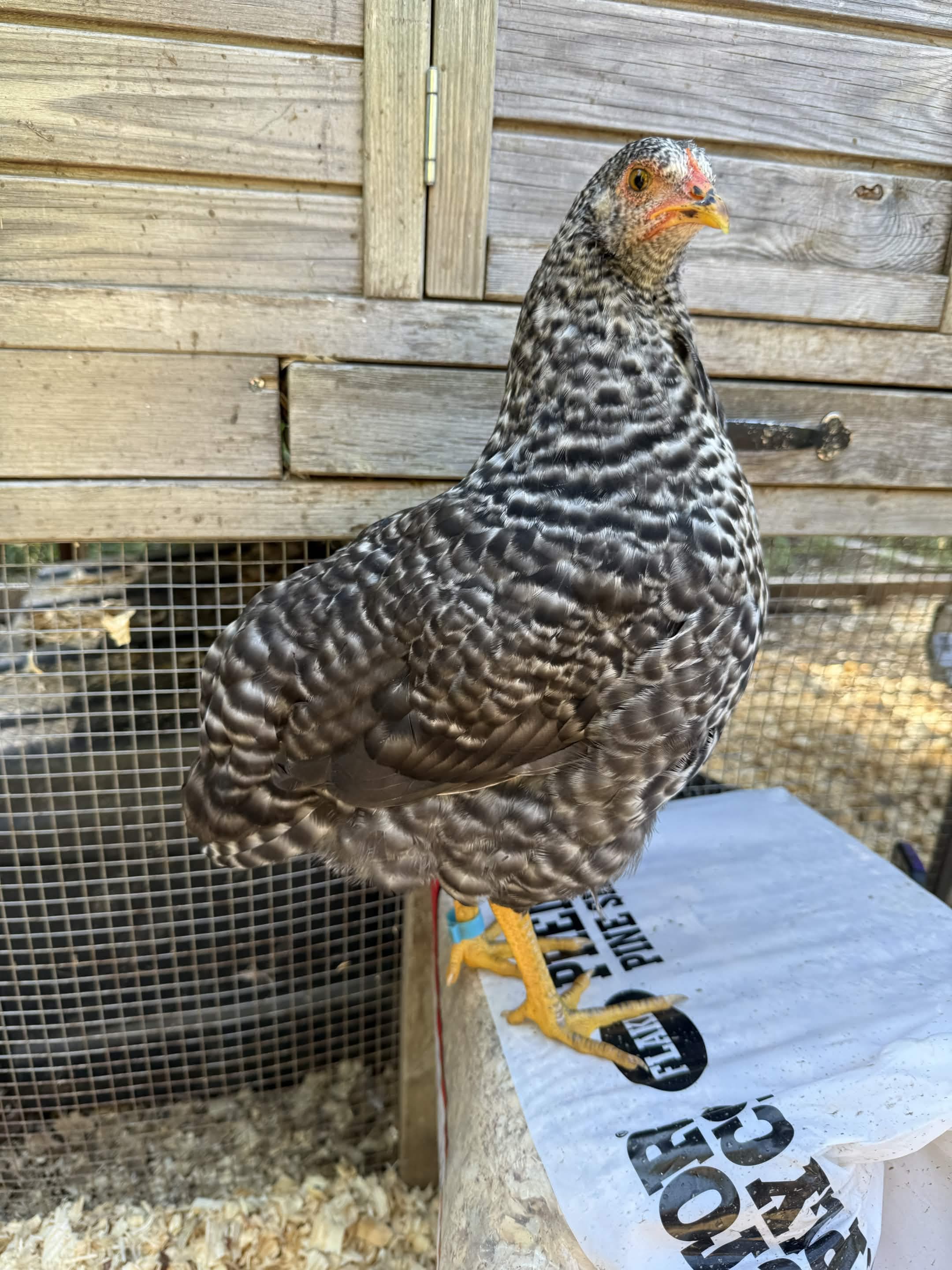
Barred black-and-white hen with a paler white-speckled head and a bare red face; looks remarkably like Adelbird and is colored like the purchased Barred Rocks. Plumage alone cannot tell her apart; her leg band does. Yellow legs.
Second chick of the June clutch.
Growth
Easter Egger lineage (cross TBD)
“Aggressive out the gate — relocated solo from incubator at 21:22 EDT for pecking batchmates and knocking eggs around”
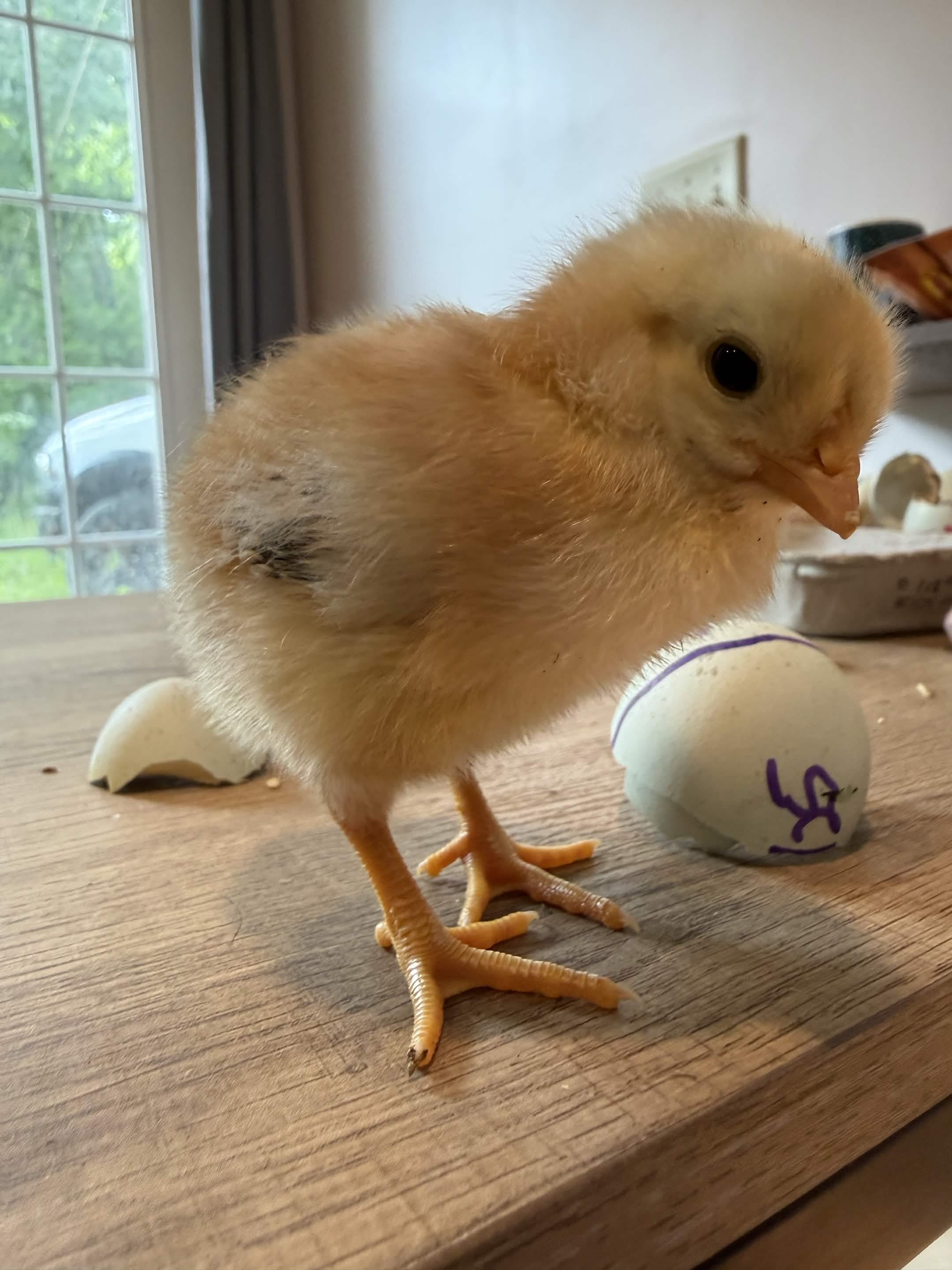
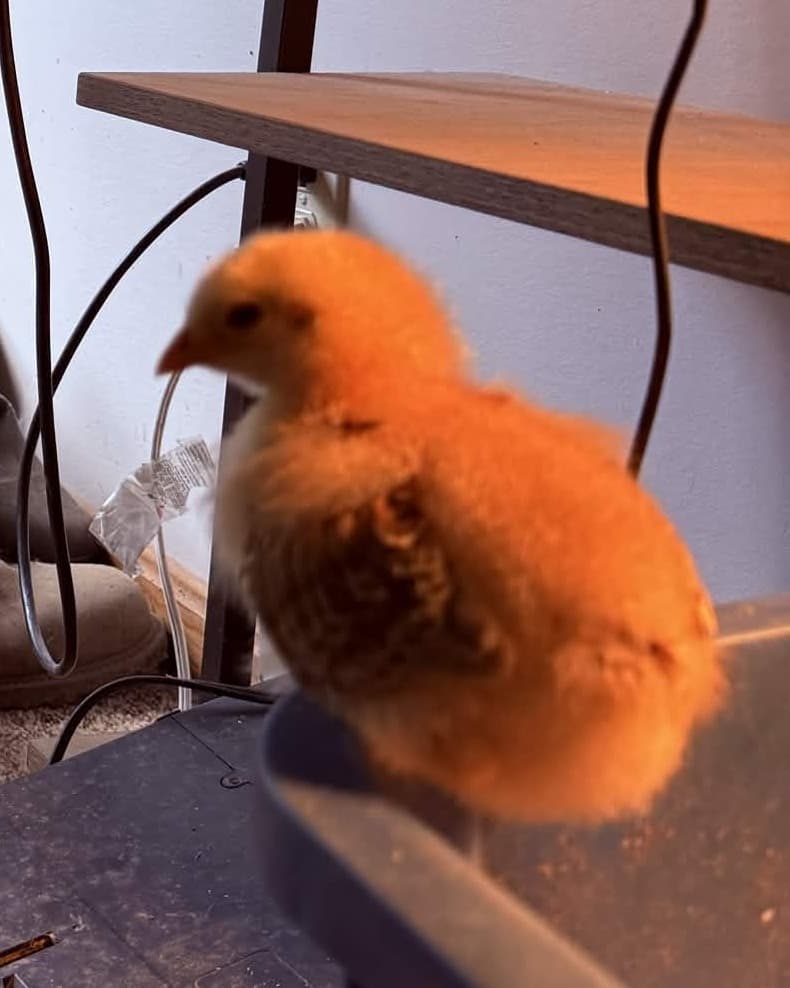
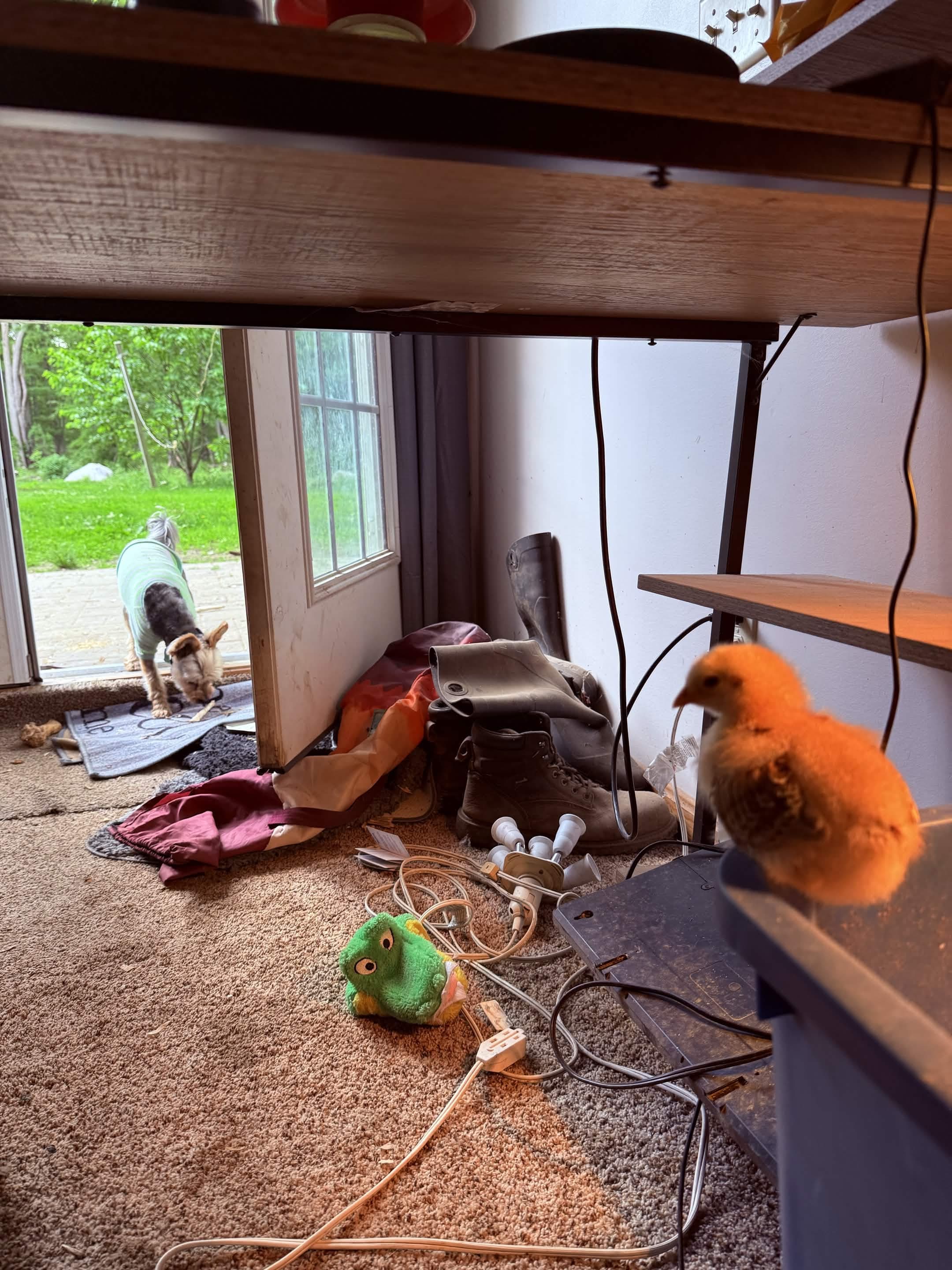
Deep rust-red to mahogany all over, head, neck and body one even colour, with a glossy black tail and a slate-blue bar showing on the folded wing. Red single comb and wattles, yellow legs.
First of three chicks from the April-25 clutch.
Growth
Henriello
fka HenriellaWyandotte × RIR cross
“Was vocalizing distress at 21:23 EDT while Birdthazar was harassing; settled once Birdthazar moved to brooder”
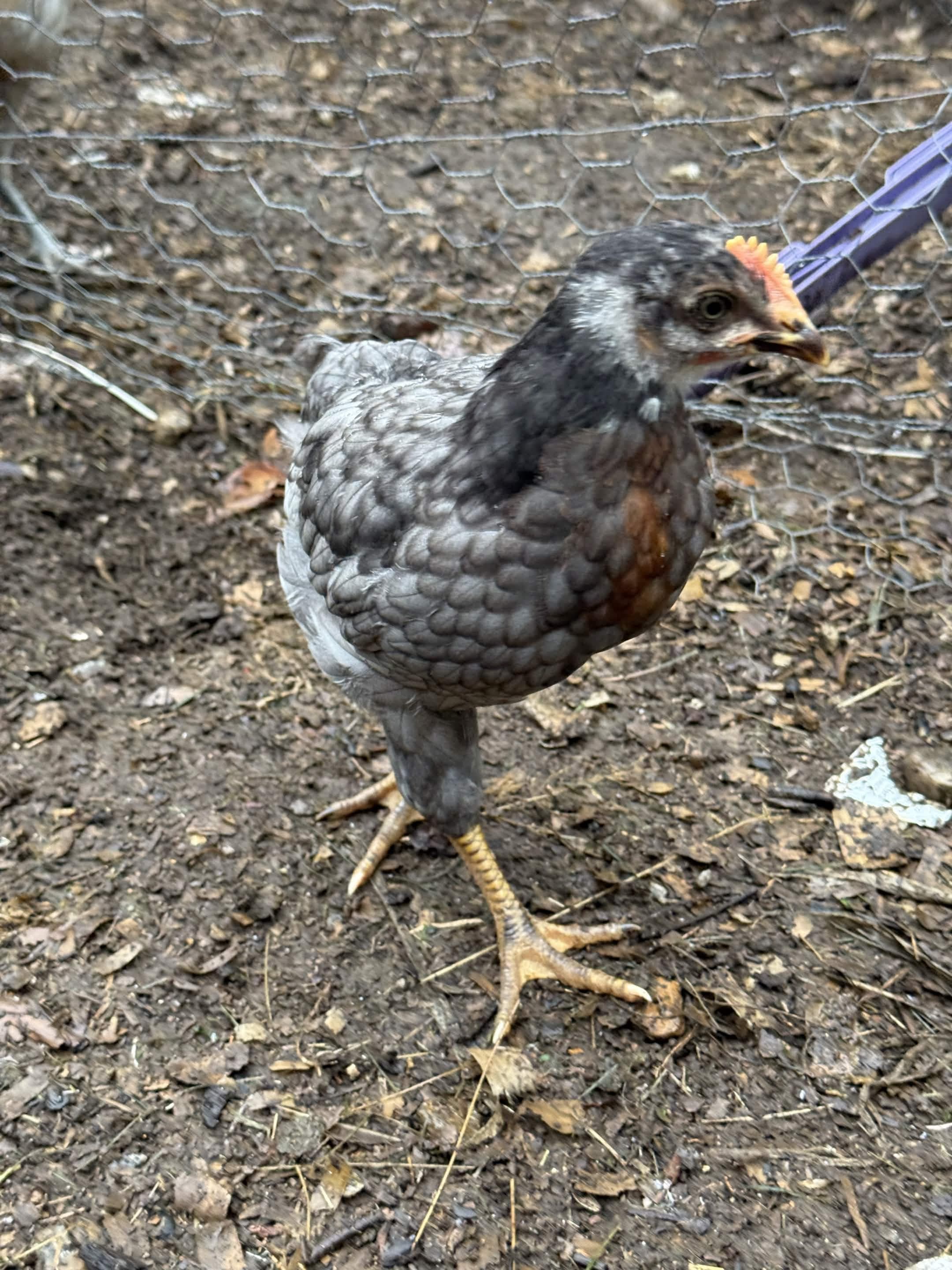
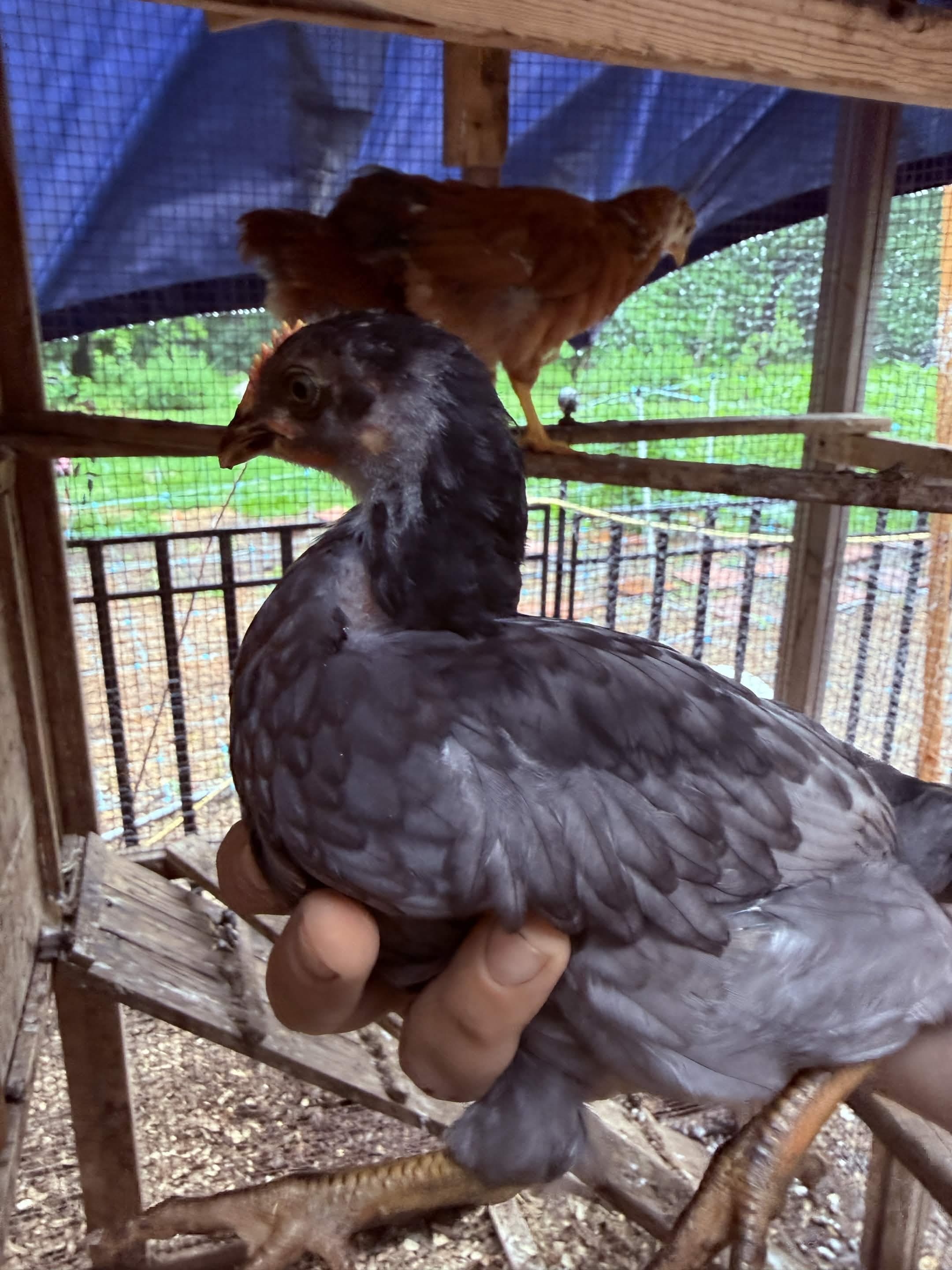
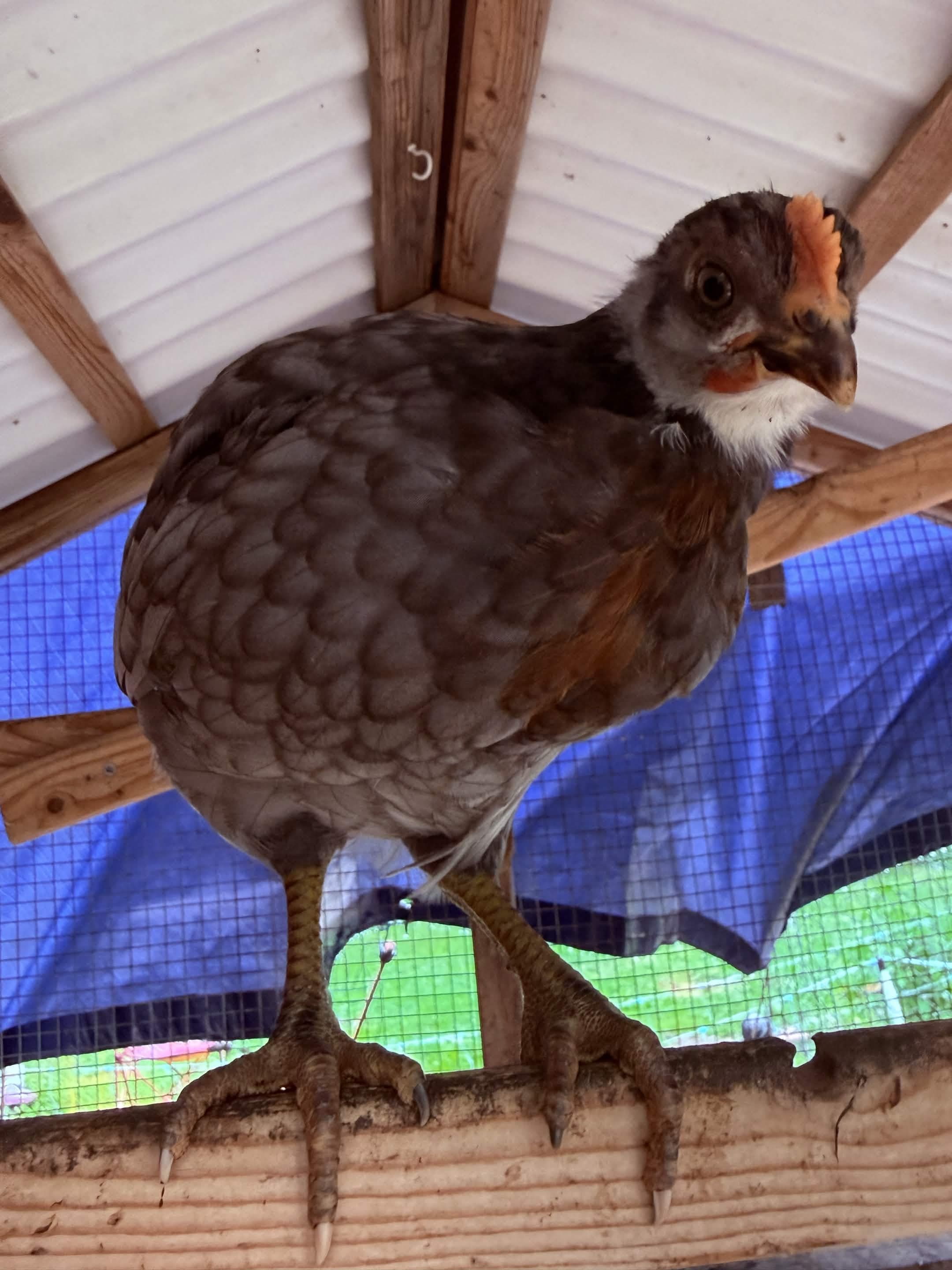
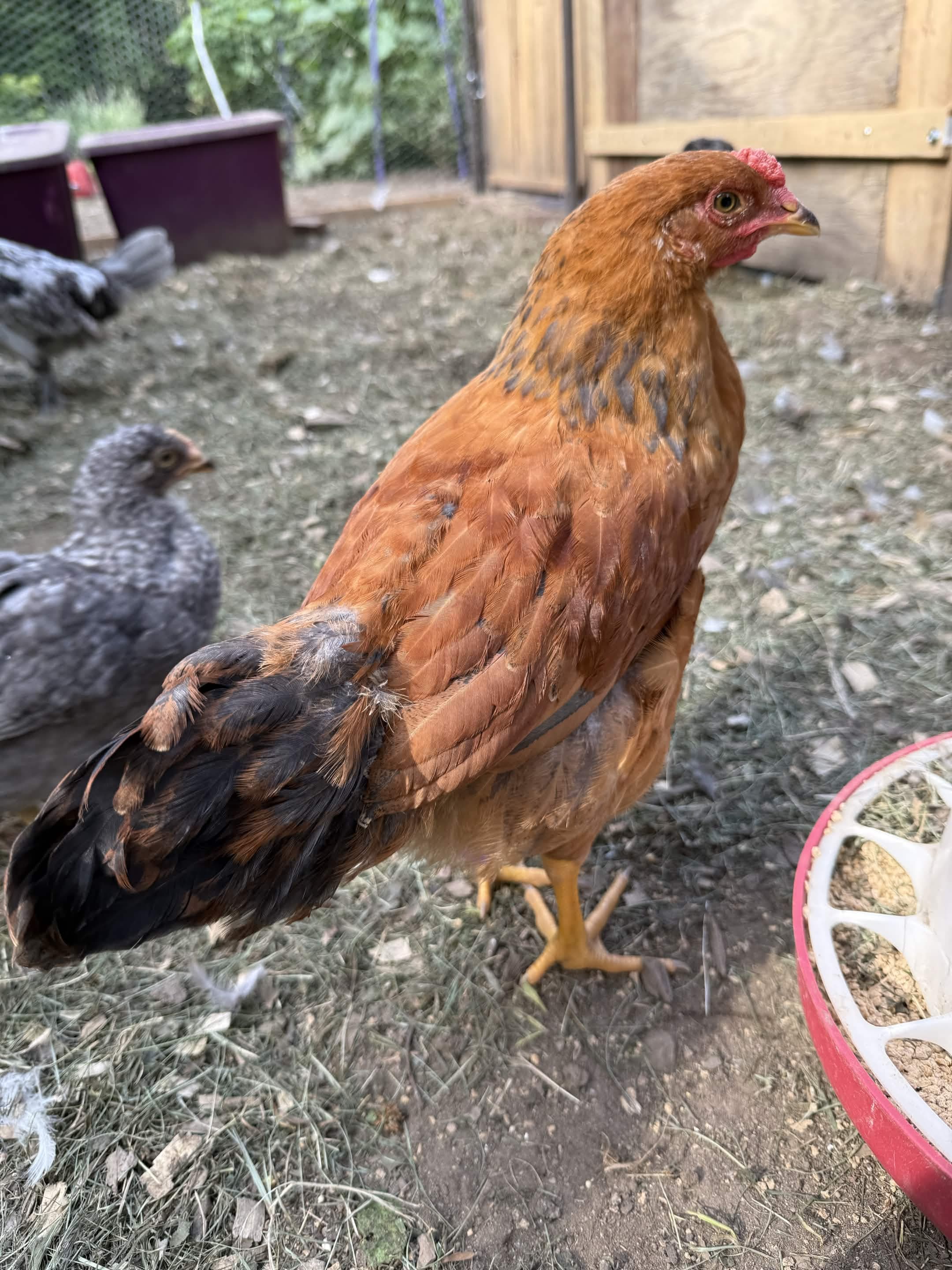
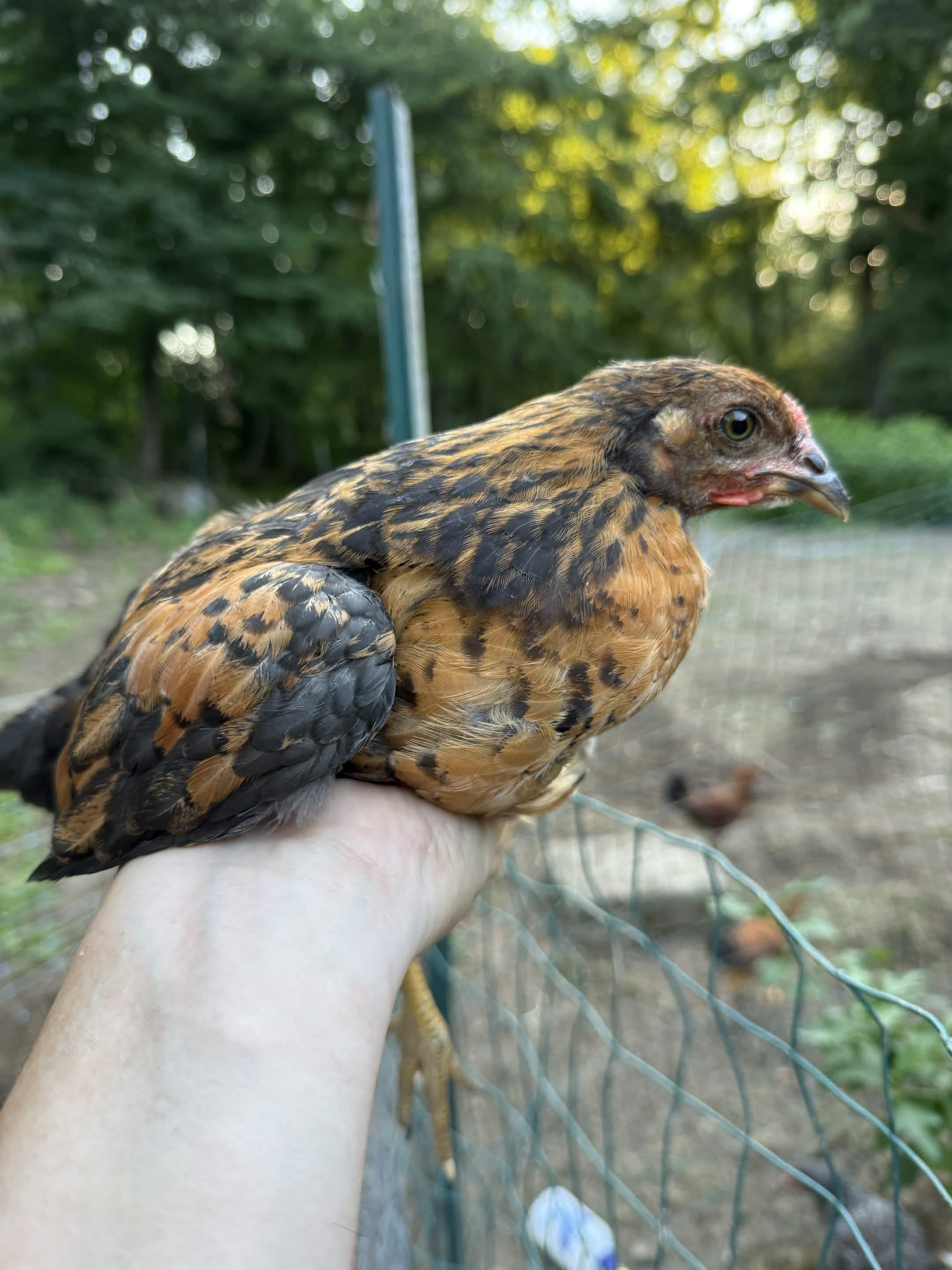
Glossy jet-black head and neck above a slate blue-grey body — the black head is his mark, and no other grey-bodied bird in the flock has one. Chestnut-rust patches on the wing shoulder and down the front of the neck break up the grey. Broad bare red face, large upright red comb and long wattles, gold iris, heavy yellow-orange legs. He is one of the larger and more mature-looking of the young birds.
First chick of the Henrietta line.
Growth
Easter Egger lineage (cross TBD)
“Pip-to-free in ~40 min — vigorous out the shell. 'Big ol' orange dinosaur' per Boss.”
Rich rust-brown all over including the head, with a very small comb and a bare pink-red face. Unlike the similar rust-red Birdthazar, no full red comb and no black tail. Feathers edged slightly darker for a fine scaled look; yellow legs.
Third chick of the April-25 clutch.
Growth
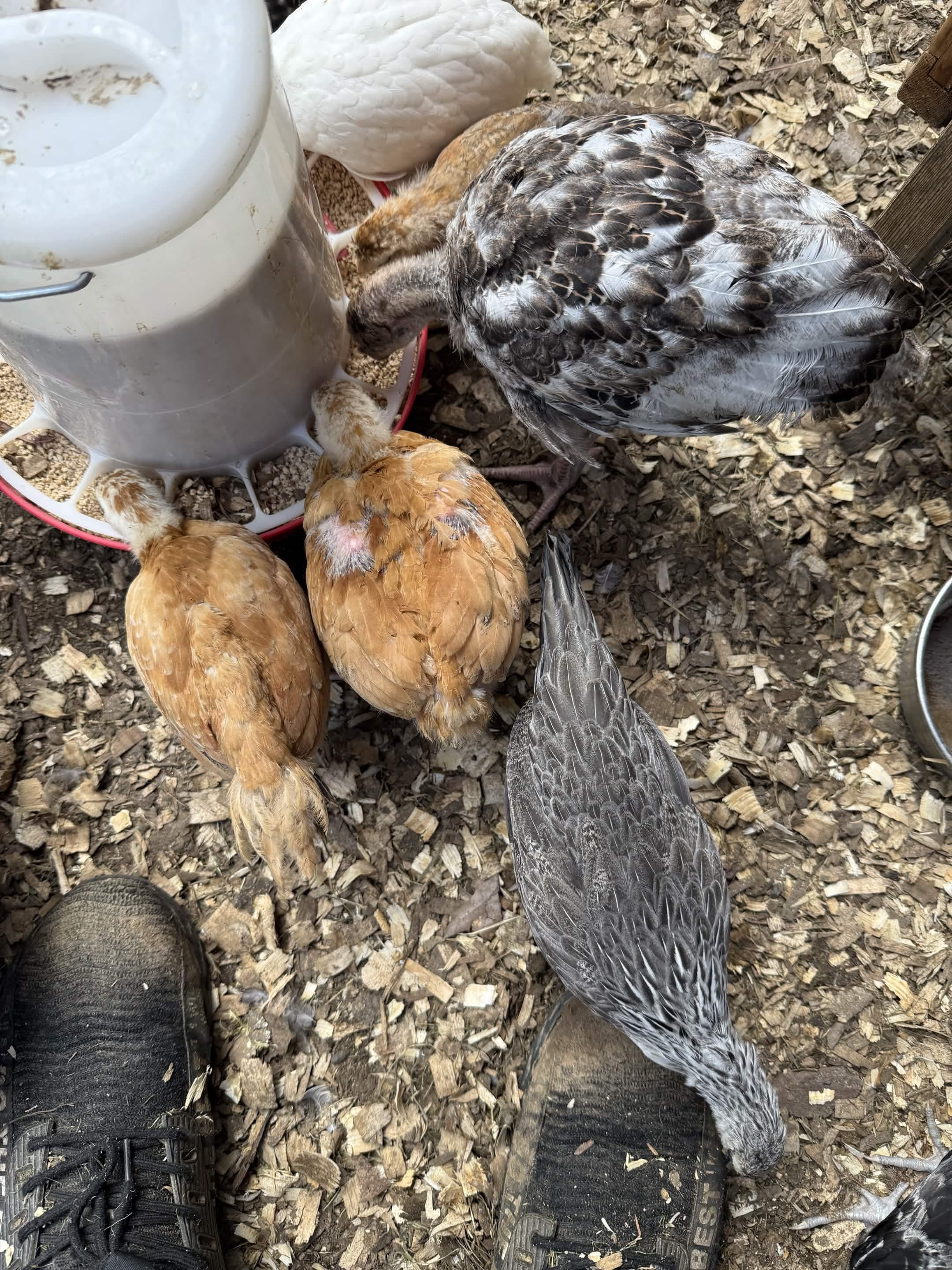
TBD
“TBD”
Breeds resolving as they feather out: at least 2 Buff Rangers (buff/orange, heavy-bodied, fast growers) + a Barred Rock; remainder TBD
Six additional Tractor Supply chicks brought home approximately one week after the 25-April haul; now grown out in Birdcatraz with the April-25 cohort.
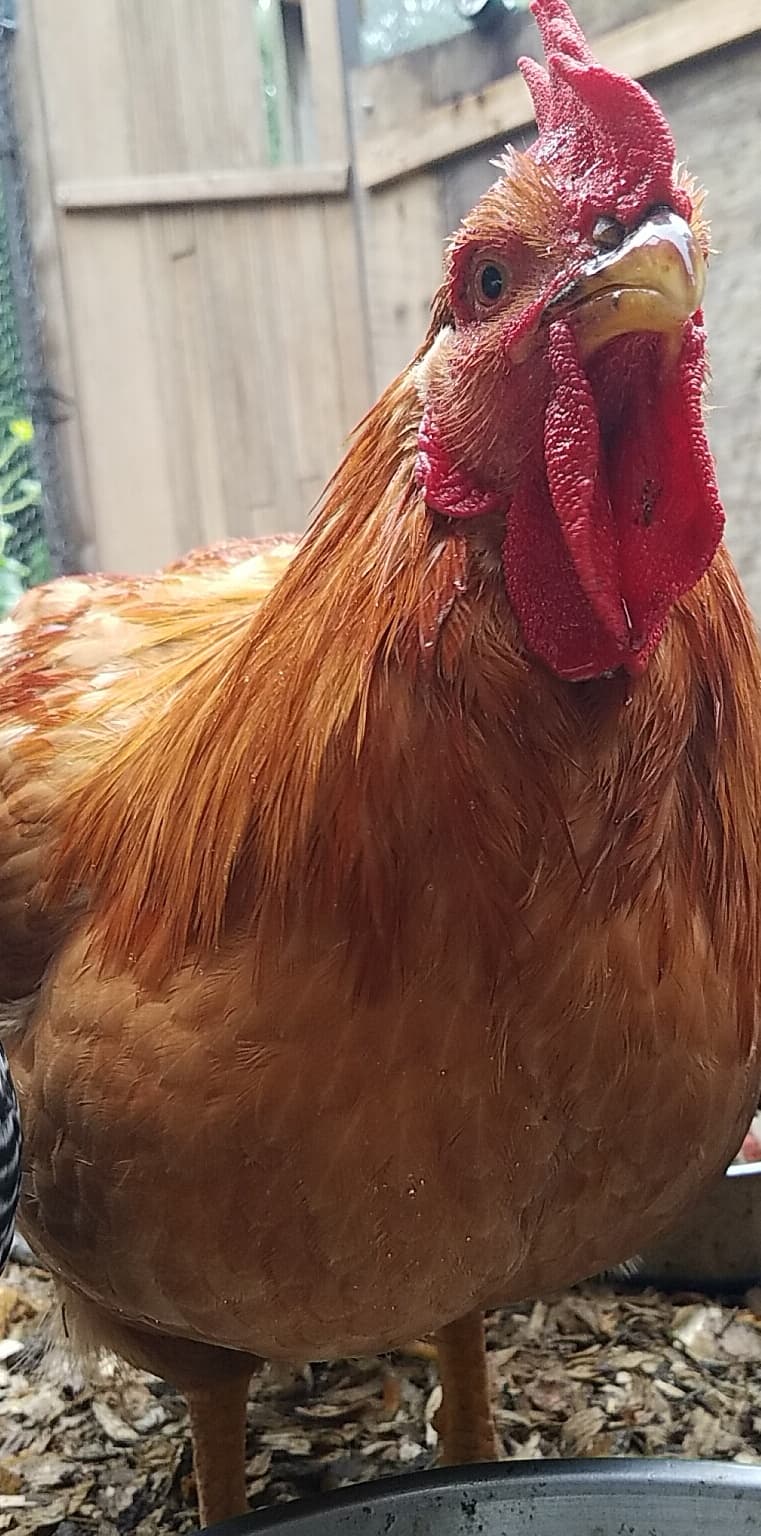
Buff Ranger
“Voracious forager — one of the two 'monstrous little eating machines'”
Buff/golden plumage, heavy-bodied; well-developed red comb and wattles. Right-hand bird in IMG_5948.
Boss-named 2026-06-18 (#meet-the-lobsters).
Growth
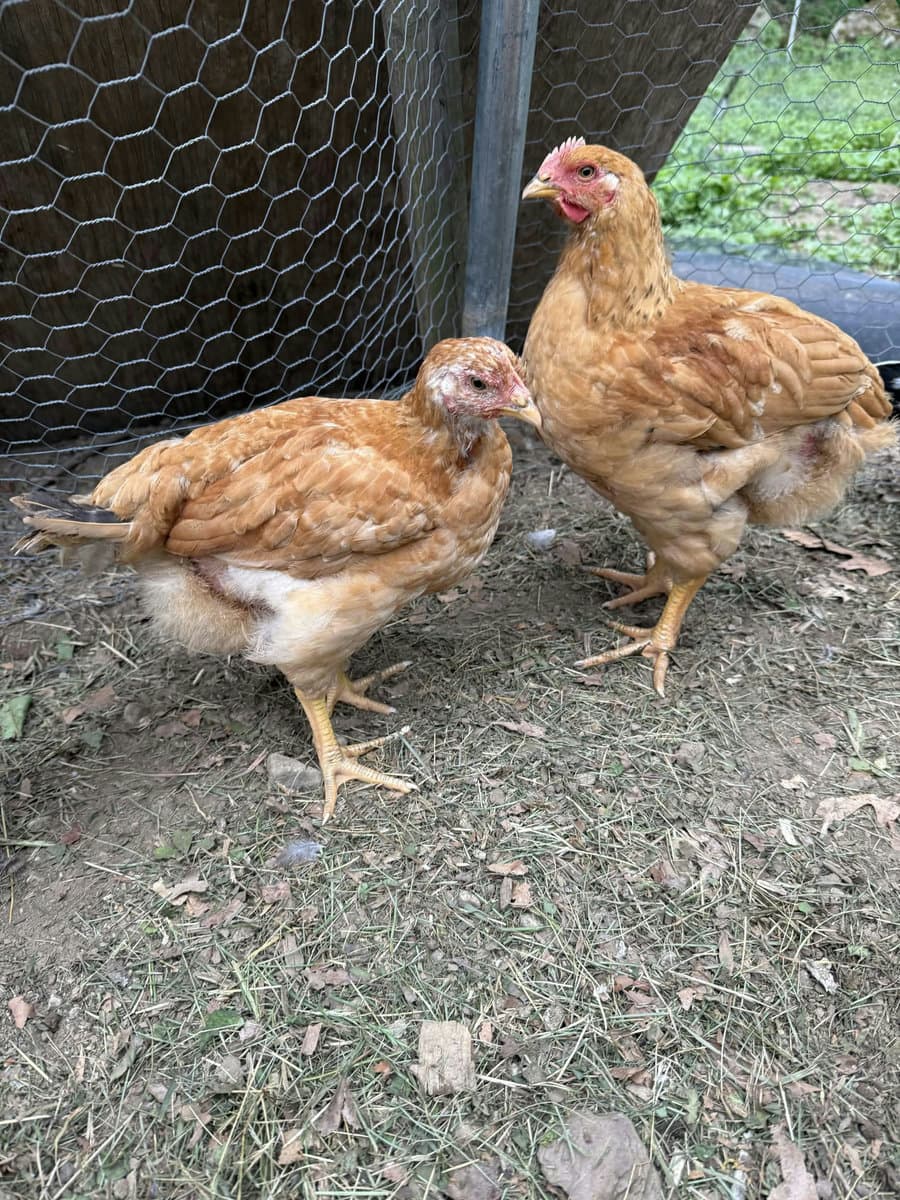
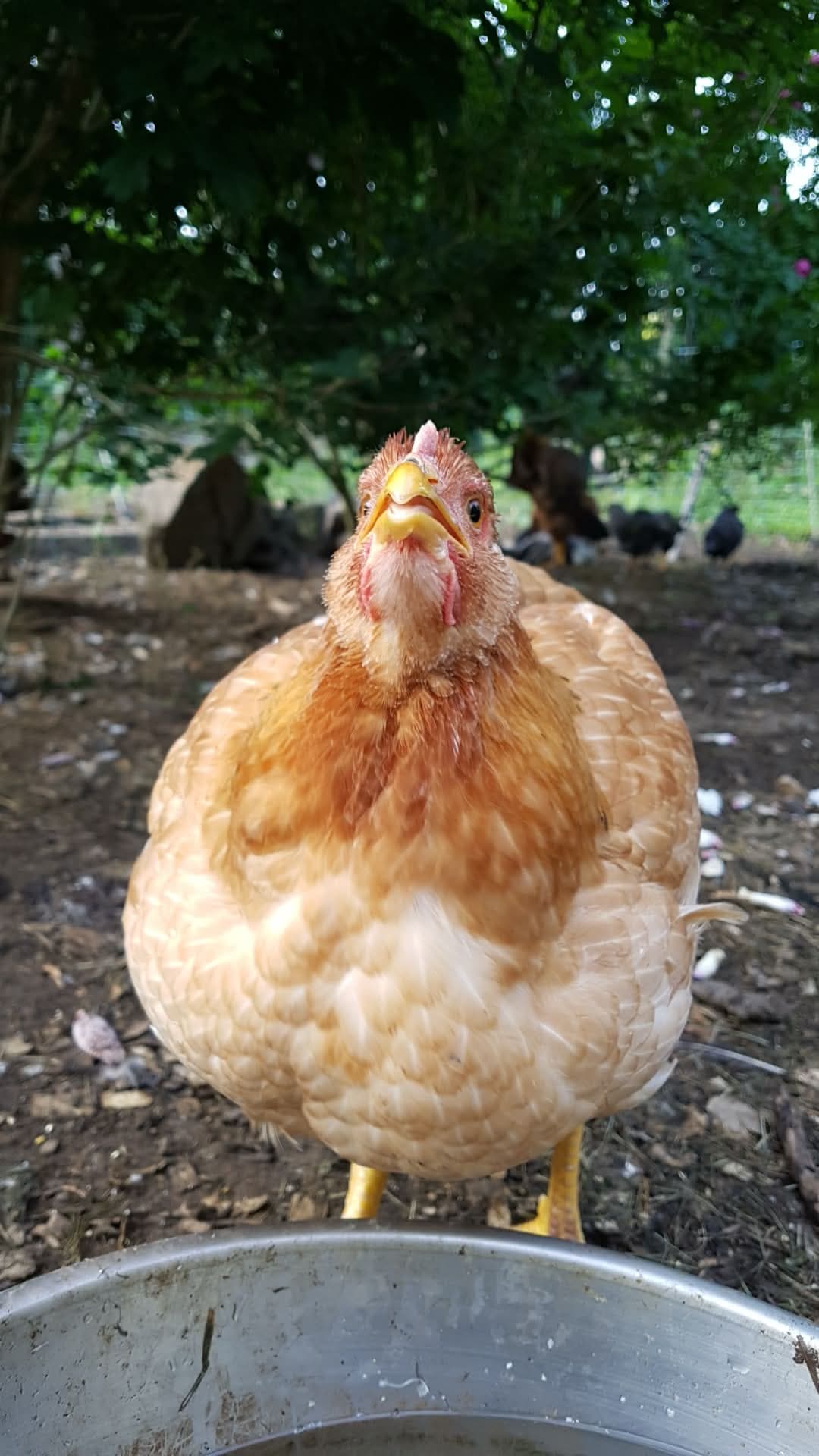
Buff Ranger
“Voracious forager — one of the two 'monstrous little eating machines'”
Buff/golden plumage; younger-looking than Chonkers — less comb/wattle development, some downy feathering still on the underside. Left-hand bird in IMG_5948.
Boss-named 2026-06-18 (#meet-the-lobsters).
Growth
Easter Egger × RIR cross
“Alert, growing fast”
A sharply bounded rust-and-black streaked cape over the head, neck and shoulders that stops dead where the body begins — a copper collar on a solid black bird, visible from across the yard. Body black to near-black with a faint green-blue sheen, no barring, speckling or white. Legs olive-tan mottled grey-brown rather than clean yellow. (Plumage from 23-Jun-2026 and five weeks stale; that frame showed neither the blue eyes nor the white wing and belly tips previously on file, and both shanks were bare where the roster puts orange #10 — she needs re-checking.)
Birdadonna's offspring — egg laid 03-April-2026, hatched day-22, making her the first second-generation chick of the breeding program (dam Birdadonna, sire window Little Big Red Junior).
Growth
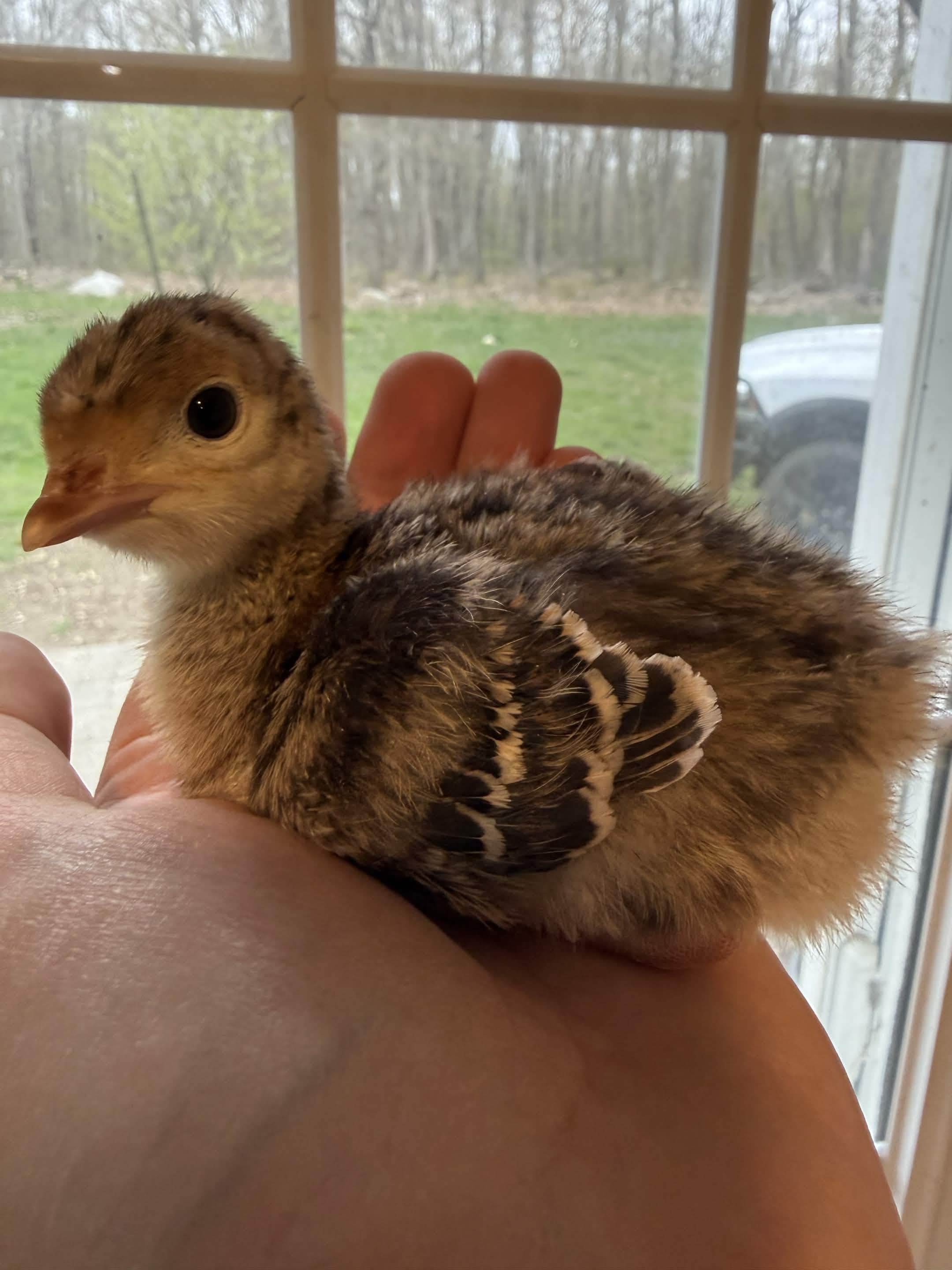
Bronze Broad-Breasted Turkey
“Social, curious, imprinted on handlers”
Gray-bronze juvenile plumage, necks baring as the adult heads come in — first bronze turkeys on the farm
2 Bronze Broad-Breasted turkeys from TSC.
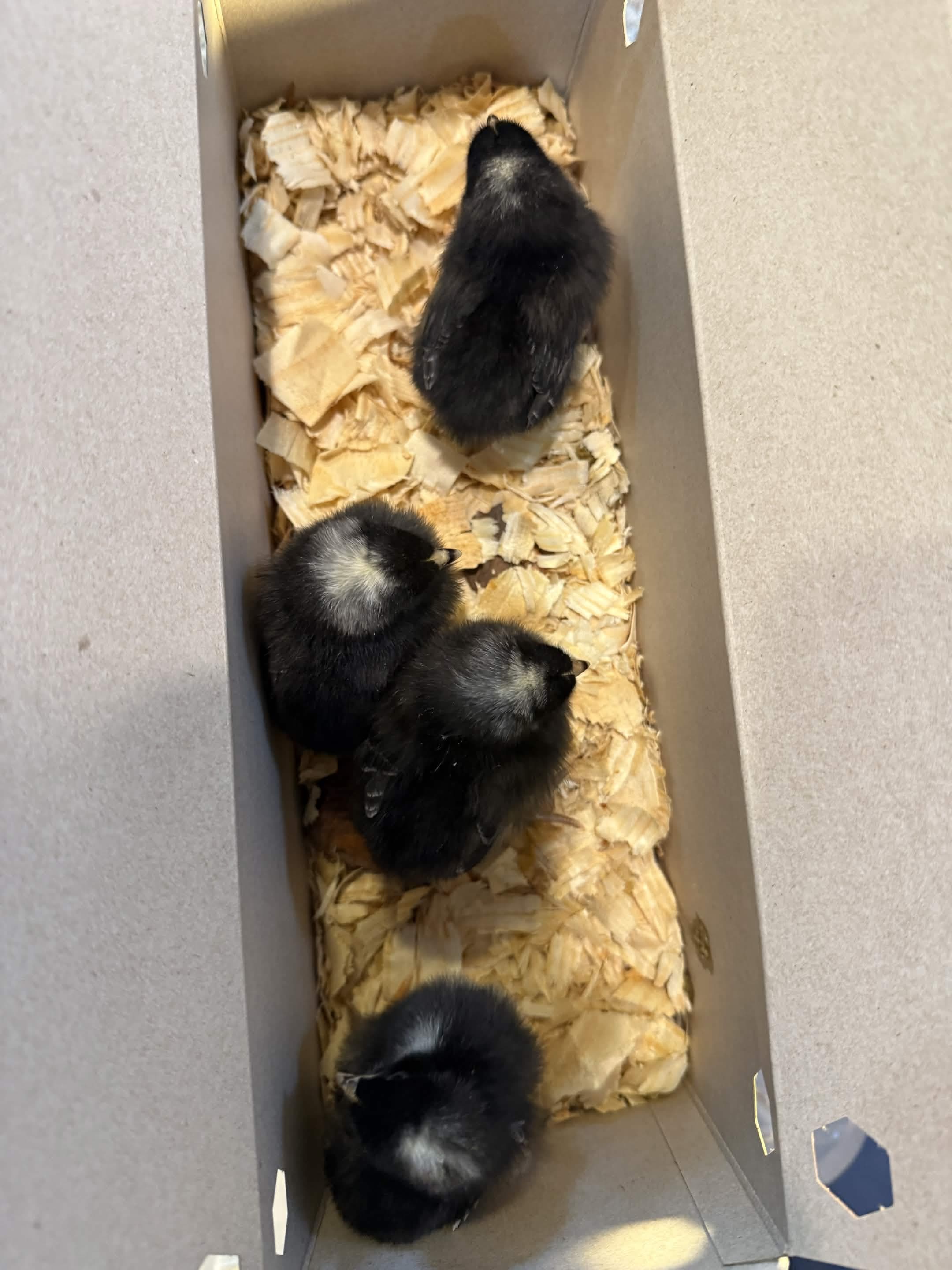
Barred Plymouth Rock
“TBD”
Classic black-and-white barring in — the checkerboard birds of the run
2 Barred Plymouth Rocks from TSC (25-April haul).
Plymouth Rock (variety TBD)
“TBD”
Plymouth Rock variety, exact sub-variety still to confirm from the adult plumage (Speckled/Mottled, Partridge, or other)
2 Plymouth Rocks from TSC alongside the Barred Rocks.

Mixed — Exotic Island Fowl Special (5) + Rare Chick Special (10)
“Active, feathered out — breeds resolving from adult plumage”
Varied — assortment of rare and exotic breeds
Cackle Hatchery batch from the 08-April-2026 arrival: Exotic Island Fowl Special + Rare Chick Special.
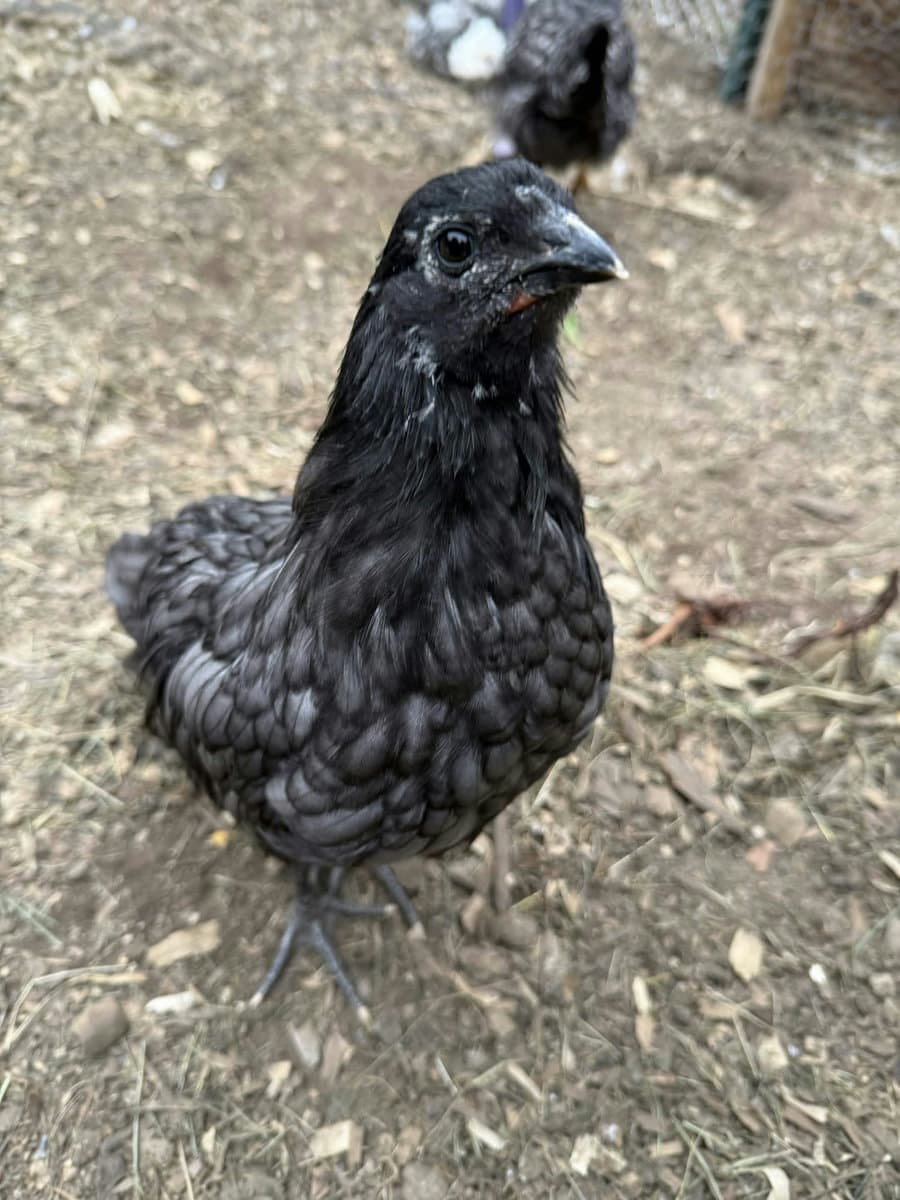
Bantam (breed TBD)
“A favorite of the Boss”
Black cockerel with grayish lacing / scaled feather pattern across the body, a few small white feathers on the head and neck, slate-gray legs.
Boss-named and called out as a FAVORITE 2026-06-18 (#meet-the-lobsters).
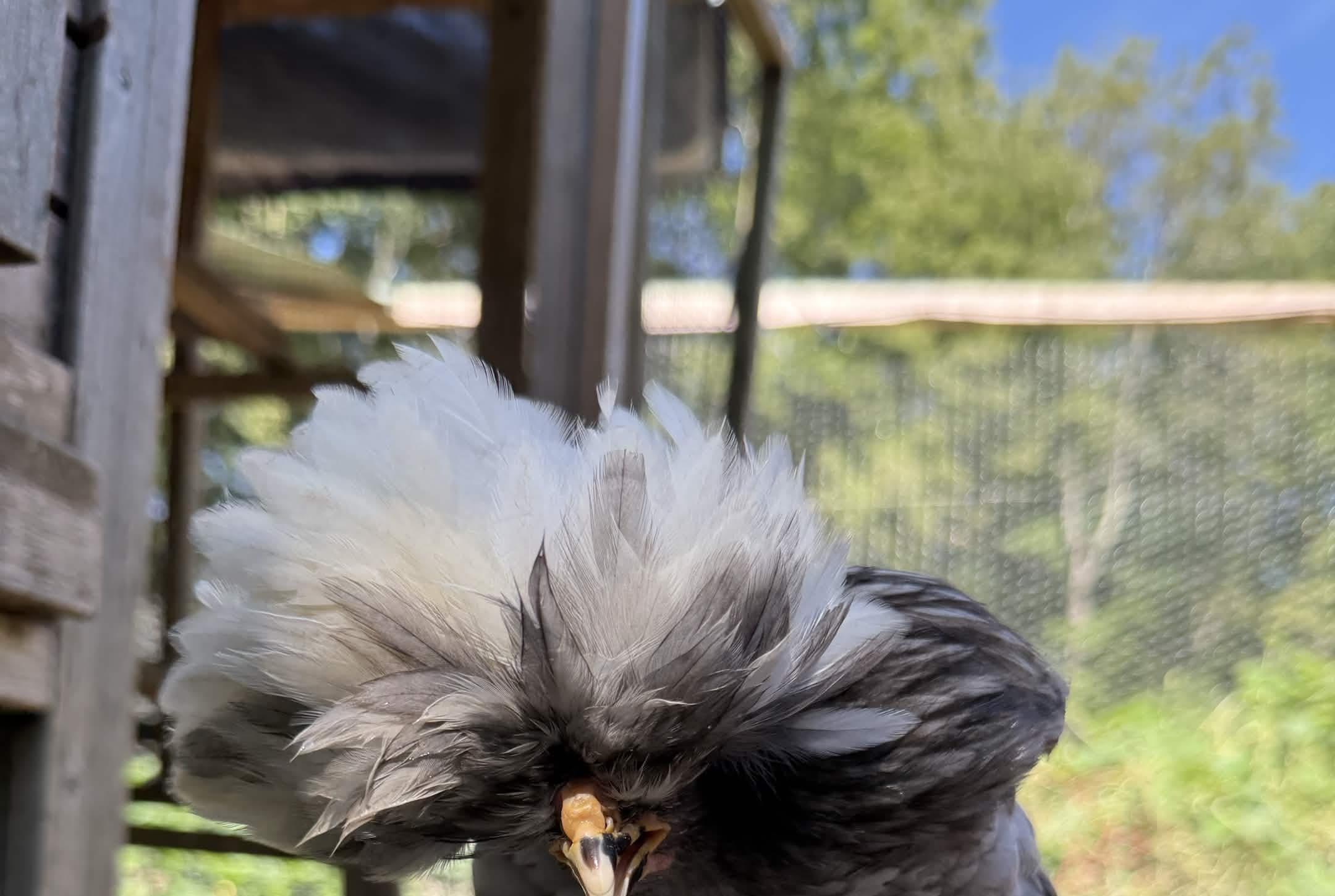
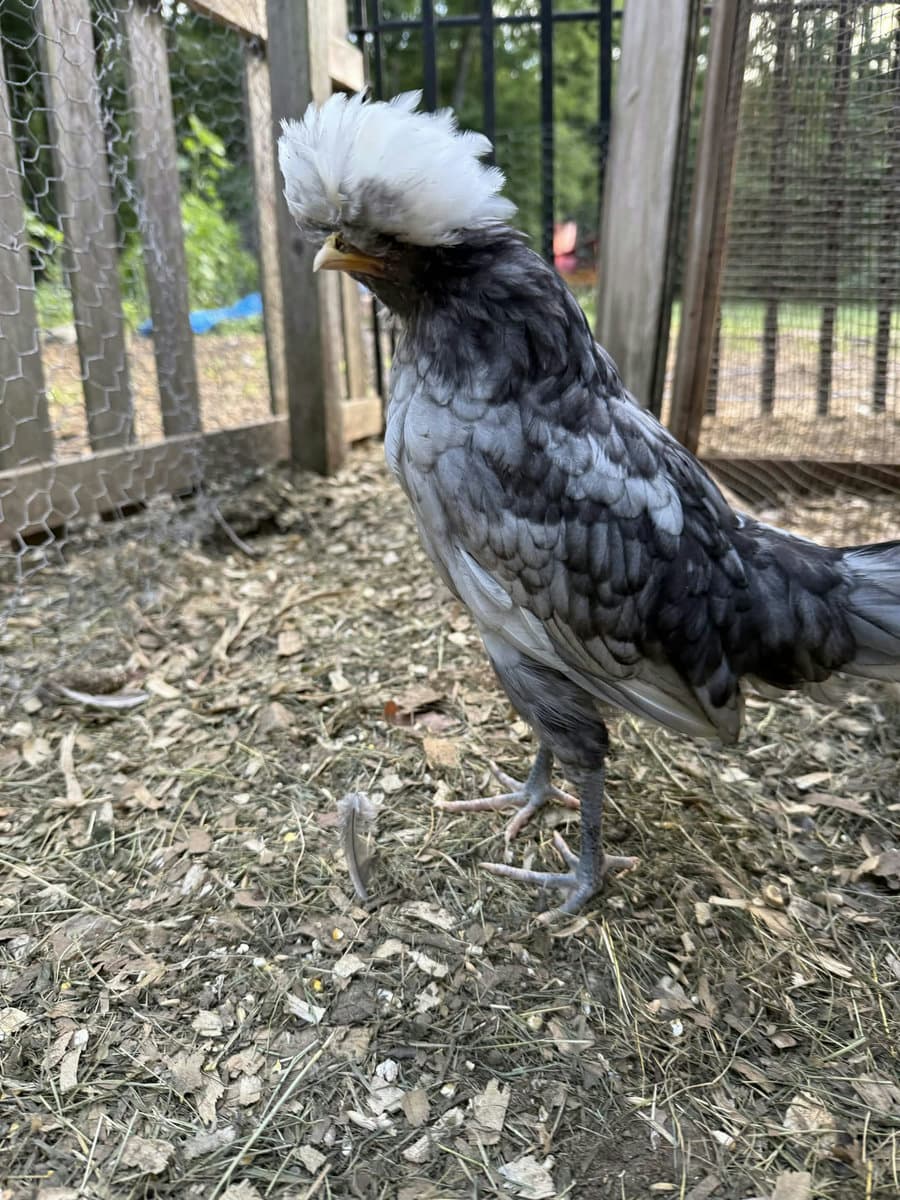
Polish (bantam)
“Boss's 'hunchback bantam' — carries a distinctly hunched, rounded-back posture, hence the Quasimodo namesake”
White-crested Polish bantam: big rounded white/cream head pouf, blue-gray (slate) body feathers with darker black lacing, slate-gray legs, yellow beak.
Boss-named 'Quasibirdo, my hunchback bantam' 2026-06-18 (#meet-the-lobsters).
Growth

White Broad-Breasted Turkey
“Social, curious, imprinted on handlers”
Full white adult plumage, red heads and wattles in color
3 White Broad-Breasted turkeys.
Brahma or Cream Legbar (uncertain)
“Active, alert”
Fully feathered juveniles — breed to confirm from adult plumage
Originally 4 chicks from Tractor Supply, straight run (unsexed), Brahma or Cream Legbar — breed uncertain.
Red/Gold Laced + Blue Laced Red Wyandottes (3) — Boss-corrected 2026-06-26 (was mis-logged as incl. 3 Cream Legbar)
“Active juveniles, well integrated”
Varied Wyandotte lacing coming in — Blue Laced Red Wyandottes show slate-blue lacing and a slate-blue tail on a rust-red ground; Red/Gold Laced show dark lacing on a gold ground. Juvenile head feathering can look like a small tuft but is NOT a crest (rose comb, not a Polish/Legbar crest).
The first juvenile cohort of 2026, purchased early-March from Tractor Supply; started in the March nesting-box setup, graduated to the coop.
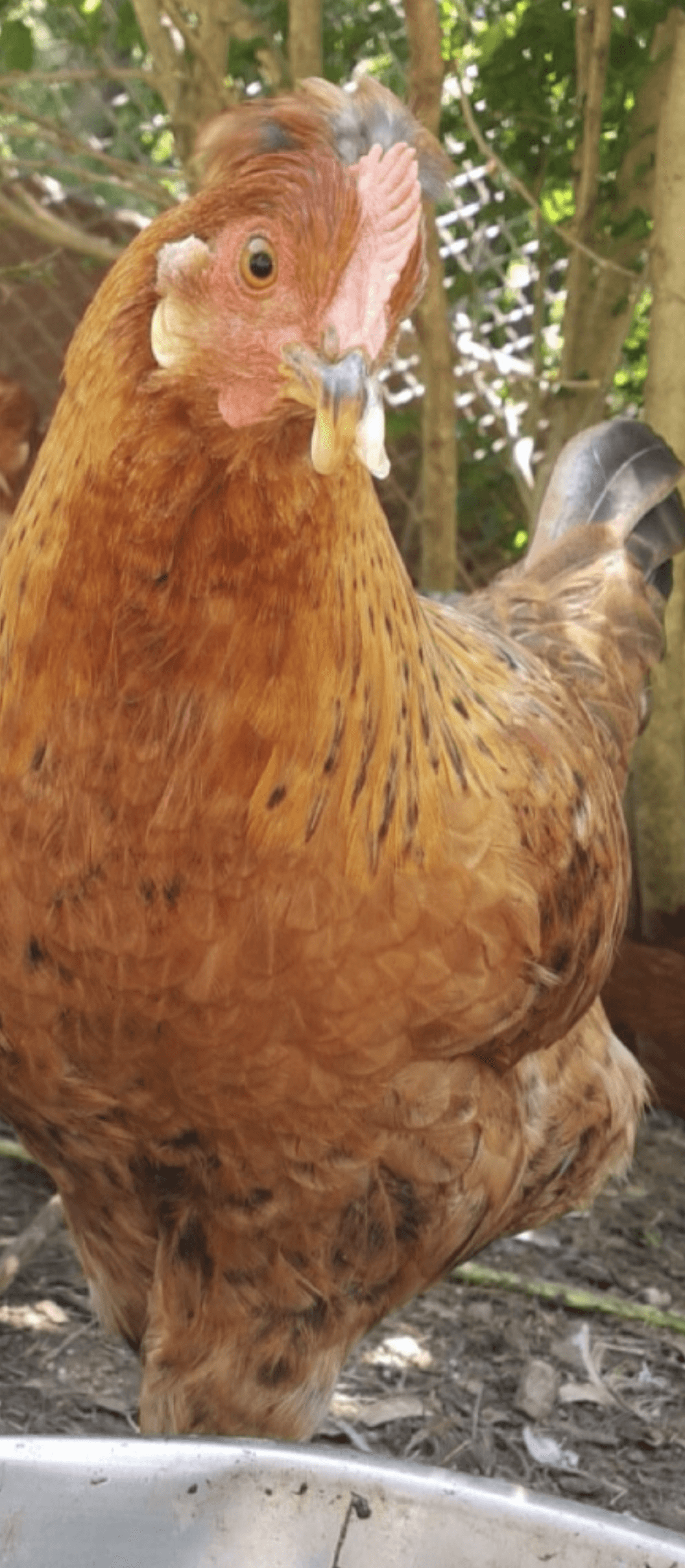
Blue Laced Red Wyandotte
“Active juvenile pullet, well integrated”
Blue Laced Red Wyandotte pullet — slate-blue lacing on a rust-red ground, rose comb. Has scissor beak (cross beak): upper and lower mandible are offset but occlude/close fine.
Blue Laced Red Wyandotte pullet from the March 2026 TSC batch (formerly part of 'March juveniles (6)' group).
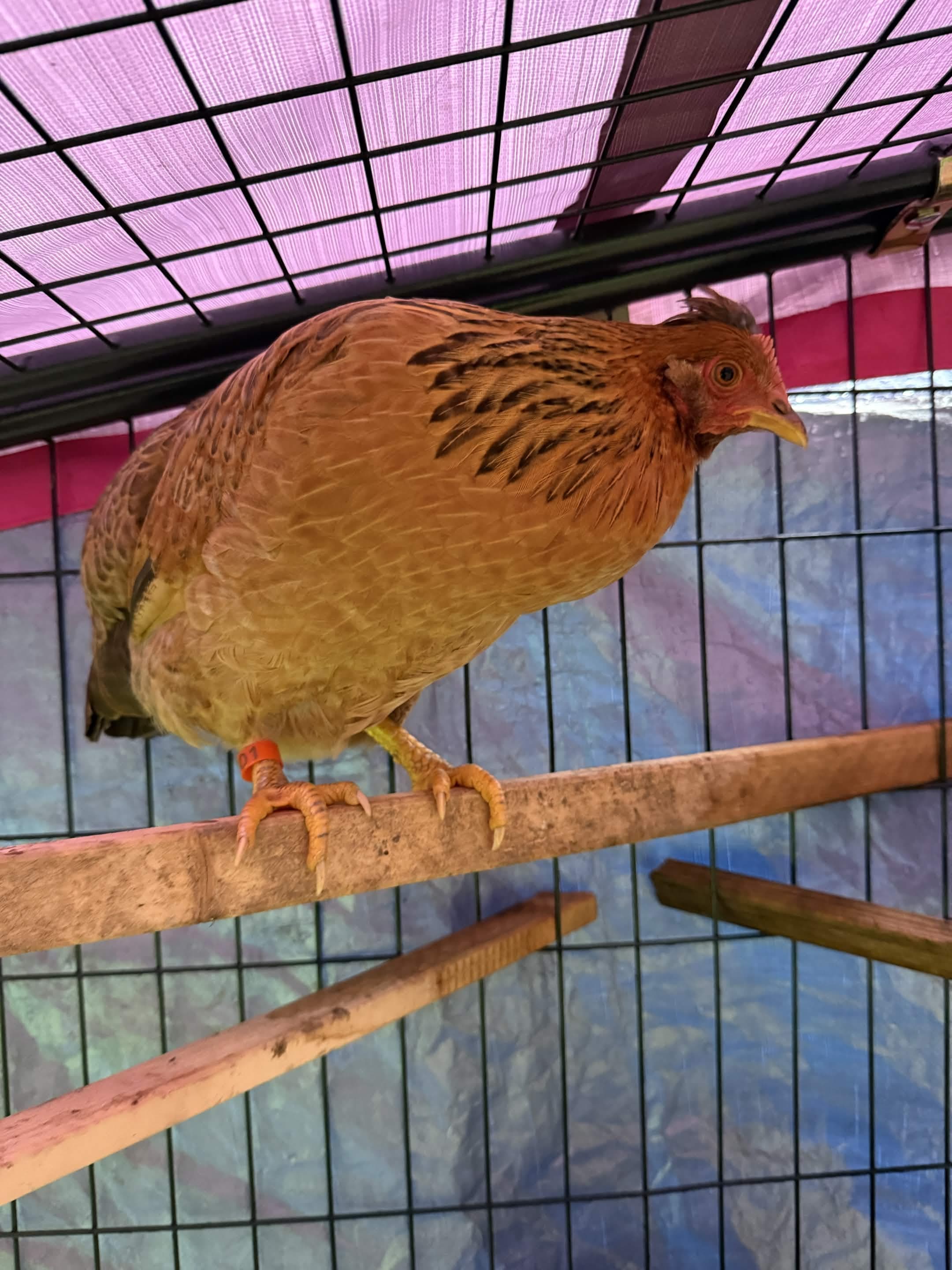
Golden Laced Wyandotte
“Active juvenile pullet, well integrated”
A gold collar across the shoulders in which every feather carries a bold black dagger stripe, sitting between a rust-ginger head and an otherwise plain unmarked warm buff body — that one band of heavy black streaking is the whole pattern on her. Wing tips and the short low-carried tail are dull grey-brown. Full deep-bodied build, cream ear patch, almost no comb showing, a small ragged tuft standing up off the back of the crown. (Colours read from a frame shot under a pink shade tarp — verify in open daylight.)
Gold/Red Laced Wyandotte pullet from the March 2026 TSC batch (formerly part of 'March juveniles (6)' group).
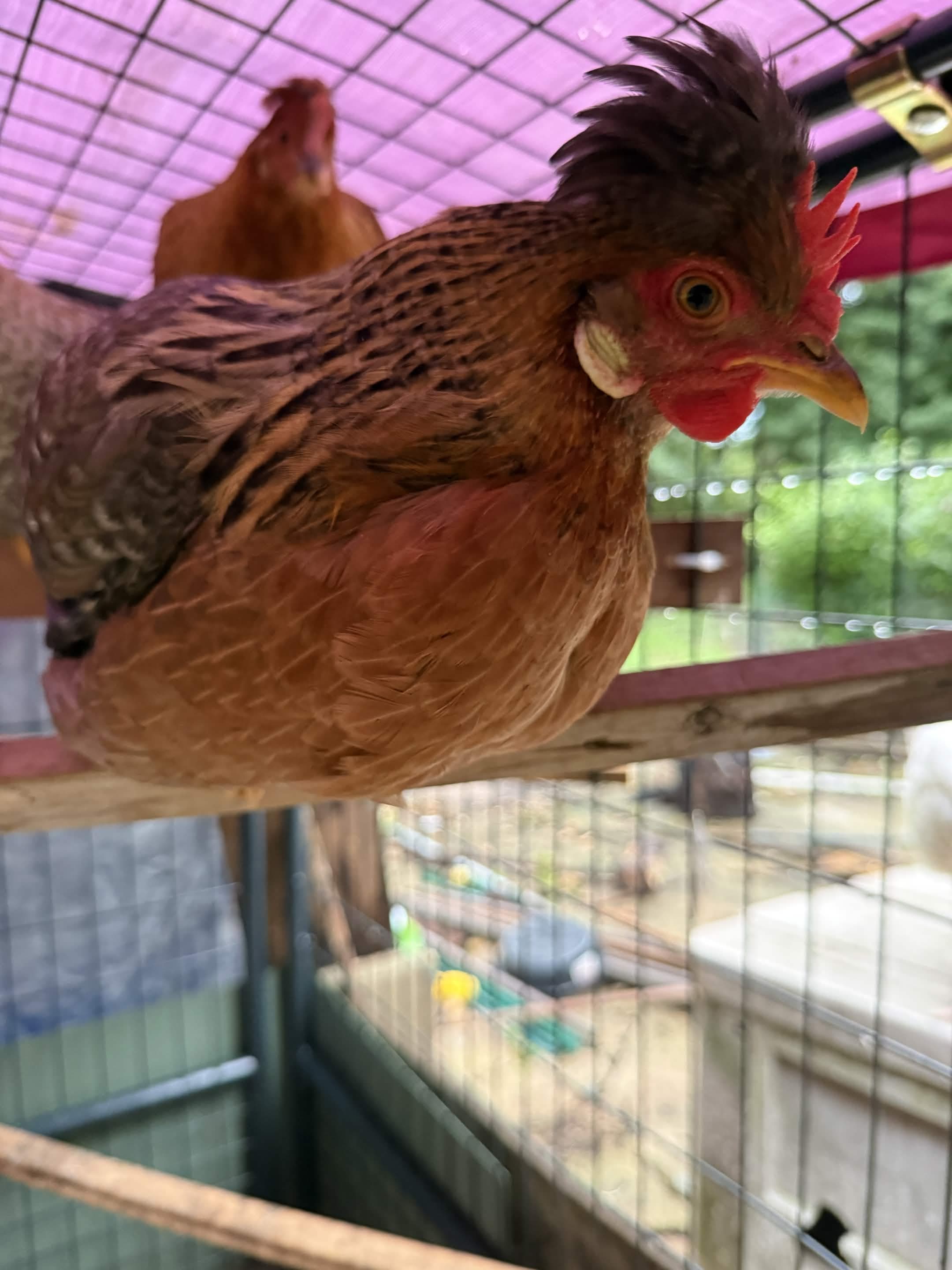
Red/Gold Laced Wyandotte
“Active juvenile pullet, well integrated”
A hard two-tone split down the body: plain unmarked rusty-copper breast and belly running straight into a heavily dark-stippled, peppered brown cape over the back and shoulders. Neck and crown deeper maroon-brown. Bright red face with a conspicuous creamy-white oval earlobe below and behind the eye, upright red comb of about five points. Band is white #6 on the RIGHT leg (a purchased bird).
Red/Gold Laced Wyandotte pullet from the March 2026 TSC batch (formerly part of 'March juveniles (6)' group).
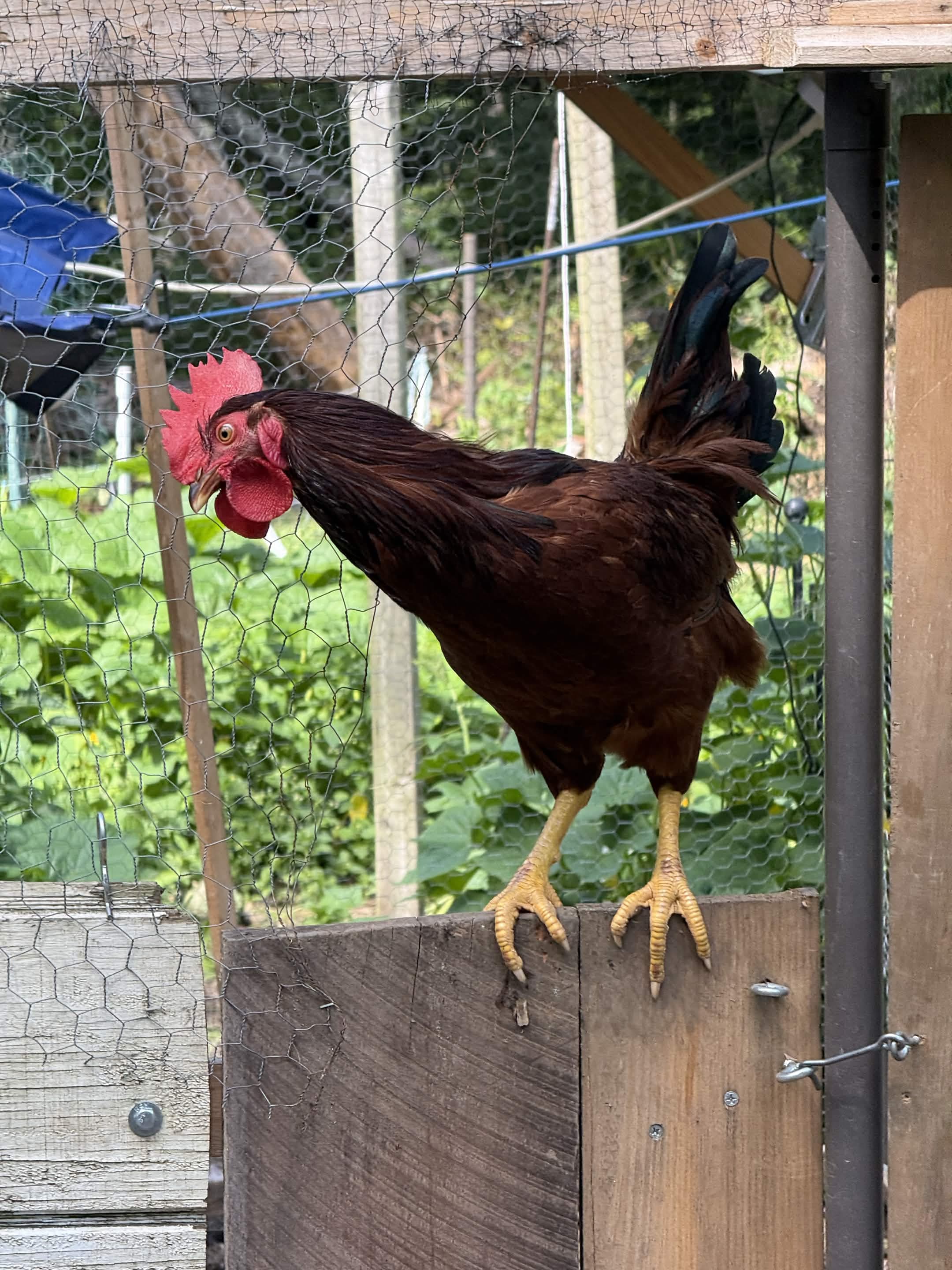
Unknown (dark mahogany-red rooster, single comb, yellow legs)
Deep mahogany-red body plumage with black tail feathers showing a green sheen. Medium upright single red comb, red wattles, yellow legs and feet. No leg band visible.
Acquired from Julia (30-Aug-2026).
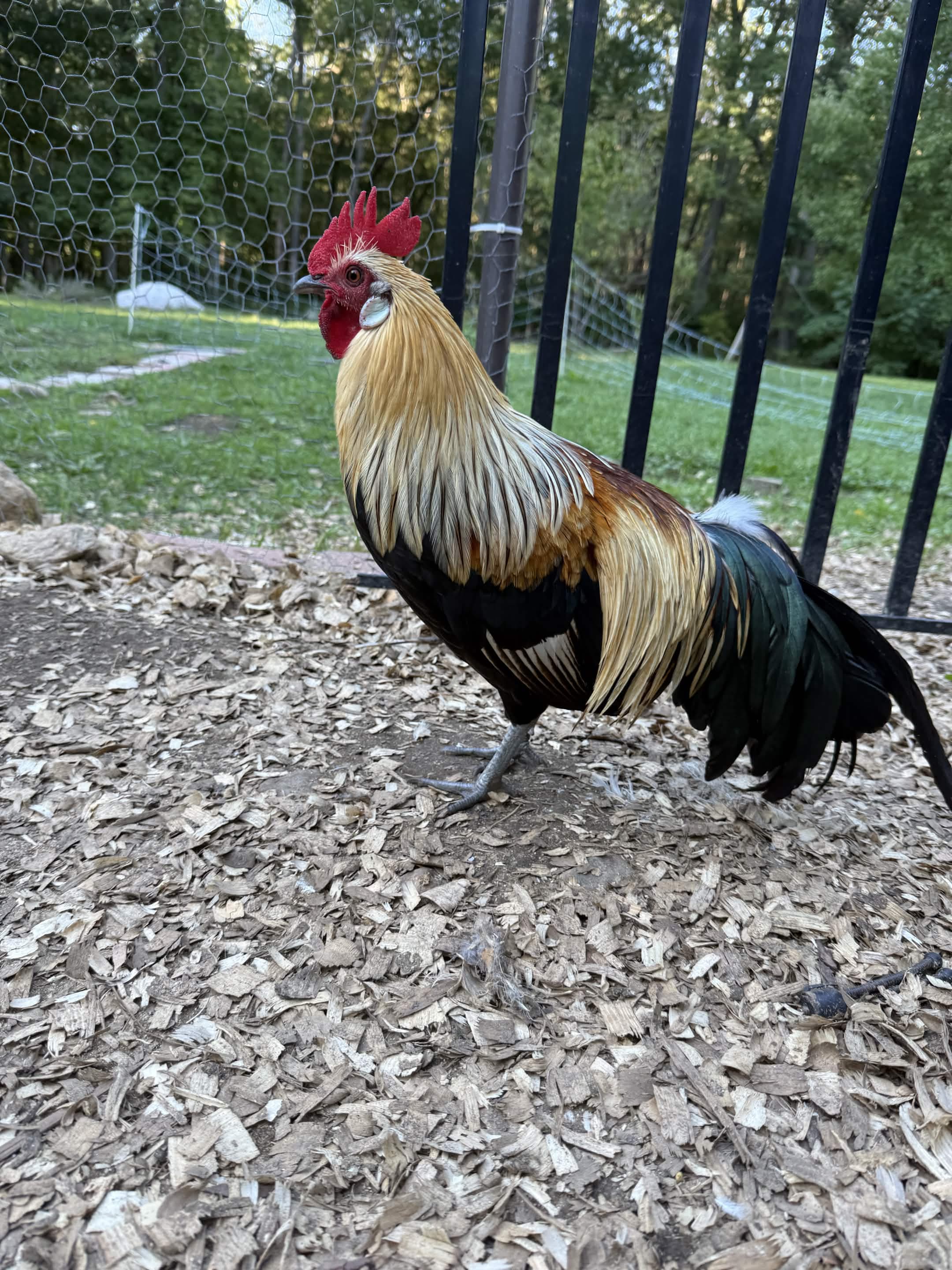
Old English Game (Black-Breasted Red variety, unconfirmed)
Black-Breasted Red Old English Game coloring: golden-straw hackle and saddle feathers, chestnut-red back and wing bows, black breast and belly, iridescent black-green tail. Single red comb, red wattles, slate/grey legs. No leg band visible.
Named Malt Liquor by the Boss (07-Sep-2026).
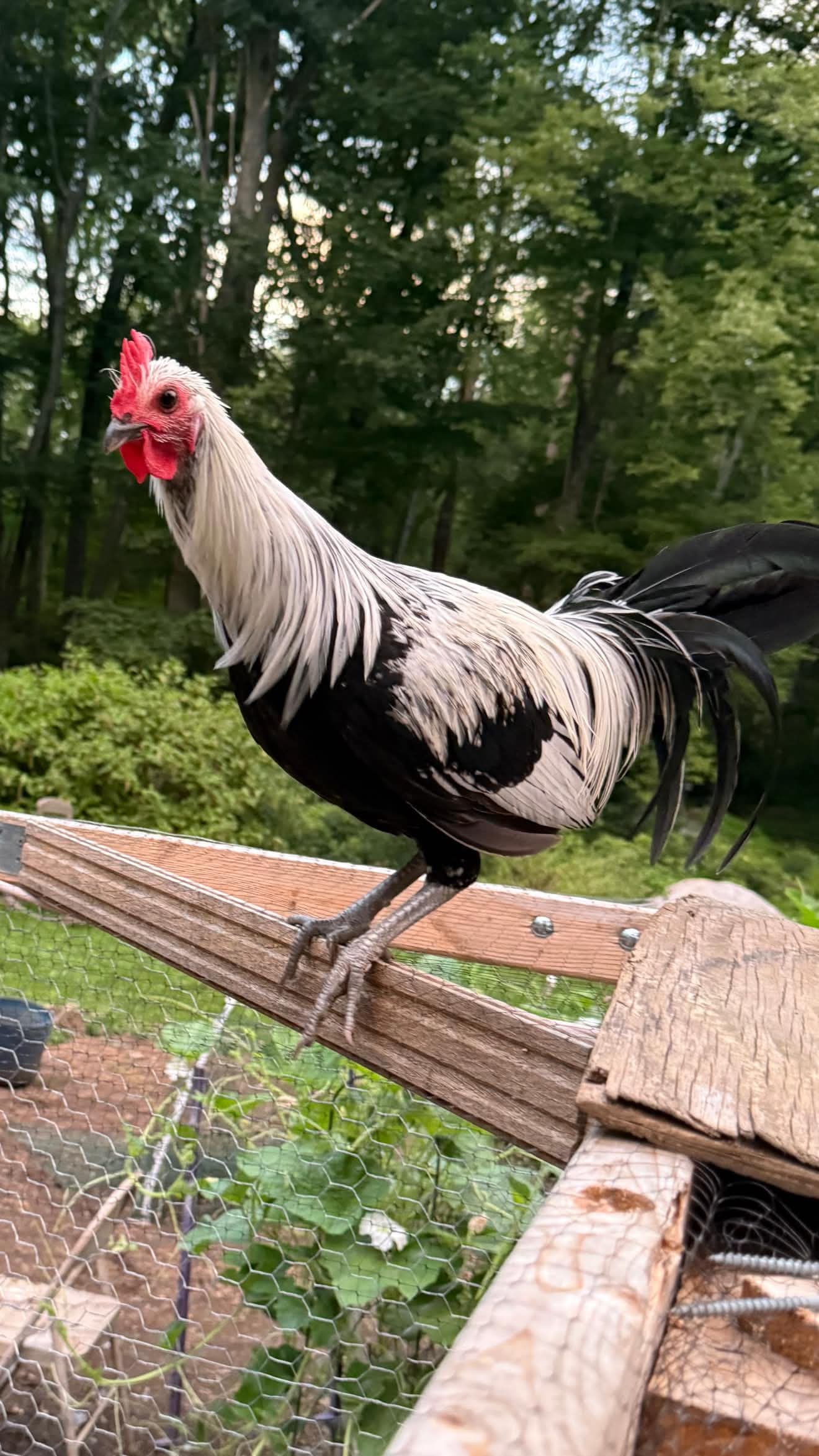
White body with black breast/belly and black tail, red single comb and wattles, slate-grey legs. No leg band visible.
Named Hawk Food by the Boss (07-Sep-2026).
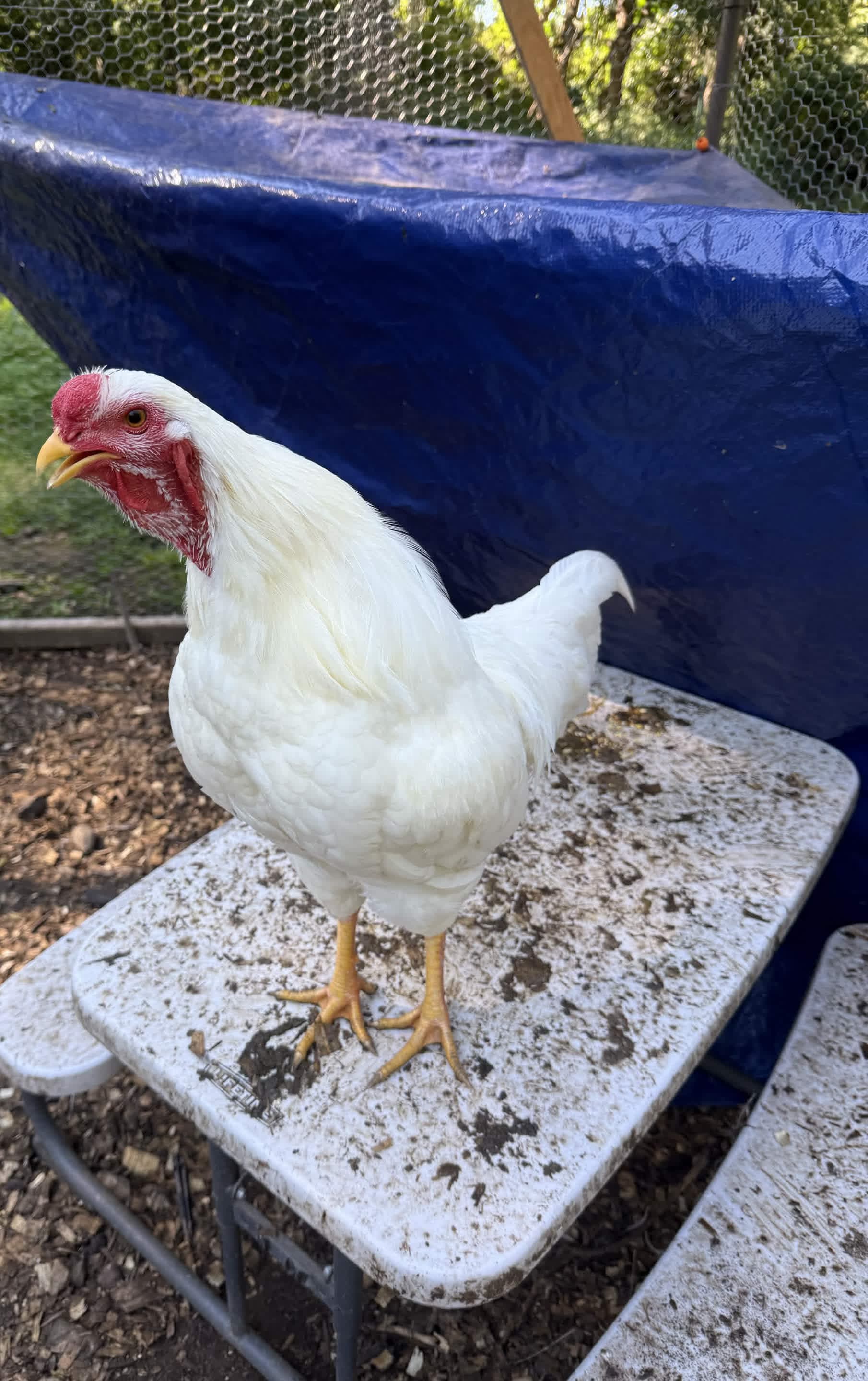
Solid white body plumage, large upright red single comb, red wattles and face, yellow beak and legs.
Named/called "the White Rooster" by the Boss (07-Sep-2026).
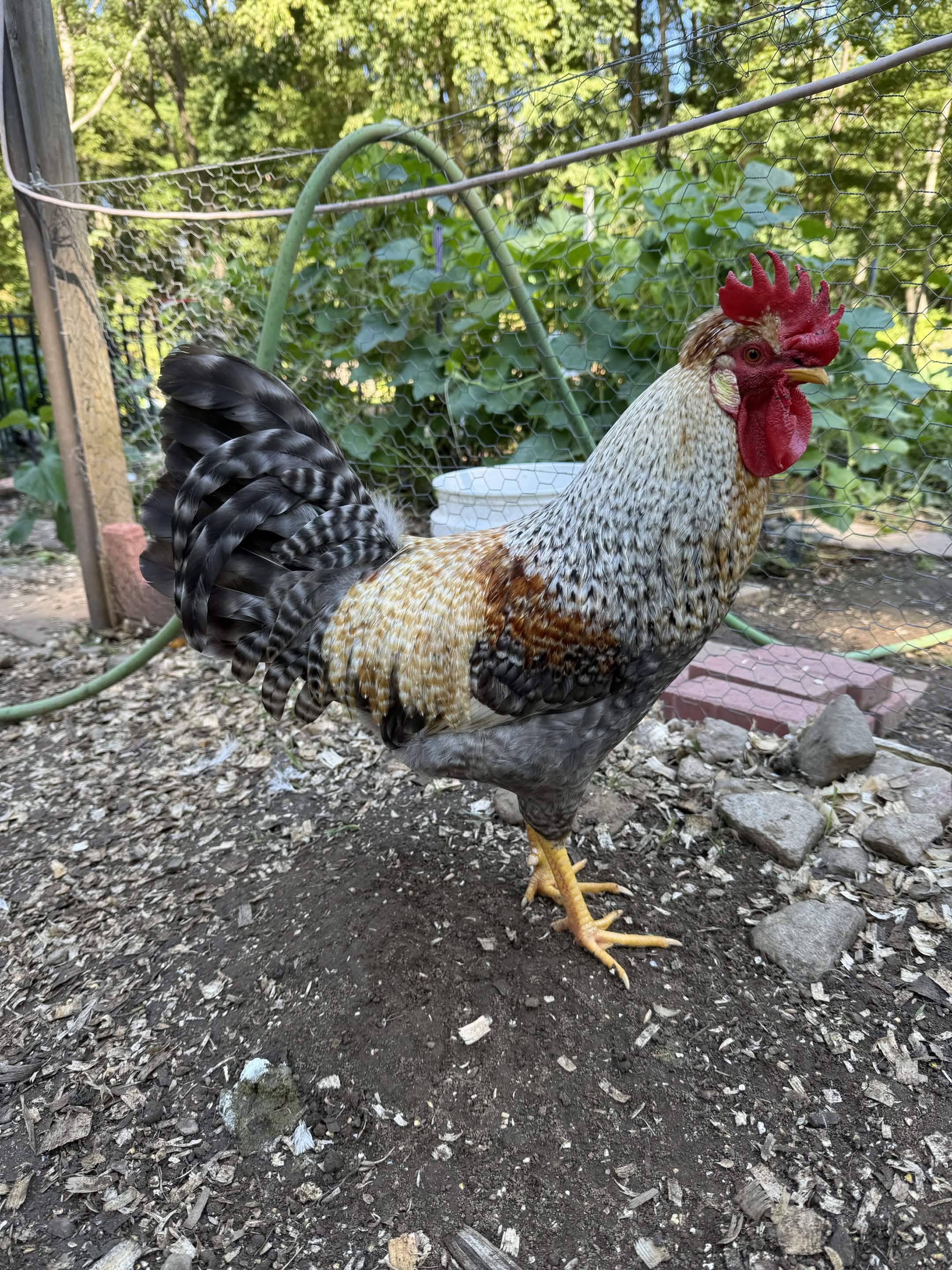
Calico/multicolor patterning: black-speckled silvery-white head and neck, gold/straw and rust saddle feathers, black-and-white barred wing coverts and tail. Bright red single comb, red wattles, yellow legs. No leg band visible.
Named Loud Dumb Bird by the Boss (07-Sep-2026) — this is the "calico rooster" flagged same morning in docs/plans/07-Sep-2026-juvenile-to-rooster-roster-promotion-gap.
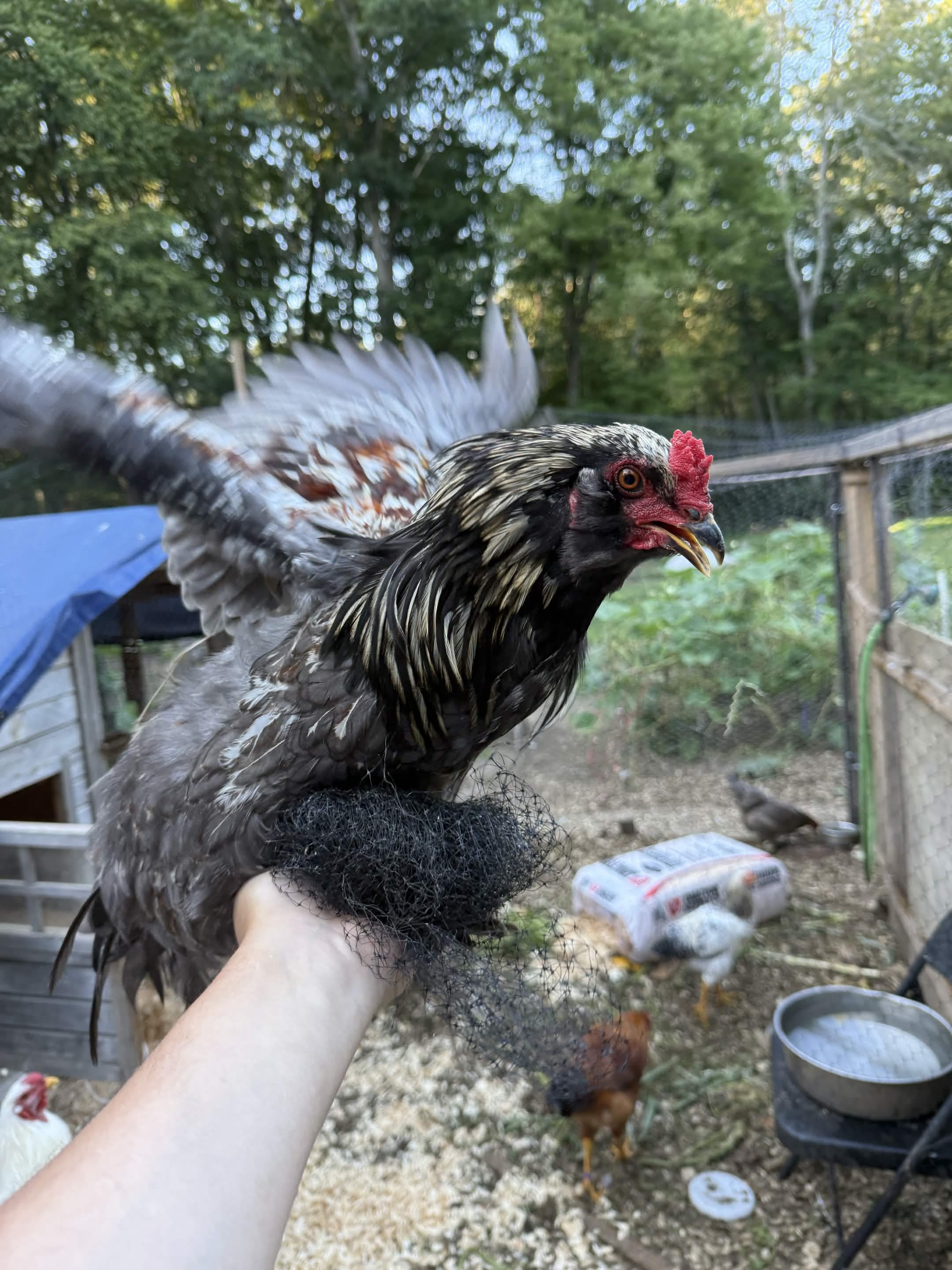
Easter Egger (rooster)
Mottled black and gray body plumage with gold and cream lacing on the neck hackles. Gray wing and tail feathers with rust-brown barring. Bright red single comb, red face and wattles, orange eye, dark beak. No leg band visible.
Named "EE Rooster" by the Boss (11-Sep-2026) — literal name, not a placeholder.
Laying Stock
The Hens
The breeding stock. Easter Eggers, a Wyandotte, and the yearling that hatched on Boss's desk last spring.
Easter Egger
“Friendly, curious”
Dark blue-black slate plumage, single comb
Boss-named; was tracked under the placeholder 'EE hen 1' before her name was confirmed.
Easter Egger × RIR cross
“Friendly, active”
Blue-gray body with golden auburn hackle
Hatched in incubator on boss's desk; dam: Birdsula (formerly 'EE hen 1'), sire: Little Big Red Junior.
Rooster
The Roosters
8 run the yard.
Bantam (breed TBD)
“A favorite of the Boss”
Black cockerel with grayish lacing / scaled feather pattern across the body, a few small white feathers on the head and neck, slate-gray legs.
Boss-named and called out as a FAVORITE 2026-06-18 (#meet-the-lobsters).
Polish (bantam)
“Boss's 'hunchback bantam' — carries a distinctly hunched, rounded-back posture, hence the Quasimodo namesake”
White-crested Polish bantam: big rounded white/cream head pouf, blue-gray (slate) body feathers with darker black lacing, slate-gray legs, yellow beak.
Boss-named 'Quasibirdo, my hunchback bantam' 2026-06-18 (#meet-the-lobsters).
Growth
Unknown (dark mahogany-red rooster, single comb, yellow legs)
Deep mahogany-red body plumage with black tail feathers showing a green sheen. Medium upright single red comb, red wattles, yellow legs and feet. No leg band visible.
Acquired from Julia (30-Aug-2026).
Old English Game (Black-Breasted Red variety, unconfirmed)
Black-Breasted Red Old English Game coloring: golden-straw hackle and saddle feathers, chestnut-red back and wing bows, black breast and belly, iridescent black-green tail. Single red comb, red wattles, slate/grey legs. No leg band visible.
Named Malt Liquor by the Boss (07-Sep-2026).
White body with black breast/belly and black tail, red single comb and wattles, slate-grey legs. No leg band visible.
Named Hawk Food by the Boss (07-Sep-2026).
Solid white body plumage, large upright red single comb, red wattles and face, yellow beak and legs.
Named/called "the White Rooster" by the Boss (07-Sep-2026).
Calico/multicolor patterning: black-speckled silvery-white head and neck, gold/straw and rust saddle feathers, black-and-white barred wing coverts and tail. Bright red single comb, red wattles, yellow legs. No leg band visible.
Named Loud Dumb Bird by the Boss (07-Sep-2026) — this is the "calico rooster" flagged same morning in docs/plans/07-Sep-2026-juvenile-to-rooster-roster-promotion-gap.
Easter Egger (rooster)
Mottled black and gray body plumage with gold and cream lacing on the neck hackles. Gray wing and tail feathers with rust-brown barring. Bright red single comb, red face and wattles, orange eye, dark beak. No leg band visible.
Named "EE Rooster" by the Boss (11-Sep-2026) — literal name, not a placeholder.
Breeds
Breed Notes
What each breed brings to the flock.
Rhode Island Red
American breed known for reliable egg production and hardiness. Medium-sized birds with deep red plumage and red-brown eyes.
Egg Color
Brown to dark brown
Annual Eggs
250
Temperament
Friendly but independent, good foragers
Cold Hardiness
Excellent — large comb can be susceptible to frostbite, but otherwise very hardy
Speckled Sussex
British breed with distinctive mahogany and white speckled plumage. Curious, active foragers with excellent table manners (quiet compared to other breeds).
Egg Color
Tan to light brown
Annual Eggs
240
Temperament
Docile, curious, excellent foragers, friendly to humans
Cold Hardiness
Good — medium comb, adapts well to cold
Golden Laced Wyandotte
American breed with beautiful gold and black laced plumage. Compact, muscular birds with rose combs (frost-resistant) and yellow legs.
Egg Color
Brown
Annual Eggs
200-220
Temperament
Hardy, independent, can be broody, broody hens are excellent mothers
Cold Hardiness
Excellent — rose comb is frost-resistant, compact body, ideal for cold climates
Easter Egger
Not a standard breed but a hybrid type that lays colored eggs (blue, green, or pink). Variable plumage; typically have ear tufts or muffs and beards.
Egg Color
Blue, green, or pink (highly variable)
Annual Eggs
200-280
Temperament
Generally friendly, curious, good foragers
Cold Hardiness
Good — varies by individual genetics
White Rock
American breed with white plumage and yellow legs. Large, friendly birds originally bred for meat production. Commonly crossed with other breeds.
Egg Color
Brown
Annual Eggs
200-220
Temperament
Friendly, calm, excellent mothers (when broody), good foragers
Cold Hardiness
Good — large comb can be susceptible to frostbite
Black Australorp
Australian breed with glossy black plumage with a green sheen. Medium-sized, docile birds known for excellent egg production.
Egg Color
Brown (often large)
Annual Eggs
250-300
Temperament
Docile, friendly, good mothers (broody), excellent foragers
Cold Hardiness
Good — moderate comb, handles cold well
Easter Egger × Rhode Island Red Cross
Hybrid offspring combining Easter Egger's colored-egg genetics with RIR vigor. Inherits blue-egg production from EE parent and reliability from RIR.
Egg Color
Blue
Annual Eggs
240-260
Temperament
Friendly, curious, good foragers, benefits from hybrid vigor
Cold Hardiness
Excellent — inherits RIR hardiness
White Broad-Breasted Turkey
The standard commercial turkey breed. Fast-growing, broad-chested birds raised primarily for meat. White plumage makes for clean processing.
Egg Color
Cream to light brown (seasonal)
Annual Eggs
50-80
Temperament
Curious, social, can imprint on handlers when raised from poults
Cold Hardiness
Moderate — need shelter from wind and wet, but tolerate cold if dry
Brahma
Large, heavily feathered breed known as the 'King of Chickens.' Broad body, feathered feet, pea comb. Originally bred for meat but makes a calm dual-purpose bird.
Egg Color
Brown (medium to large)
Annual Eggs
150-200
Temperament
Calm, docile, cold-hardy, slow to mature
Cold Hardiness
Excellent — pea comb resists frostbite, heavy feathering insulates well, bred for northern climates
Bronze Broad-Breasted Turkey
Large commercial turkey breed with iridescent bronze plumage. Heavier and darker than the White Broad-Breasted variety; raised primarily for meat with striking traditional appearance.
Egg Color
Cream to light brown (seasonal)
Annual Eggs
50-80
Temperament
Curious, social, can imprint on handlers when raised from poults
Cold Hardiness
Moderate — need shelter from wind and wet, but tolerate cold if dry
Barred Plymouth Rock
American breed with distinctive black-and-white horizontal barring. Hardy dual-purpose chicken, friendly and reliable layer of brown eggs.
Egg Color
Brown
Annual Eggs
200-280
Temperament
Calm, friendly, good foragers, tolerant of confinement
Cold Hardiness
Excellent — handles cold New England winters well
Plymouth Rock (variety TBD)
American Plymouth Rock breed, exact variety to be confirmed as the chicks feather out. Plymouth Rock varieties include Barred, White, Buff, Silver Penciled, Partridge, Columbian, Blue, and Speckled (Mottled).
Egg Color
Brown
Annual Eggs
200-280
Temperament
Calm, friendly, good foragers, tolerant of confinement
Cold Hardiness
Excellent — handles cold New England winters well
Cream Legbar
British autosexing breed developed in the 1930s by crossing Brown Leghorns, Barred Plymouth Rocks, and Araucanas. Crested with a distinctive head tuft. Known for blue/green eggs and chicks that can be sexed by down pattern at hatch.
Egg Color
Blue to blue-green
Annual Eggs
180-200
Temperament
Active, alert, good foragers, friendly but flighty
Cold Hardiness
Good — moderate single comb, copes with cold if dry
Blue Laced Red Wyandotte
Wyandotte variety with deep red ground color and blue (slate-gray) lacing on each feather. Same compact rose-comb body as the Golden and Silver Laced Wyandottes — bred for cold climates and reliable winter laying.
Egg Color
Brown
Annual Eggs
200-220
Temperament
Hardy, independent, calm, can go broody
Cold Hardiness
Excellent — rose comb resists frostbite, compact muscular body
Buff Ranger
Buff/golden free-range meat hybrid — a 'Ranger'-type broiler in the Freedom/Red Ranger family. Heavy-bodied, fast-growing, and an active forager, bred for pasture-raised meat as a slower-growing, hardier alternative to the industrial Cornish Cross.
Egg Color
Brown (if kept on to lay; primarily a meat bird, not a production layer)
Annual Eggs
150-200 (kept hens only; not bred for laying)
Temperament
Active, robust, voracious foragers — Boss calls them 'monstrous little eating machines'
Cold Hardiness
Good — hardy hybrid, but the heavy meat frame needs clean dry bedding and benefits from shelter
Bantam (breed TBD)
Bantam is a size class, not a single breed — a miniature chicken, typically a quarter to a third the size of a standard fowl. The farm's bantams trace to the Cackle Hatchery exotic/rare assortment (08-April-2026 arrival), so exact breeds are still resolving as they feather out. Possible bantam types in that batch include Cubalaya, Phoenix, Sumatra, Yokohama, Cochin, and Polish.
Egg Color
Varies by breed (small eggs)
Annual Eggs
Varies — generally fewer and smaller than standard fowl (often 100-180)
Temperament
Varies by breed — often active, alert, characterful; many are good flyers and tight broodies
Cold Hardiness
Varies — small bodies lose heat faster, so reliable dry shelter matters in New England winters
Polish (bantam)
Crested ornamental breed, instantly recognized by the big rounded pouf of feathers on the head, which grows from a bony knob on the skull. Comes in standard and bantam sizes; the farm's is a bantam. Plumage varieties include White-Crested Black/Blue, Silver/Golden Laced, and Splash. More of a show-and-pet bird than a production layer.
Egg Color
White (small)
Annual Eggs
150-200 (small white eggs; not a heavy layer)
Temperament
Docile and people-friendly, but can be flighty or startle easily because the crest blocks their vision
Cold Hardiness
Fair — the crest soaks up water and can freeze, so dry shelter matters; the small comb is low frostbite risk, but a wet crest is the real cold-weather concern